Post by : Abhinav
Rana
Photo : X / Scott Walters
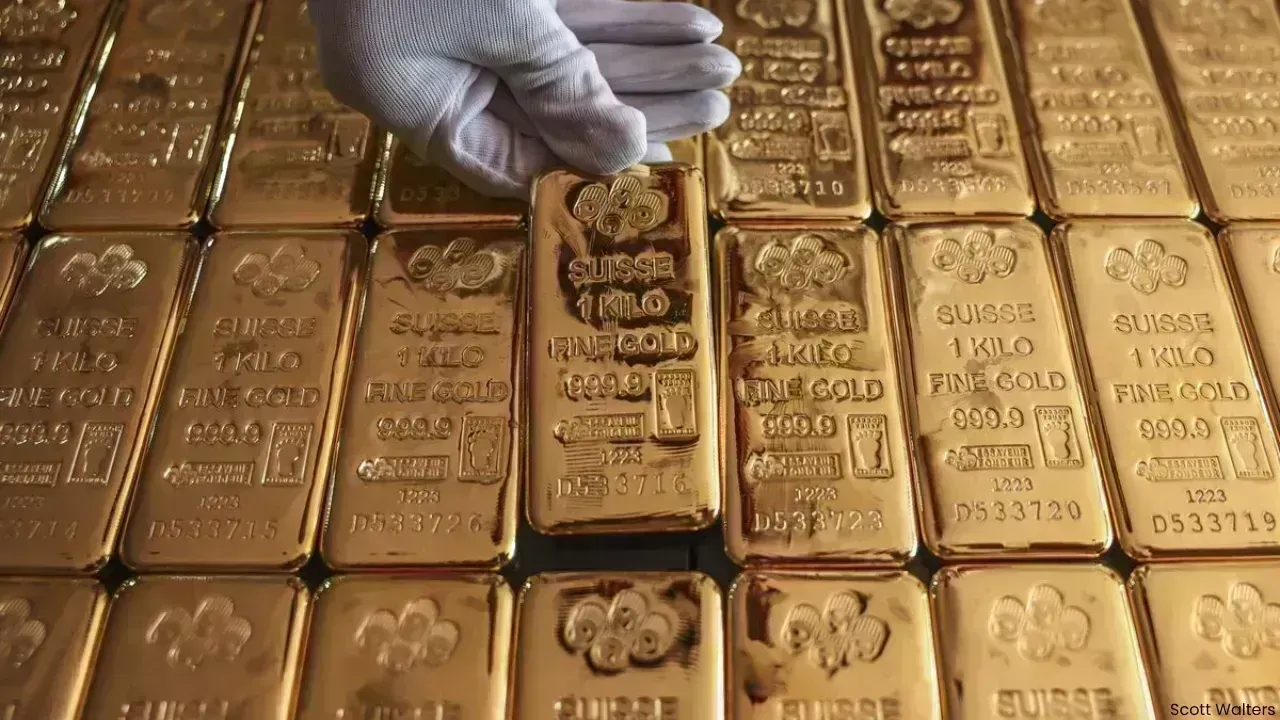
Dubai’s gold market has staged a notable rebound after two consecutive days of decline, signaling a renewed wave of investor confidence as geopolitical tensions in the Middle East show signs of easing. In a region where gold is not just a commodity but a cultural and economic cornerstone, even slight movements in price trends carry significant weight. The recent uptick reflects a delicate balance between risk sentiment and cautious optimism, as global markets respond to shifting signals around the ongoing Iran conflict and potential diplomatic engagement.
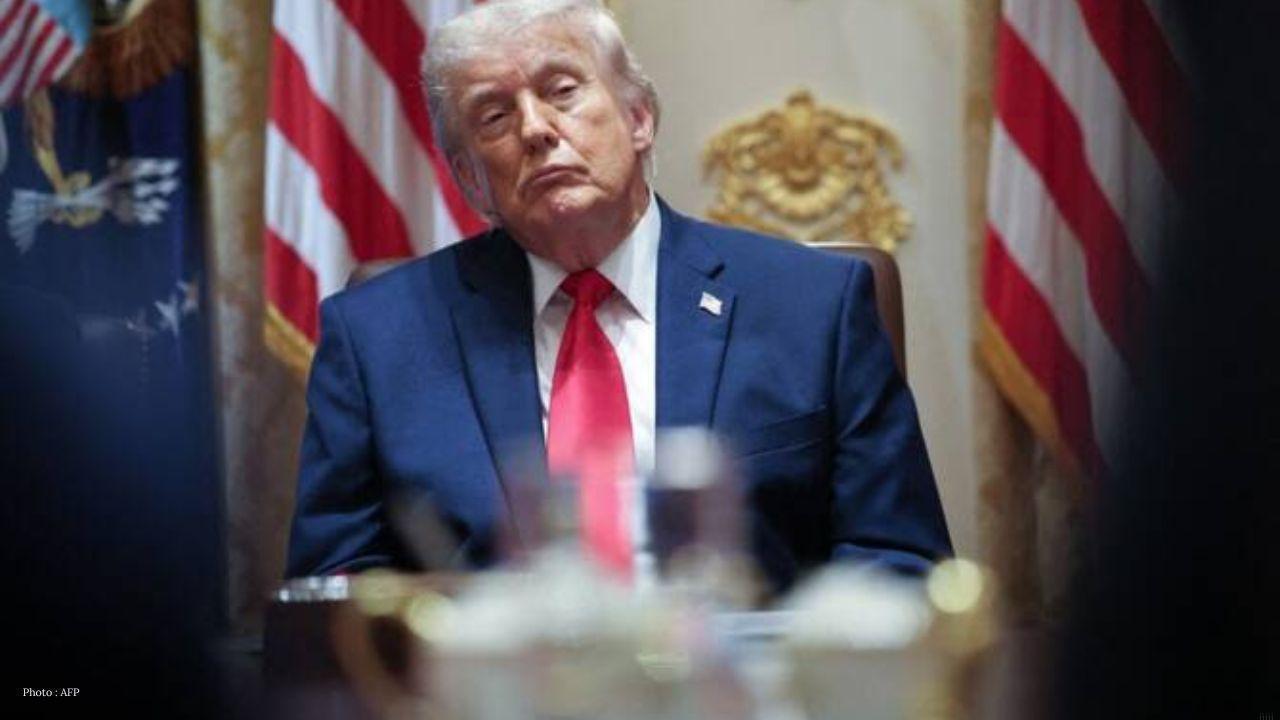
The rebound in gold prices comes at a time when broader market indicators are pointing toward reduced immediate risk. Oil prices have softened amid growing expectations of dialogue between the United States and Iran, easing inflation concerns and stabilizing investor sentiment . As a traditional safe-haven asset, gold typically thrives during uncertainty but it also reacts strongly to shifts in macroeconomic conditions such as currency movements and energy prices.
A weaker U.S. dollar has further supported gold’s upward movement, making it more attractive to international buyers. This combination of easing oil prices, softer currency dynamics, and lingering geopolitical uncertainty has created the perfect environment for gold to recover from its recent dip, particularly in major trading hubs like Dubai.
Dubai remains one of the world’s most important gold trading centers, acting as a critical bridge between markets in Asia, Europe, and Africa. However, recent geopolitical tensions have disrupted traditional trading flows, with air travel constraints and logistics challenges impacting the movement of bullion across regions .
Despite these disruptions, the city’s gold market has shown remarkable resilience. The rebound in prices highlights how quickly sentiment can shift in such a dynamic environment, especially when global investors recalibrate their expectations based on evolving geopolitical developments. Dubai’s ability to maintain liquidity and trading momentum under pressure reinforces its status as a key node in the global commodities network.
The movement of gold is closely tied to global transportation systems, particularly air cargo networks that handle high-value commodities. Recent tensions in the Middle East have already caused flight disruptions and increased insurance costs, affecting not only gold shipments but also broader logistics operations.
For the transportation and supply chain sectors, this situation underscores the fragility of global trade routes in times of geopolitical stress. As tensions ease, the gradual normalization of transport flows could further support gold markets by restoring supply chain efficiency. Conversely, any renewed escalation could once again disrupt logistics, pushing prices into more volatile territory.
This interconnected dynamic between commodities and transportation highlights a key trend: global mobility systems are increasingly influenced by geopolitical developments, making adaptability a critical factor for industry stakeholders.
Gold’s recent rebound also reflects a broader shift in investor psychology. While the easing of tensions has reduced immediate panic, uncertainty remains a defining feature of the current market landscape. Investors are navigating a complex environment where short-term optimism coexists with long-term caution.
Central banks and institutional investors continue to view gold as a hedge against geopolitical instability, a trend that has strengthened amid rising global uncertainties. This sustained demand provides a strong foundation for gold prices, even as short-term fluctuations occur in response to market news and economic indicators.
As the Middle East situation evolves, Dubai’s gold market is likely to remain highly sensitive to geopolitical and economic signals. The recent rebound may signal the beginning of a more stable phase, but volatility is expected to persist as markets react to every development in the region.
For industries linked to transportation, logistics, and global trade, the implications are clear: resilience and flexibility will be key to navigating this uncertain landscape. The interplay between geopolitical events, commodity markets, and mobility systems will continue to shape the trajectory of global commerce.
In the bigger picture, Dubai’s gold resurgence is more than a market correction.It is a reflection of how quickly global sentiment can shift, and how deeply interconnected the world’s economic systems have become in an era defined by both risk and opportunity.


 English