Post by : Sami
Al-Rahmani
Image Source: Google
Minimalist Design: Google Launches Fitbit Air and New Health Application
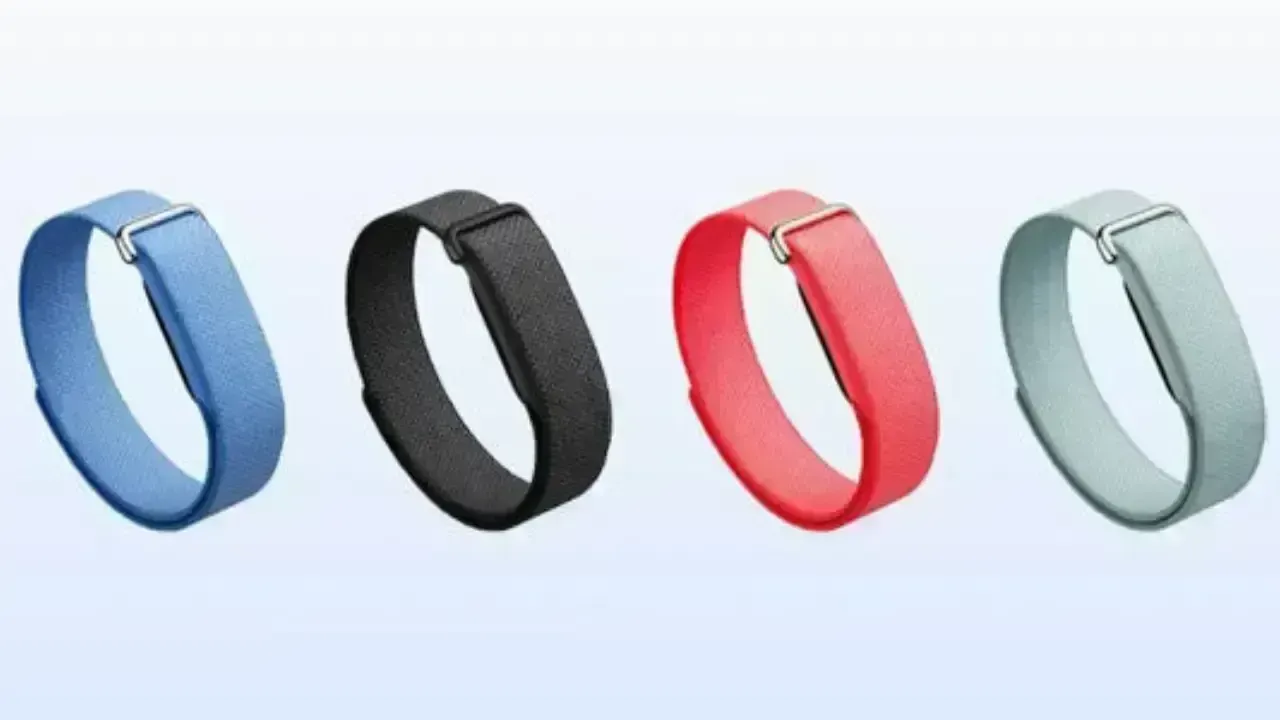
Google has expanded its wearable range with the launch of the Fitbit Air, a screenless fitness device designed for those seeking streamlined health tracking without digital distractions. Alongside this launch, the company introduced a revamped Health app, aimed at integrating fitness, sleep, heart health, and wellness insights into a single platform.
This launch is part of a growing trend among tech users, who increasingly favor simpler technologies that nurture healthier digital habits, steering clear of constant notifications.
Understanding Fitbit Air
The Fitbit Air is designed to be ultra-lightweight, prioritizing passive health tracking over app notifications.
Unlike conventional smartwatches, the Fitbit Air lacks a large interactive display, aiming to quietly gather health data while minimizing screen usage.
According to the company, Fitbit Air is tailored for users who desire:
- Distraction-free fitness tracking
- Extended battery life
- Minimalistic design
- Enhanced focus and digital balance
- Simple health tracking
This product seems directed at users feeling inundated by notifications from their smartphones and smartwatches.
Shifting Perspectives on Wearable Tech
Many smartwatches are designed for multitasking, from receiving calls to alerting users to social media updates. However, more users are expressing concerns regarding digital overstimulation and fatigue.
Fitbit Air embodies a "less-is-more" philosophy, favoring:
- Sleep monitoring
- Heart rate analysis
- Activity logging
- Stress assessments
- Recovery insights
The aim is clearly to support healthier living without the continual interruptions typical of modern technology.
The New Google Health App
In conjunction with the Fitbit Air, Google Health launched an enhanced health application that compiles data from fitness, sleep, workouts, heart health, and wellness into a unified dashboard.
This app leverages artificial intelligence to deliver tailored wellness insights and recommendations based on user behavior and activity.
Key features include:
- Central health dashboard
- AI-driven wellness suggestions
- Insights on sleep and recovery
- Fitness goal monitoring
- Heart health tracking
- Stress management resources
The app is tailored to simplify health data comprehension for everyday users.
Prioritizing Mental Wellness and Digital Balance
One of the launch's central focuses is digital wellness.
As technology firms increasingly recognize concerns about excessive notification flow and screen addiction, Fitbit Air directly tackles this by providing health insights devoid of traditional smartwatch distractions.
Experts believe this approach will resonate with users who:
- Seek fewer interruptions
- Prefer uncomplicated devices
- Prioritize mindfulness and mental health
- Need health tracking minus constant alerts
Global interest in minimalist wearables is rising, as users seek healthier technology interactions.
Potential for Longer Battery Life
Reports indicate that Fitbit Air might offer significantly longer battery life, thanks to its absence of a large display.
Battery life is often a primary concern for wearable users, especially those who dislike daily charging. A screenless design generally consumes less power, making Fitbit Air appealing for consistent tracking.
Evolution of Wearable Competition
The launch spotlights the evolving landscape of the wearable technology market.
Previously, devices competed by introducing more features and larger screens; now, the trend appears to be shifting toward simpler devices emphasizing focus and wellness.
With Fitbit Air, Google positions itself among wellness-oriented wearables that emphasize recovery tracking and distraction-free experiences, moving away from traditional smartwatch functionalities.
Privacy and Health Data Concerns
As always in health technology, data privacy issues will remain a significant concern.
Users are likely to have questions regarding:
- Storage of health data
- Privacy of AI-generated insights
- Protection of personal health information
- Data sharing practices across devices
Google has previously underscored its commitment to health data privacy, and experts predict that transparency regarding data usage will remain paramount as wearable AI continues to develop.
The Fitbit Air and the revamped Google Health platform indicate a significant transformation in the future of wearable technology.
Rather than adding distractions, the current focus is on delivering streamlined experiences, passive health monitoring, and fostering healthier digital habits. For those weary of constant notifications and screen fatigue, Fitbit Air could symbolize a progressive shift in personal tech.
As health-centric AI and wearable devices advance, the future of fitness tracking may transition from screen dependency to achieving balance.
Disclaimer
This article relies on official announcements and publicly available product details. Feature availability and specifications may vary based on region and future software enhancements.


 English