Post by : Anis
Al-Rashid
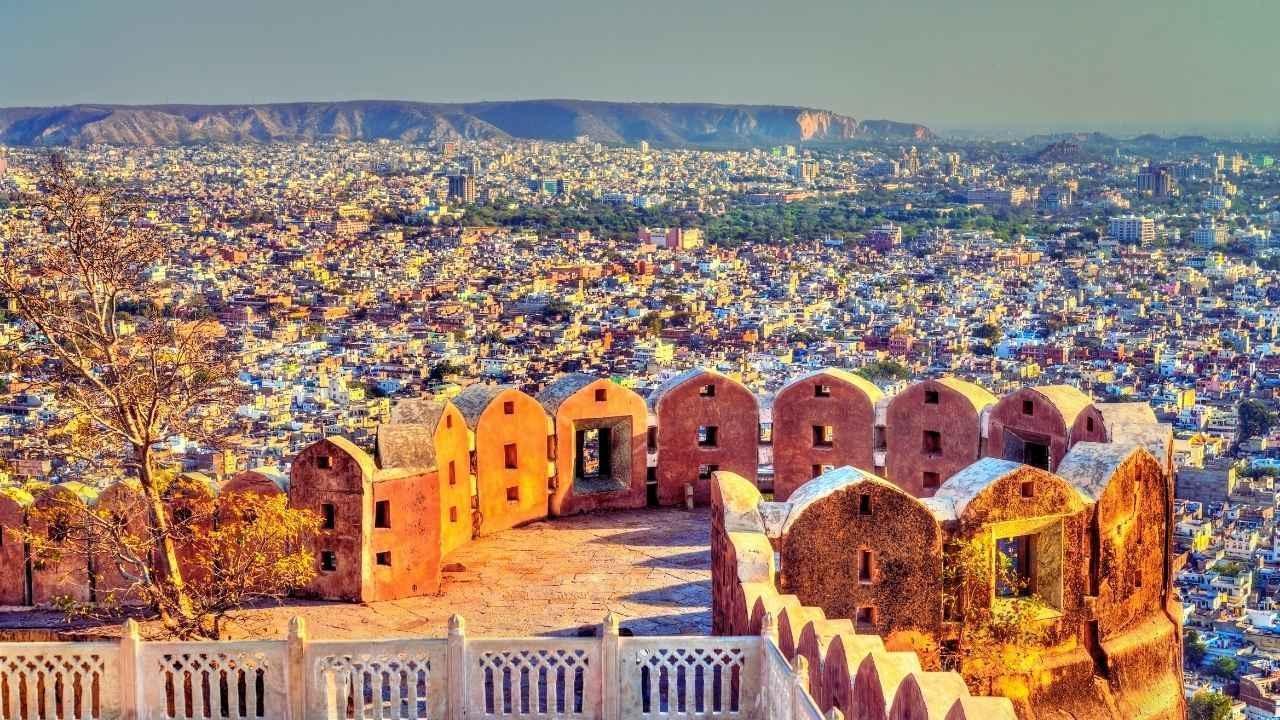
Rajasthan is renowned for its majestic forts, bustling markets, and panoramic desert views. Most visitors flock to cities like Jaipur, Jodhpur, Udaipur, Jaisalmer, and Pushkar, which are truly iconic. Yet, the true essence of Rajasthan often resides in its quieter spots: charming villages, ancient stepwells, faded fresco towns, and secluded forts that reveal mesmerizing stories without the crowds.
This quieter version of Rajasthan provides a unique experience. Imagine wandering through abandoned stepwells echoing stillness, exploring havelis adorned with intricate artworks, discovering craft villages filled with traditional practices, and sharing genuine conversations with locals. Here, the journey becomes about savoring moments rather than ticking off destinations.
This guide spotlights the offbeat attractions of Rajasthan, suggesting routes and experiences that encourage thoughtful and unhurried travel.
Why Seek Offbeat Rajasthan?
The tranquil areas of Rajasthan offer distinct experiences not found in busy tourist spots.
Authentic Local Encounters
In less commercialized locales, you’ll meet artisans, storytellers, and village families sharing authentic insights about heritage and identity.
Architectural Wonders Without Distraction
Stepwells, frescoes, cenotaphs, and forgotten districts are often void of crowds, allowing for peaceful exploration.
Slow, Engaging Travel
No chaos. No long lines. No hurry. It provides you with the space to deeply appreciate local culture, geography, and ambiance.
Insight into Culture
You can engage closely with folk arts, handloom crafts, nomadic lifestyles, and the intricate details of miniature paintings.
Comprehension of History
Each stepwell, haveli, doorway, and carved archway unfolds genuine tales of trade, conflict, migration, and artistic epochs.
Stepwells: Rajasthan’s Silent Architectural Gems
Rajasthan’s stepwells stand out as remarkable examples of India’s water management and subterranean engineering. Many travelers overlook them, yet they embody the region's atmospheric beauty.
Chand Baori, Abhaneri
Known as one of the deepest and most symmetrical stepwells in India.
Highlights:
Best enjoyed alongside a visit to the nearby Harshat Mata Temple.
Neemrana Stepwells
Located near the popular Neemrana Fort, these steps are less frequented. Some even extend dramatically underground.
Highlights:
-
Terraced formations
-
Secluded viewpoints
-
Photogenic nooks
Bundi Stepwells (Baoris)
Bundi is renowned for having over 50 historical baoris.
Key sites:
-
Raniji ki Baori
-
Dabhai Kund
These structures exemplify architectural elegance and water conservation history.
The Significance of Stepwells for Slow Travel
They encourage a slower pace: navigate the steps, observe ornate carvings, grasp the history of water scarcity, and reflect on past community life.
Fresco Towns: Rajasthan’s Artistic Treasures
The Shekhawati region of Rajasthan is often dubbed the largest open-air art gallery globally, with its havelis adorned in meticulous frescoes depicting timeless narratives and historical events.
Mandawa
A key entry point to Shekhawati.
Highlights:
-
Stately havelis with fading frescoes
-
Narrow streets embellished with art
-
Charming boutique accommodations
Nawalgarh
Features some of the best-preserved frescoes.
Must-see havelis:
-
Poddar Haveli
-
Morarka Haveli
Ideal for photography and guided artistic tours.
Jhunjhunu
Offers a peaceful ambiance with smaller crowds.
Highlights:
Fatehpur
Perfect for those seeking depth.
Noted for:
Fresco Towns: Ideal for Slow Travel
You’ll spend time strolling from one haveli to the next, engaging with local caretakers, and appreciating details in pigments and motifs that hold deep narratives.
Heritage Villages and Quaint Towns to Discover
Bundi
One of Rajasthan's hidden gems.
Highlights:
-
Bundi Palace featuring stunning murals
-
Garh Palace
-
Taragarh Fort providing scenic views
-
Dozens of baoris
-
Charming bluewashed alleys reminiscent of Jodhpur but much quieter
Khandela
A picturesque town reflecting traditional Shekhawati architecture and old, preserved havelis.
Perfect for cultural immersion and photography.
Banswara
Known as the city of a hundred islands.
Perfect for nature enthusiasts, tribal experiences, and scenic lakes.
Jawai
A habitat for leopards and shepherd lifestyles.
Ideal for wildlife aficionados seeking tranquility.
Barmer
Famous for crafts like embroidery, pottery, carpets, and woodwork.
Spot on for travelers intrigued by handloom culture.
Dholpur
Notable for unique red sandstone architecture and tranquil riverbanks.
Kota’s Lesser-Known Areas
While Kota is famed for its coaching centers today, its heritage includes palaces, river ghats, cenotaphs, and untouched stepwell architecture on the outskirts.
Slow Travel Activities in Offbeat Rajasthan
1. Experience Restored Havelis
Heritage homestays in Shekhawati, Bundi, and Rawla provide insights into royal living while aiding local conservation efforts.
2. Participate in Fresco Painting Workshops
Some havelis offer sessions on creating pigments, utilizing natural dyes, and mastering fresco techniques.
3. Wander Through Ancient Water Systems
Stepwell trails in Bundi and Abhaneri teach about traditional water management.
4. Explore Villages and Farms
Gain a deeper understanding of rural life, crops, cooking traditions, and local customs.
5. Visit Artisan Workshops
Engage with craftsmen specializing in block printing, blue pottery, miniature painting, embroidery, and leatherwork.
6. Enjoy Sunrise and Sunset Walks
Locations like Jawai, Bundi, and Barmer provide stunning desert landscapes perfect for leisurely mornings and evenings.
7. Culinary Trails
Try local delicacies such as bajra roti, churma, gatte ki sabzi, ker-sangri, and traditional sweets cooked in local households.
Optimal Times to Visit Offbeat Rajasthan
-
October to March for comfortable weather
-
July to September for lush greenery during monsoon in Bundi and Shekhawati
-
April and May are suitable only for those acclimated to heat
Summer visits necessitate early morning and late evening explorations.
Embracing Slow Travel in Rajasthan
Extend Your Stay
Instead of rushing across multiple cities, focus on 1–2 locations and delve deeper.
Utilize Local Transport
Auto-rickshaws, buses, and walking can enrich your travel interactions.
Engage with Locals
Caretakers, shop owners, guides, and haveli proprietors often possess invaluable stories to share.
Permit Some Spontaneity
Allow time for meandering, relaxing at a stepwell, or discovering an unseen fresco.
Stay in One Area
Embrace the pace of local life by choosing to stay in one neighborhood rather than hopping between hotels.
Travel Insights for Offbeat Destinations
-
Employ local guides when exploring fresco towns.
-
Keep cash on hand as digital transactions may be limited.
-
Visit stepwells during daytime for safety reasons.
-
Wear comfortable shoes suitable for uneven terrains.
-
Maintain respect for restricted architectural zones.
-
Avoid touching fresco walls; dust from your fingers can hasten deterioration.
-
Opt for homestays with knowledgeable hosts for richer context.
-
Be adaptable with your itinerary as the pace in small towns is leisurely.
The Lasting Impressions of Offbeat Rajasthan
Offbeat Rajasthan possesses a gentle, reflective quality. It's filled with histories inscribed on walls, etched in stone, and murmured through ancient corridors. It encourages you to decelerate, observe closely, and connect profoundly with the essence of the region. Unlike the speedy tempo of typical tourist paths, offbeat Rajasthan invites you into an intimate connection with its people, architecture, and culture.
Here, beauty is layered and subtle, rewarding those who take the time to appreciate it.
If you desire a journey that feels personal, enriching, and unforgettable, this less-explored side of Rajasthan holds the promise of precisely that.


 English