Post by : Anis
Al-Rashid
Uncovering Health Threats
What was once deemed safe has now raised concerns. Products like cough syrups, antibiotics, and our very air supply have become new sources of worry.
Reports show a troubling rise in antibiotic resistance and food and air contamination, threatening our health daily. It's a change we have to recognize.
These risks don't announce themselves; they creep into our lives unexpectedly—from child medications to groceries. Every product holds a hidden potential threat.
This message isn't one of fear; it's about being informed.
The biggest dangers we face aren’t always obvious.
Antibiotics: The Double-Edged Sword
The Breakthrough with a Downside
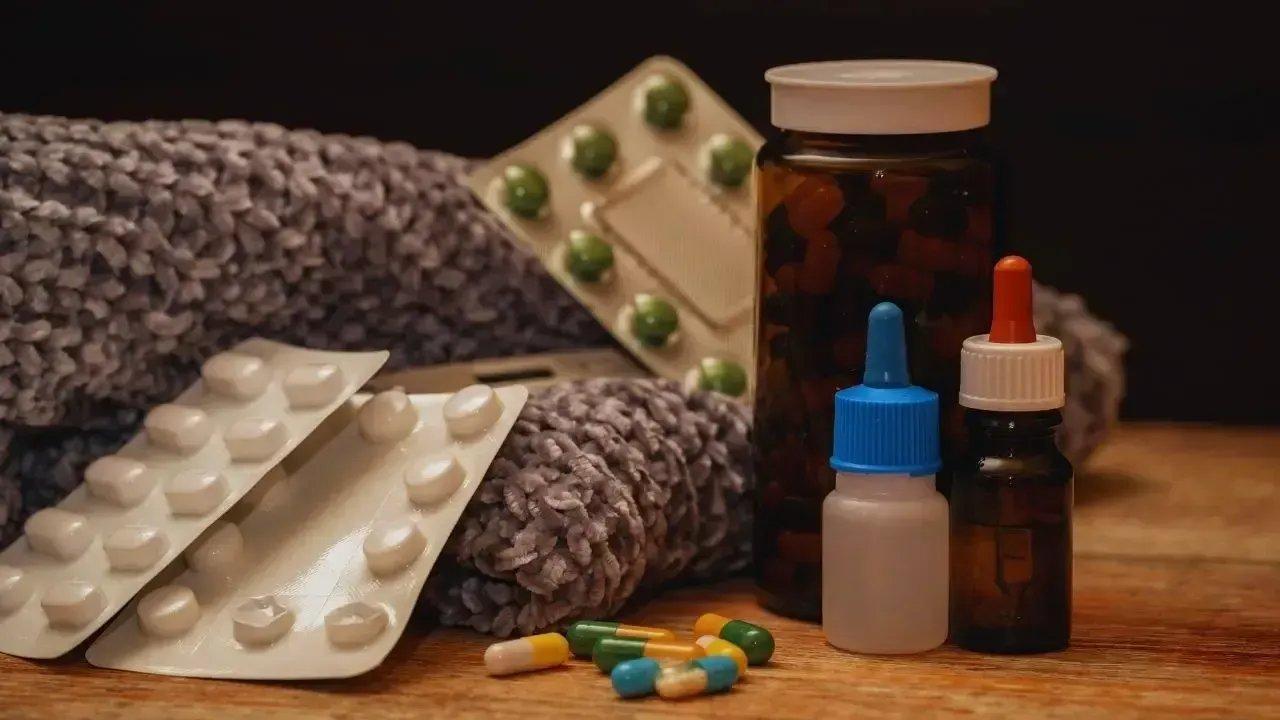
Antibiotics revolutionized healthcare. What once could lead to fatal outcomes has become manageable. Yet, their success has led to misuse.
These vital drugs are often taken without guidance—prescription-free or even shared. Their overuse in livestock has contributed to the rise of resistant bacteria.
Facing Unseen Challenges
We are now grappling with antibiotic resistance, which implications include treatment failures and prolonged illnesses.
Health facilities are inundated with cases where:
Simple injuries refuse to heal.
Usually manageable fevers lead to serious issues.
Routine surgeries pose increased risks.
Recurring infections become common.
This challenge isn’t a mere accident; it stems from a history of overuse and misconceptions.
India: A Growing Concern
India stands as the world leader in antibiotic use.
Over-the-counter dispensations and the culture of quick online consultations fuel rapid antibiotic consumption—often at the expense of thorough testing. The farming sector frequently adds antibiotics to feed.
But bacteria adapt quickly, leading to India being a hotspot for resistant infections.
Reliance on last-resort antibiotics is becoming common, straining our medical infrastructure.
Toxic Syrups: A Tragic Twist
Cough Syrup Missteps
What should have provided relief ended in heartbreak.
Cases of child fatalities tied to contaminated cough syrups have emerged globally.
The causes? Hazardous chemicals meant for industrial uses, slipping through due to lax quality control.
In the manufacturing process:
Children fell victim to substances they neither knew nor understood.
Parents placed trust in labels, only to be let down by factories.
Systems at Risk
The pharmaceutical supply chain is complex.
Multiple intermediaries, global resources, and diverse materials contribute to this vulnerability.
In many emerging economies, limitations arise:
Restricted testing capabilities.
Delayed law enforcement.
Whistleblower intimidation.
Profit-driven motives often overshadow caution.
This isn’t about individual faulty production; it’s about a broader systemic failure.
Regulatory Pressures
The efficacy of drug safety hinges on enforcement.
And that necessitates funding, personnel, and political backing.
Weak systems lead to:
When regulation fades, trust crumbles.
The Vulnerability of Children
Children are not mere smaller adults.
In fact, they:
A dosage deemed safe for adults could jeopardize a child's life.
This made the cough syrup tragedies all the more harrowing.
Childhood should inherently represent safety.
Invisible Air Disasters
While tainted medicine is identifiable, air pollution is often overlooked.
Yet it contributes to more fatalities annually than conflicts and calamities combined.
Urban centers in Asia, Africa, and parts of Europe frequently report hazardous air quality.
Substances so fine they penetrate lung tissues and enter circulation.
Pollution pervades without announcing itself.
Impact of Unclean Air
Contaminated air infiltrates more than just lungs.
It:
Penetrates blood circulation.
Disrupts cardiac patterns.
Elevates blood pressure.
Undermines the immune response.
Increases cancer susceptibility.
Triggers asthma in youth.
Accelerates aging processes.
Air pollution isn't just an inconvenience; it’s a serious health hazard.
The Air Quality Crisis in India
Cities across India rank among the world's worst for air pollution.
Key contributors include:
The consequences are felt widely: children develop asthma early, adults endure heart attacks in their thirties, and seniors battle lung diseases without a history of smoking.
The Food Dilemma
Food has its share of risks too:
Chemicals intended for better crop yields now grace our plates.
Washing no longer guarantees safety; cooking doesn’t neutralize all harmful substances.
Toxins infiltrate tissues, escaping surface cleaning.
Why Overseeing Safety is Challenging
Global supply chains are intricate.
Components sourced internationally complicate quality control.
Where regulation lapses:
No single authority has comprehensive control.
Who Is Responsible for Your Safety?
Health watchdogs are in place.
Governments perform checks, and laboratories conduct assessments.
However, limited resources often lead to selective enforcement.
Automation is underdeveloped, funding is scarce, and fines are trivial.
Regulation often acts reactively rather than proactively.
Immediate Actions for Families
Use Medications Responsibly
Avoid self-prescribing. Finish prescribed antibiotics. Never reuse old prescriptions. Don’t pressure health practitioners for quick fixes.
Monitor Storage Practices
Improper conditions can affect medication efficacy. Heat can spoil liquids, while moisture can ruin tablets.
Insist on Prescriptions
Do not accept antibiotics without prescriptions. Ensure pharmacists are diligent.
Enhance Home Ventilation
Utilize air purifiers when possible. Open windows during safe hours. Regularly dust, especially in busy areas.
Reduce Open Burning
Avoid burning waste; plastic fumes can linger for years.
Filter Your Drinking Water
Boiling and filtration can eliminate risks. Contaminated water can have lifelong consequences.
Emphasize Clean Eating
Opt for less processed food, choose natural grains, and make informed sourcing decisions.
Prioritize Child Safety
Children have distinct dietary and chemical sensitivities; their protection is critical.
Vigilance: A Key to Safety
Science provides tools, but systems often fail.
Markets, oversight, and education systems can collapse.
Health safety isn't assured by labels alone; it’s built through consistent vigilance.
The Psychological Toll: Navigating Distrust
People increasingly:
Fear medications.
Question labels.
Doubt food quality.
Worry about air quality.
Such concerns negatively impact mental well-being, leading to a questioning of former sources of safety.
The fallout is both physical and emotional.
Government Accountability
Healthcare systems cannot remain reactive; proactive measures are necessary.
Expand drug testing capabilities.
Invest in laboratory upgrades.
Institute more surprise checks.
Implement stringent pricing regulations.
Prohibit hazardous substances.
Enforce strict penalties for violations.
Public health should take precedence over profit.
Expectations from Corporations
Integrity must guide corporate actions.
Prioritizing speed over safety can lead to catastrophe.
Profits gained at the expense of health are unethical.
Community Awareness
Consumers should reject:
Fake labels.
Cheap alternatives.
Unfamiliar brands.
Illegal imports.
When demands for safety arise, suppliers will adapt to meet those expectations.
Undetected Health Crisis
No dramatic alerts accompany these dangers.
No immediate emergencies, just gradual harm.
Each day, silently impacting our health.
Conclusion: Embracing Change for Safety
We inhabit a reality where:
Medicines can endanger health,
food can pose risks,
air quality can threaten life,
and trust must be earned.
This situation calls for change.
It’s vital for families to remain vigilant,
for governments to be accountable,
and for corporations to operate ethically.
The future of health is contingent on responsibility, not just research.
Disclaimer:
This content serves general educational purposes and should not replace professional medical advice. Always consult a healthcare professional regarding health-related matters.


 English