Post by : Anis
Al-Rashid
Why Africa Now Matters for Indian Fuel Costs
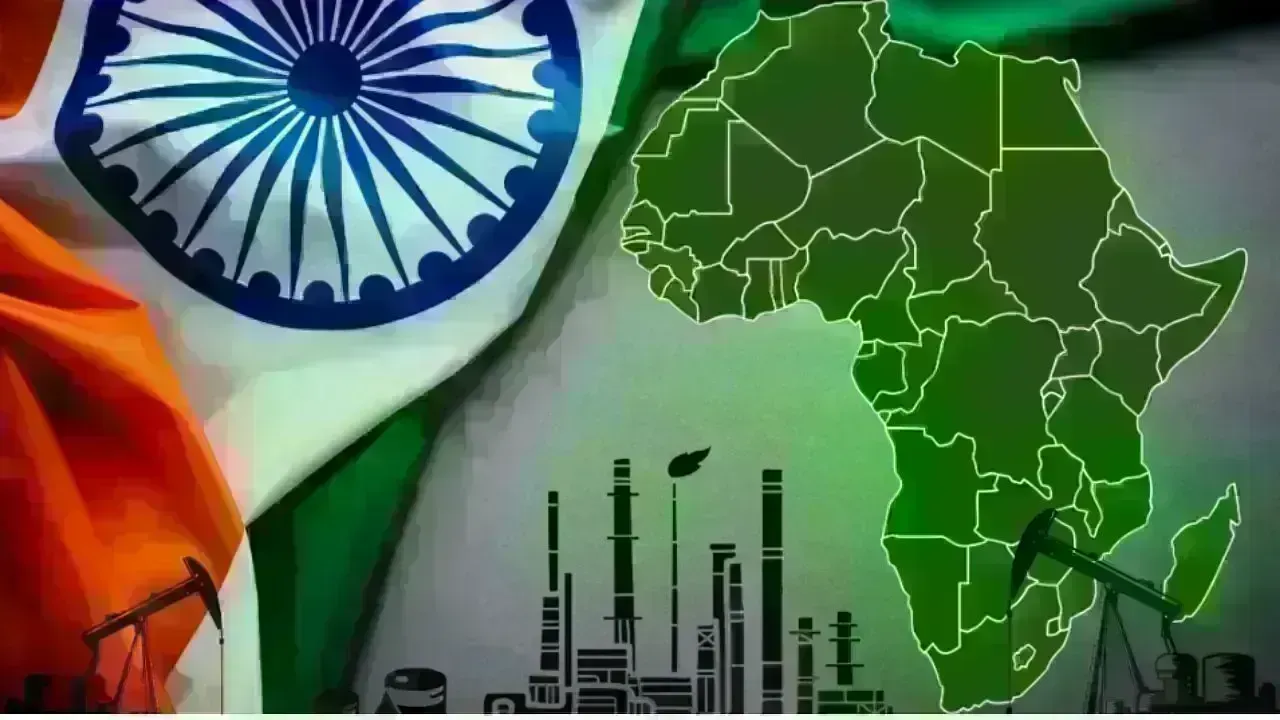
Africa and India might seem worlds apart, yet their energy sectors are increasingly intertwined. Fluctuations in fuel prices in India often stem from global factors, rather than domestic issues alone, highlighting the interconnectedness of oil and gas markets.
Africa is stepping out from the background, becoming a key player in shaping the global energy landscape. With new political dynamics, investment initiatives, and changing alliances, the way oil and gas are produced and transported is evolving, significantly affecting countries reliant on imported fuel like India.
In essence, decisions made in Africa can dictate whether fuel prices in India rise or decrease.
African Energy Landscape Undergoing Transformation
Historically, African nations have exported raw oil while relying on costly refined products. Oil extraction typically benefited foreign entities more than local economies.
Now, many African nations are shifting strategies to invest in:
By developing local refining capacities, several nations aim to elevate their economic status while simultaneously impacting global fuel distribution.
Political Changes Influence Energy Dynamics
The flow of oil is largely determined by political stability.
Key recent developments include:
Peace agreements between conflicting factions
Transitions of leadership driven by elections
Policies encouraging investments
National energy strategies focusing on diversifying production
Where political stability exists, production tends to rise; uncertainty, on the other hand, leads to decreased output.
Any instability can trigger immediate reactions in energy markets, leading to price surges.
Importance of Political Agreements in Oil Markets
Oil-exporting nations operate under various agreements. When leadership changes, these contracts can be revised, and production rates can fluctuate.
Political relationships are crucial as they influence:
Licensing processes
Exploration permissions
Export limits
Ownership dynamics
Investor confidence
Smooth agreements ease extraction processes, leading to lower costs, whereas conflicts can drive them up.
Energy Investments: Oil, Gas, and Renewables
Africa's energy strategy encompasses more than just oil.
Key focus areas include:
Continuing Oil Exploration
New projects are emerging, with expected increases in oil supply impacting market pricing.
India's economy, heavily reliant on imports, tends to benefit from an expanded supply base.
Natural Gas: The Rising Star
Natural gas is quickly becoming Africa’s leading energy export.
This affects India in terms of:
Electricity prices
Fertilizer production
Cost of industrial fuels
City gas networks
With stable gas exports, India can negotiate favorable contracts, whereas political unrest may lead to soaring gas prices.
While gas is a cleaner alternative, its supply is sensitive to political shifts.
Renewable Energy: Future Forward
Investment in renewables is also on the rise, with focuses on:
As local energy becomes cleaner, more oil can be redirected to exports, increasing supply and stabilizing prices.
Shipping Channels and Their Impact on fuel Supply to India
Africa is strategically located near major shipping routes, and when tensions rise in these areas, shipping costs increase.
Higher insurance and freight rates directly translate to elevated fuel prices.
Logistical Challenges: Piracy, Policies, and More
Regions facing piracy or unstable governance create unpredictability in logistics, which traders seek to avoid.
Increased risks compel traders to charge premiums that can contribute to higher prices at the pump in India.
Diversity in India's Energy Sources
While India imports fuel from various locations, African crude oil and gas are critical for ensuring a diverse supply chain.
A dip in African supply could push India towards higher-cost markets, making it essential to maintain strong ties with African producers.
Financial Dynamics: Currency and Energy Deals
Energy transactions occur in foreign currencies, making fluctuations in African markets pertinent.
As global fuel prices rise, India's import costs surge, affecting currency values and raising retail fuel expenses.
Importance of Direct Partnerships
India is pursuing direct energy collaborations to secure stable pricing and ensure supply longevity.
Diplomatic efforts are essential in solidifying these relationships and enhancing India's position in energy markets.
Fuel Prices: A Ripple Effect Across the Economy
The price of fuel extends beyond transport; it influences various sectors, from food pricing to manufacturing costs.
The Inflation Trigger
Fuel price fluctuations can spark inflation, affecting the cost of goods and living.
The Future of African Energy
If African nations succeed in overcoming obstacles, they could stabilize energy costs and provide reliable supplies to India.
Why Citizens Should Care
Energy diplomacy is increasingly relevant to ordinary citizens, influencing everything from petrol prices to electricity tariffs.
India's Strategic Path Forward
India's proactive measures include securing long-term contracts and diversifying its energy sources to mitigate risks.
The Emerging Energy Narrative
Africa's energy strategies today will shape global fuel pricing in the years to come.
Final Thought: The Close Ties of Fuel and Geography
While geographical distance separates India from Africa, the oil and gas markets connect them intimately.
Understanding these dynamics is crucial as fuel prices reflect broader political and economic realities.
Ultimately, energy is not merely about resources; it intertwines with economic stability and policy-making.
DISCLAIMER
This article is intended for informational purposes only and should not be considered as financial or investment advice.


 English