Post by : Anis
Al-Rashid
A Rapid Shift That Caught Many Off Guard
Technological advancements have long influenced the workforce, but the rapid encroachment of Artificial Intelligence has taken many by surprise. Unlike previous automation trends which predominately targeted manual labor, AI is now penetrating areas of cognitive work such as data analysis, content generation, and customer service.
This transition is occurring at an unprecedented speed. Organizations are implementing AI solutions in mere months, prompting swift realignments in hiring practices, occupational roles, and overall workforce dynamics. This realization breeds a heightened sense of uncertainty among workers that transcends particular sectors.
Identifying the Most Affected Roles
The impact of AI on employment is not uniform; certain sectors experience more immediate effects than others.
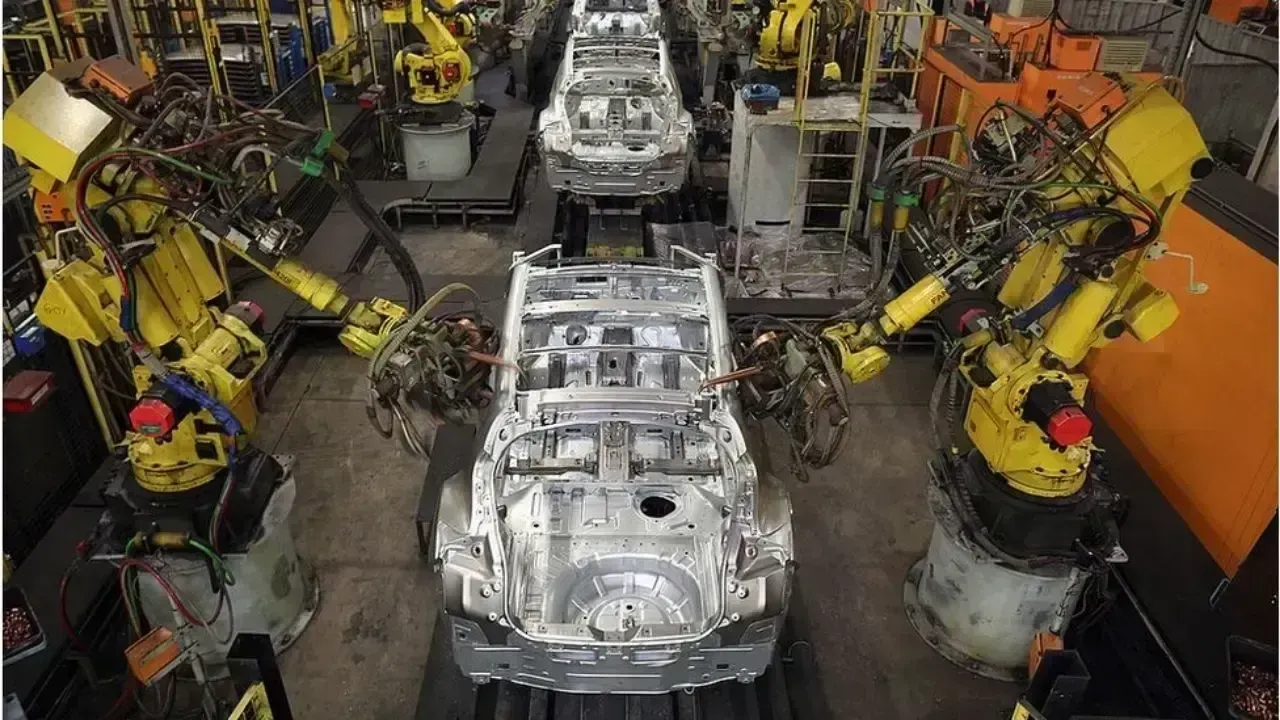
Job functions that are repetitive are primarily the first to be automated. Roles in data entry, basic accounting, telemarketing, and administrative tasks are increasingly subject to automation. In industrial environments, robotics powered by AI are undertaking repetitive assembly operations, while predictive technology minimizes manual quality assurance.
Moreover, white-collar professions are now facing disruption as well. AI can draft reports, evaluate contracts, produce marketing content, and support legal methods. This shift undermines the long-held assumption that higher education guarantees job security.
Transformation in Jobs Over Elimination
While headlines often highlight job losses, an equally significant yet less visible trend is the transformation of existing roles. Many jobs are not vanishing entirely; instead, they are evolving.
Workers will need to operate in tandem with AI systems, overseeing their outputs, making key decisions, and addressing complex challenges. This represents a shift in skill requirements, with technical savvy, flexibility, and critical thinking becoming more crucial than rote knowledge.
The transition is, however, not even across the workforce. Employees lacking access to training or digital resources risk being further marginalized, exacerbating existing disparities in the labor market.
Emergence of New Roles and Skills Gaps
The disruption caused by AI is also giving rise to entirely new job categories. Positions related to AI development, data management, cybersecurity, and system monitoring are experiencing rapid expansion. The demand is surging for experts who can train algorithms, manage ethical considerations, and analyze AI outputs.
Yet, the rate of job creation does not always parallel that of job loss. A significant skills gap emerges, as new roles often require specialized knowledge that those displaced may lack. This discrepancy make reskilling not just important, but urgent—especially for mid-career professionals.
Effects on Wages and Job Quality
AI's influence stretches beyond the number of jobs; it also shapes wages. Highly skilled workers who can harness AI technologies often experience increased productivity and compensation. Conversely, those in roles susceptible to automation contend with wage pressure as supply begins to outstrip demand.
In certain sectors, AI facilitates a greater reliance on gig or contract work, which diminishes job security. This shift raises important questions regarding job quality, benefits, and long-term viability, particularly in economies with weak safety nets.
Disparities in Global Impact
The repercussions of AI on labor markets can vary dramatically by region. Developed economies equipped with robust digital infrastructure are better suited to adapt to AI changes through innovation and retraining. Conversely, developing countries, which still depend on labor-intensive sectors, face considerable risk.
For nations like India, challenges are twofold. AI threatens low-entry service positions while simultaneously presenting new pathways in tech-oriented fields. The outcome is heavily reliant on the education system, policy initiatives, and access to digital skill training.
Education Systems on the Backfoot
A significant issue lies in the mismatch between education and workforce needs. Traditional educational frameworks were sculpted for stable career trajectories, and are ill-equipped for the constant changes brought by technology.
AI necessitates ongoing learning, yet formal curricula often remain static, leaving graduates ill-prepared and employers dissatisfied. Continuous education has become essential, but access to quality retraining is frequently uneven.
The Human Cost of Uncertainty
Beyond economic dimensions, AI disruption carries a substantial emotional toll. The fear of job loss influences mental health, self-confidence, and future planning. Workers are anxious not only about unemployment but also about becoming obsolete.
Such concerns are particularly acute among younger generations entering unstable job markets and older individuals apprehensive about their adaptability. The psychological ramifications of technological upheaval are increasingly relevant.
The Need for Regulatory Frameworks
Governments are working to keep pace with rapid change in technology. Labor laws, social security frameworks, and educational programs were not initially designed to handle AI-related disruptions.
Current policy efforts prioritize retraining programs, AI ethics, and worker protections. However, practical implementation often lags behind technology's advance. Without cohesive action, the chasm between technological evolution and social readiness could widen.
Will AI Lead to More Job Creation?
This question remains highly contested. Historically, advancements have generated more employment opportunities, albeit with difficult transitional phases. AI may adhere to this established trend, yet the rapid pace complicates matters significantly.
The crucial factor lies in timing: if job creation and reskilling do not keep up with job loss, societies may endure prolonged periods of unemployment and inequality.
Final Thoughts: Navigating a Transformative Work Landscape
Artificial Intelligence is fundamentally altering labor markets; it is not merely shifting them. The future workforce will hinge on adaptability, continuous learning, and human decision-making.
Whether AI ultimately serves as a catalyst for widespread prosperity or deepens disparities will depend on today's societal responses. Investment in education, inclusive reskilling, and comprehensive regulations will be key in determining whether workers are uplifted or displaced by AI.
The time of disruption is now; the challenge lies in managing it before it overwhelms us.
Disclaimer:
This article is for informational purposes only; the impact of AI on labor markets differs across industries, regions, and skill levels, and will continue to evolve alongside technological and policy advancements.


 English