Post by : Bianca
Haleem
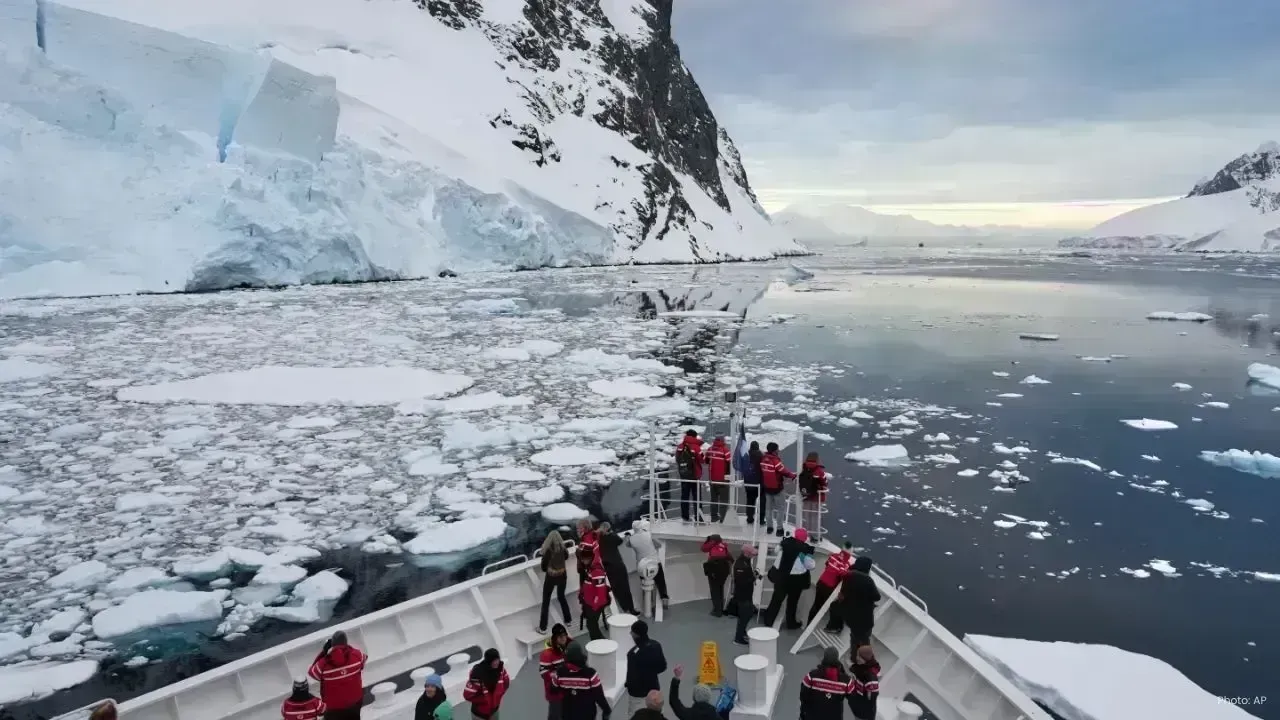
A significant uptick in tourism to Antarctica presents troubling implications for the fragile ecosystem, with fears of environmental degradation, contamination, and potential disease outbreaks as more tourists venture into the region.
Despite the high costs and logistical challenges of traveling to Antarctica, the number of visitors is soaring. Scientific and environmental communities are sounding the alarm over the implications of this increased human activity.
The recent incident involving the MV Hondius cruise ship underscores these growing concerns; a hantavirus outbreak linked to the voyage has raised awareness about the associated risks of Antarctic tourism.
The Antarctic Peninsula remains a hub for tourists, being one of the regions experiencing the most rapid warming on the planet. NASA indicates that the continent has lost approximately 149 billion metric tons of ice annually from 2002 to 2020.
Travelers typically journey from Argentina toward the icy landscapes of Antarctica, with some routes leading along the African coast.
The diverse wildlife—comprising whales, seals, penguins, and stunning ice formations—draws visitors in. Environmental expert Claire Christian emphasizes how deeply these experiences resonate with tourists.
Tourism has escalated remarkably, with numbers projected to reach over 400,000 annually within a decade as costs lower. In 2024 alone, over 80,000 tourists explored Antarctica, alongside 36,000 viewing it from ships, according to the International Association of Antarctica Tour Operators.
Yet, this influx poses contamination risks, as diseases like avian flu have already made their way to Antarctica via migratory birds, according to CDC findings.
To mitigate these risks, tour operators are enforcing stringent hygiene protocols. Travelers are required to meticulously clean their gear and footwear to prevent the introduction of harmful species into this delicate ecosystem. Moreover, guests need to maintain safe distances from wildlife and limit unnecessary ground contact.
Health concerns are also paramount, as dense living quarters on cruise ships can facilitate the rapid spread of illness. Historical outbreaks, including COVID-19 on the Diamond Princess cruise liner, highlight the vulnerabilities inherent among travelers.
The World Health Organization is probing the hantavirus case linked to the MV Hondius, with initial reports suggesting the first passenger contracted the virus prior to boarding.
Antarctica's governance is guided by the Antarctic Treaty System—established in 1959 for scientific and peaceful preservation of the region. However, experts note that these guidelines were formulated under significantly lower tourism rates.
Environmental advocates are now pushing for enhanced regulations to safeguard Antarctica's vulnerable wildlife, including its unique penguin, whale, seabird, seal, and krill populations.
Despite heightened concerns, the appetite for Antarctic exploration remains strong. Experts caution that human footprints in this pristine area can last for decades, accentuating the sensitivity of the ecosystem.


 English