Post by : Saif
Al-Najjar
Iran is grappling with one of its most significant waves of unrest in recent history, as protests erupt nationwide against the backdrop of a government-enforced internet shutdown. Initiated over economic grievances, these demonstrations have morphed into widespread discontent directed at the ruling regime.
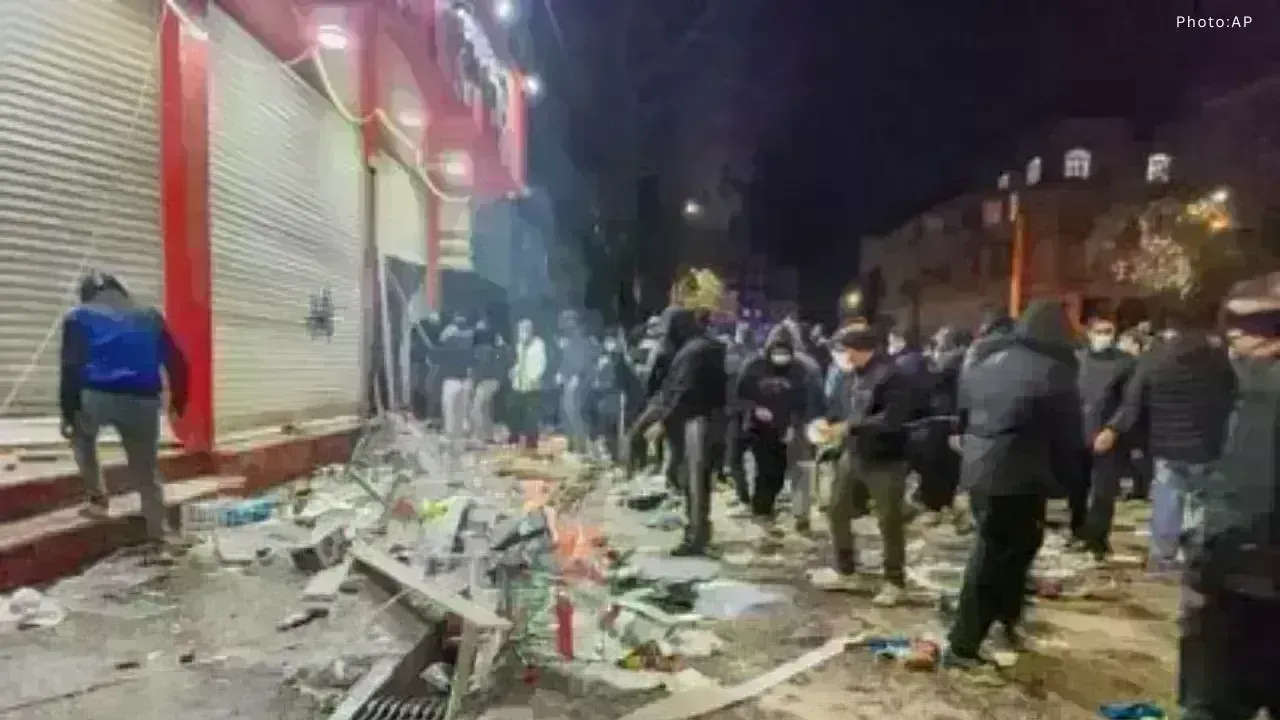
On Friday night, activist-shared videos captured scenes of large gatherings in Tehran and various cities, where crowds brandished slogans, ignited fires, and obstructed major roadways. Despite the government's attempt to sever internet and international communication lines, citizens continued to rally, underscoring their escalating frustration.
According to human rights organizations, at least 65 individuals have lost their lives since the onset of protests in late December, with over 2,300 individuals arrested. These figures have ignited fears of a potential severe crackdown reminiscent of earlier protest movements in Iran.
Supreme Leader Ayatollah Ali Khamenei addressed the turmoil in a televised speech, accusing protesters of vandalizing their own communities in admiration of U.S. President Donald Trump. Khamenei remarked that the demonstrators were “ruining their own streets” while labeling Trump as someone whose hands were “stained with the blood of Iranians.” Supporters present at the speech voiced chants against the United States.
Following this, Iranian state media characterized the protesters as “terrorists,” a term historically employed to sanction aggressive action by security forces. Adding to the mounting tension, Iran's judiciary chief, Gholamhossein Mohseni-Ejei, cautioned that any punishments would be rigorous and unyielding.
Even with official warnings and advisories to families urging them to keep children indoors, protests persisted. Online footage revealed burning vehicles, barricaded intersections, and crowds shouting slogans such as “Death to the dictator” and “Death to Khamenei.” In northern Tehran, reports indicated that thousands remained in the streets well into the night.
The demonstrations have also extended to other regions, including Zahedan and Hamedan. Iranian state broadcasters acknowledged that overnight clashes resulted in fatalities, including among security personnel, but refrained from releasing comprehensive nationwide statistics.
A pivotal moment arose after calls from exiled Crown Prince Reza Pahlavi, son of Iran's last monarch, to assemble at 8 p.m. on successive nights, which many citizens heeded. For the first time in decades, slogans advocating for the former monarchy resonated publicly, illustrating a profound rejection of the current ruling establishment.
Some demonstrators voiced support for the reinstatement of the shah, a sentiment historically punishable by death. Analysts suggest this signifies not just allegiance to Pahlavi, but also a profound longing for transformative change and relief from economic hardship.
Pahlavi subsequently appealed to President Trump, cautioning that the internet blackout could permit security forces to act with impunity. Trump reiterated his warnings to Iran’s leadership, stating the U.S. would respond decisively if protesters were harmed, asserting that any military engagement would not involve ground troops but would deliver a significant impact on Iran.
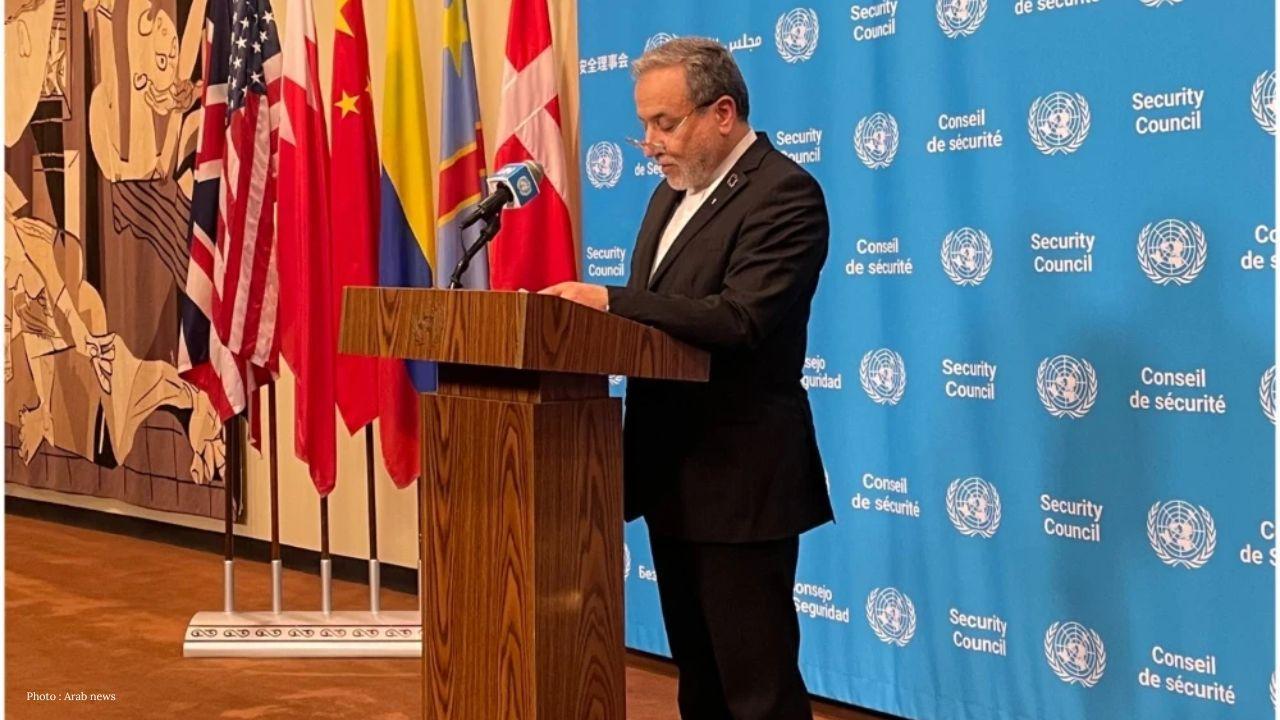
Internationally, concern has intensified. Leaders from Germany, the UK, and France jointly condemned the alleged violence against demonstrators and urged Iran to permit peaceful protests. Nobel Peace Prize laureate Shirin Ebadi also denounced Iran’s leadership, asserting that a government attacking its citizens cannot claim moral authority.
The protests in Iran have evolved beyond mere economic frustrations, now directly challenging the political establishment. With communication severed, threats proliferating, and fatalities increasing, the nation stands at a precarious juncture. It remains uncertain whether protests will persist or be quashed by force, but the widespread anger fueling these movements is robust and challenging to suppress.


 English