Post by : Anis
Al-Rashid
2025: A Defining Year for Clean Energy Integration
The transition towards sustainable energy is no longer a distant dream; it’s becoming a tangible reality. Electric vehicles (EVs) have evolved from niche products to mainstream offerings. Innovations in battery technology support everything from EVs to home energy solutions, while renewable sources like solar and wind are experiencing unprecedented growth.
In 2025, electric vehicles, battery advancements, and renewable energy have begun to unite in ways never seen before. This convergence is reshaping transportation, energy distribution, manufacturing, and home energy use.
This integration represents a crucial shift: a movement away from fossil fuels toward a more electrified and sustainable energy system.
Electric Vehicles: Pioneering the Clean Energy Revolution
Surge in Global EV Adoption
In 2025, electric vehicles are shattering sales records, driven by:
EVs are extending beyond luxury models, becoming accessible to middle-income families across various segments including compact vehicles, SUVs, delivery vans, and motorcycles.
EVs Become Integrated Energy Solutions
Electric vehicles are transforming from mere transportation options into integral parts of smart energy ecosystems by:
utilizing batteries for storing renewable energy
supplying power back to households or grids
aiding in demand balancing during peak times
These functions enable EVs to act as mobile energy reserves that bolster renewable energy usage and enhance grid resilience.
Commercial Transition to Electric Fleets
Logistics and public transportation sectors are adopting electric vehicles due to reduced operating costs, further driving the demand for robust charging infrastructure.
Battery Technology: The Key to Progress Across Sectors
Advancements in Battery Chemistry
Significant breakthroughs in battery technology are shaping 2025, including:
These advancements promise enhanced range, improved safety, rapid charging, and lower manufacturing costs.
Commercial Viability of Solid-State Batteries
Solid-state batteries replace liquid electrolytes with solid ones, resulting in:
lower fire risks
higher energy density
greater lifespan
While still in early stages, these batteries are making their way into high-end EVs. As costs decrease, they have the potential to reshape industry standards.
The Rise of Sodium-Ion Batteries
Sodium-ion batteries are emerging as a viable cost-effective alternative to lithium batteries, characterized by:
Their practicality positions them well for budget-friendly EVs and large-scale grid storage.
Renewable Energy: The Backbone of the Clean-Energy Shift
Unprecedented Growth in Renewable Capacity
In 2025, solar and wind power generation is booming due to falling costs and governmental support, making renewables the fastest-growing energy sources globally.
It’s essential to note that charging EVs with fossil fuel-based energy diminishes their environmental benefits. As electric grids become greener, EVs transition into genuinely sustainable options.
Challenges in Merging Renewables with Energy Systems
Despite the rapid growth of renewable energy, integrating intermittent sources remains challenging, which is why energy storage solutions are vital. Collaborations between renewables and advanced battery technologies ensure the feasibility of extensive clean energy systems.
Growing Interest in Decentralized Energy Systems
More consumers are opting for rooftop solar paired with home storage solutions, promoting:
This decentralized model will serve as a foundational element for future energy frameworks.
The Crossroads of EVs, Battery Technologies, and Renewable Energy
Electric Vehicles as Grid Assets
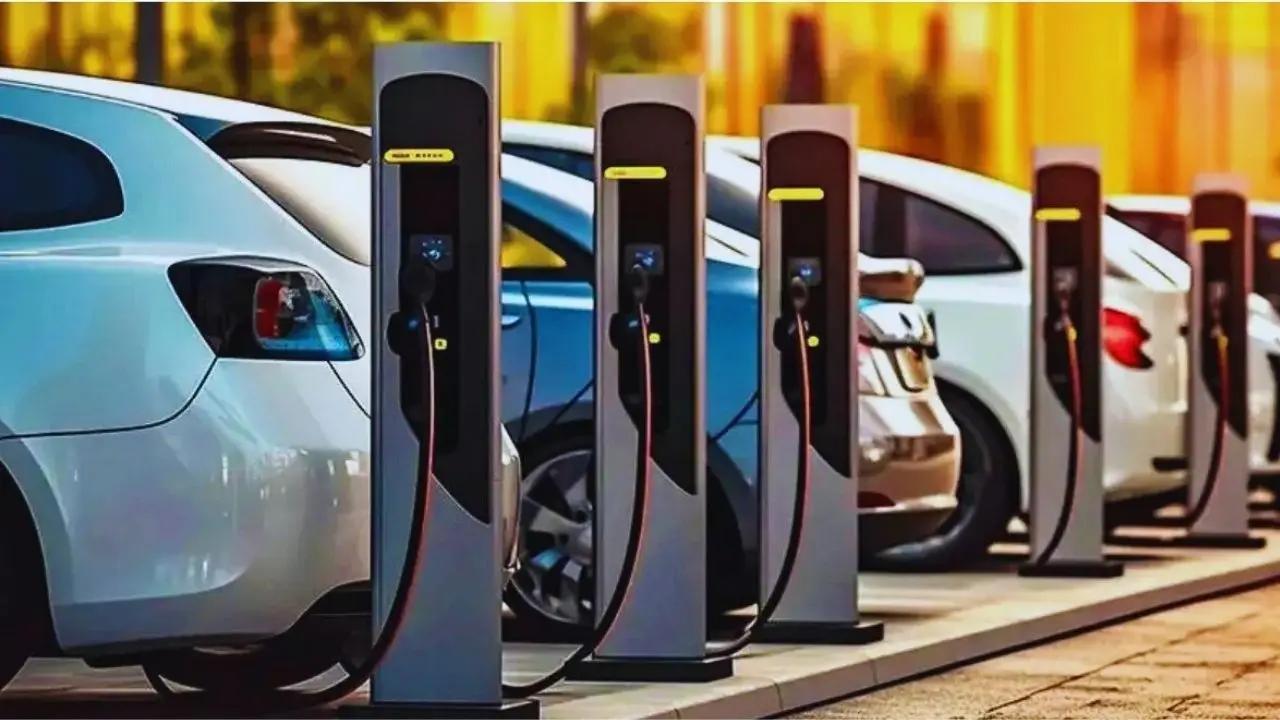
With bidirectional charging, EVs are now linked to the energy grid, allowing them to:
charge during times of excess renewable energy
discharge electricity during peak demand
assist in stabilizing local power grids
This transforms EVs from being passive energy consumers to critical assets in the energy landscape.
Battery Storage: Empowering Renewable Integration
Advanced batteries capture excess renewable energy generated during plentiful weather conditions for use during peak demand and low production scenarios.
More battery storage means higher renewable energy integration, thereby fostering a cycle of clean energy growth.
Smart Charging: The Key to Grid Stability
Smart charging systems track energy needs, pricing, and renewable availability, directing EV charging to optimal periods and alleviating pressure on power systems.
Industry Adaptations to the Clean Energy Convergence
Automakers Ramp Up Battery Production
Leading car manufacturers are creating gigafactories to ensure a steady supply of batteries while minimizing reliance on external suppliers. This vertical integration aids in cost management and guarantees consistent output.
Utility Companies Respond to Electrified Transport
Electric companies are viewing EV charging as a new demand source and investing in grid enhancements, renewable generation, and smart metering technologies.
Tech Companies Dive into Energy Solutions
Tech giants are recognizing the potential in battery solutions and renewable integration. They are launching:
energy management software
advanced charging solutions
AI-driven grid enhancements
This forward momentum is blurring the lines between traditional sectors and accelerating meaningful innovations.
Consumer Advantages from the 2025 Clean Energy Transition
Reduced Operating Costs for EVs
EV owners can significantly cut fuel and maintenance expenses. As electricity becomes cleaner and more affordable, lasting savings will increase.
Expanded Access to Home Energy Solutions
Consumers are now utilizing home batteries not just for backup but also for:
Such innovations enhance residential resilience during power outages.
Fostering a Cleaner Environment
A reduced reliance on fossil fuels leads to lower air pollution levels. Cleaner urban air quality brings about:
Challenges Facing Clean Energy in 2025
Supply Constraints for Key Minerals
The demand for battery materials like lithium, nickel, and cobalt creates strains on supply chains due to geopolitical pressures.
Inconsistent Access to Charging Facilities
Developing areas face challenges in establishing adequate charging infrastructure, slowing down EV adoption despite growing consumer desire.
Grid Stress During High Demand
Without necessary grid updates, widespread EV charging could result in outages or instability.
Cost Barriers Still Exist
EVs and home batteries continue to bear high costs in numerous markets. Ongoing governmental support is vital for growth.
Looking Ahead: The Future Beyond 2025
Greater Affordability Across Vehicle Ranges
Emerging battery technologies will decrease production expenses, widening EV availability across various price categories.
Vehicle-to-Everything (V2X) Systems on the Rise
Electric vehicles will increasingly interact with:
homes
offices
intelligent grids
renewable energy farms
Such interactions will revolutionize overall energy management.
Widespread Adoption of Energy Storage
Battery storage will become a norm within cities and industries, allowing for greater renewable energy use.
Integration of Hydrogen Technology
Hydrogen innovations will complement battery systems, particularly for heavy-duty transportation and industrial applications.
Conclusion: 2025 and the Convergence of Major Technological Forces
The synergy of electric vehicles, advanced battery technologies, and renewable energy systems signifies a shift from isolated advances to an interlinked technological ecosystem. By 2025, these industries are collectively transforming mobility, energy production, manufacturing practices, and daily living experiences.
This convergence paves the way for a cleaner energy transition, lower carbon footprints, and more affordable energy solutions, preparing society for a future that embraces resilience and sustainability. While challenges like mineral supply and infrastructure development remain, the world is clearly advancing towards smarter, cleaner energy solutions.
The innovations shaping today's landscape will influence how future generations transport themselves, power their homes, and safeguard the planet for many years to come.
Disclaimer:
This article serves informational purposes. Trends, technologies, and market dynamics may differ across regions and are subject to policy, economic, and innovative changes.


 English