Post by : Shweta
Tension is palpable in Iran as indirect negotiations with the United States progress, interwoven with military threats and escalating pressures. Many within the country are watching closely, hoping that diplomatic efforts can stave off a larger conflict, even as severe warnings and military actions persist from both sides.
Current discussions are being mediated in Qatar and other regional nations, covering critical topics such as Iran’s nuclear program, sanctions alleviation, security in the Strait of Hormuz, and potentially extending the fragile ceasefire. Despite these talks, major differences remain between the two nations regarding crucial demands.
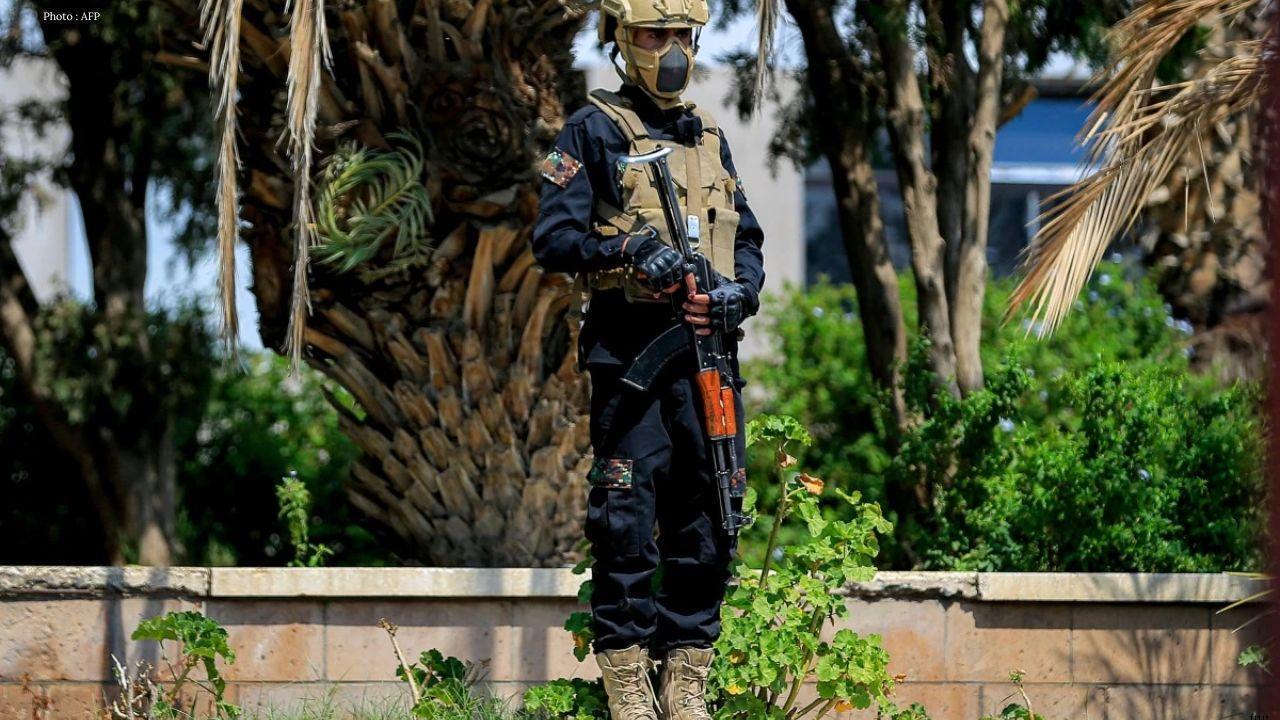
Recently, the United States executed new "self-defense" strikes on Iranian military targets, including missile sites, in southern Iran. U.S. Central Command reports that these strikes were aimed at areas close to the Strait of Hormuz, where Iranian boats allegedly attempted to deploy naval mines. Iran has vehemently condemned these strikes, labeling them as military aggression amid sensitive peace negotiations.
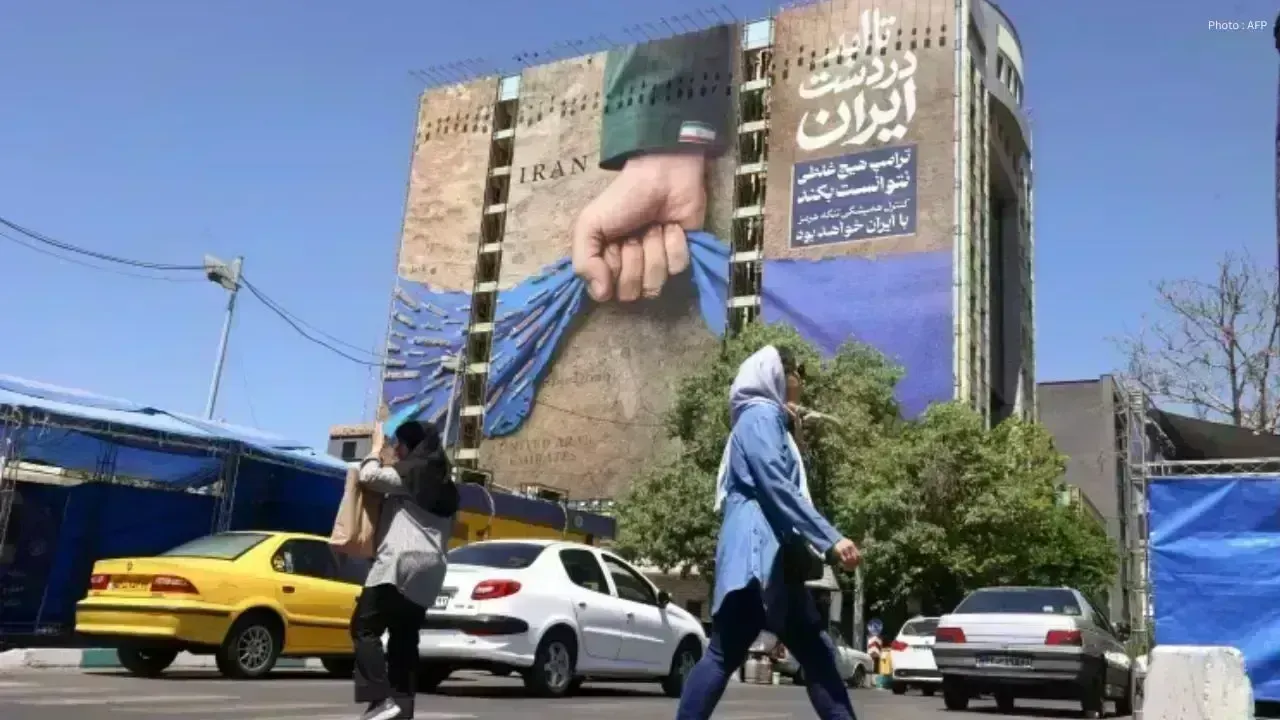
This combination of diplomatic talks and military escalation contributes to a fraught atmosphere in Iran. Citizens in Tehran and other cities are reportedly tuning in for updates, as concerns over the possibility of a wider conflict grow. Iranian media extensively covers these negotiations, emphasizing military officials’ warnings against further American attacks.
Officially, the Iranian government asserts its openness to fair negotiations but categorically rejects what it sees as coercive diplomacy. Foreign Minister Abbas Araghchi has emphasized that Tehran will not negotiate under duress and remains poised to defend itself if necessary. Additionally, Iranian leadership has accused the U.S. of leveraging military force for political gain during negotiations.
U.S. President Donald Trump maintains a firm stance while backing negotiations, recently reiterating demands that Iran either surrender or destroy its enriched uranium stockpile under international scrutiny. He warned that should a meaningful agreement not be reached, military action might escalate.
Supreme Leader Mojtaba Khamenei has added to the rising tensions with stark warnings directed at the U.S., asserting that American military installations in the Middle East would not remain secure if Iran continues to face attacks. His remarks resonate with the growing fortitude of anger within Iran following the U.S. operations in the Gulf.
The Strait of Hormuz remains a focal point in these negotiations. This vital waterway is crucial for global oil transportation, accounting for nearly 20 percent of the world's oil supply. Any military conflict in this region has the potential to disrupt international energy markets and shipping routes significantly. Discussions between Iran and the U.S. reportedly include security assurances to stabilize shipping operations in the area.
Domestically, many Iranians are concerned about the economic ramifications of ongoing instability. International sanctions, inflation, and the specter of war continue to put immense pressure on the economy. Some citizens cling to the hope that diplomacy can alleviate tensions and enhance economic conditions, while others harbor skepticism rooted in past failures of negotiations between Tehran and Washington.
Analysts suggest that the current situation is exceedingly delicate, as both nations attempt to balance military pressure with diplomatic overtures. While mediation continues, the backdrop of strikes, threats, and political discord heightens the potential for abrupt escalation. Experts warn that the upcoming days could be pivotal in determining whether the dialogue leads to a comprehensive agreement or edges the region closer to another major conflict.


 English