Post by : Bianca
Haleem
Iran has condemned the recent economic sanctions instituted by the United States, terming them as “state terrorism” and highlighting their detrimental effects on its populace.
The remarks came on Friday when Iran's Supreme Leader Ayatollah Mojtaba Khamenei called on officials to avert actions that might jeopardize “social cohesion”. This warning is amidst fears that escalating economic hardship could spark public unrest.
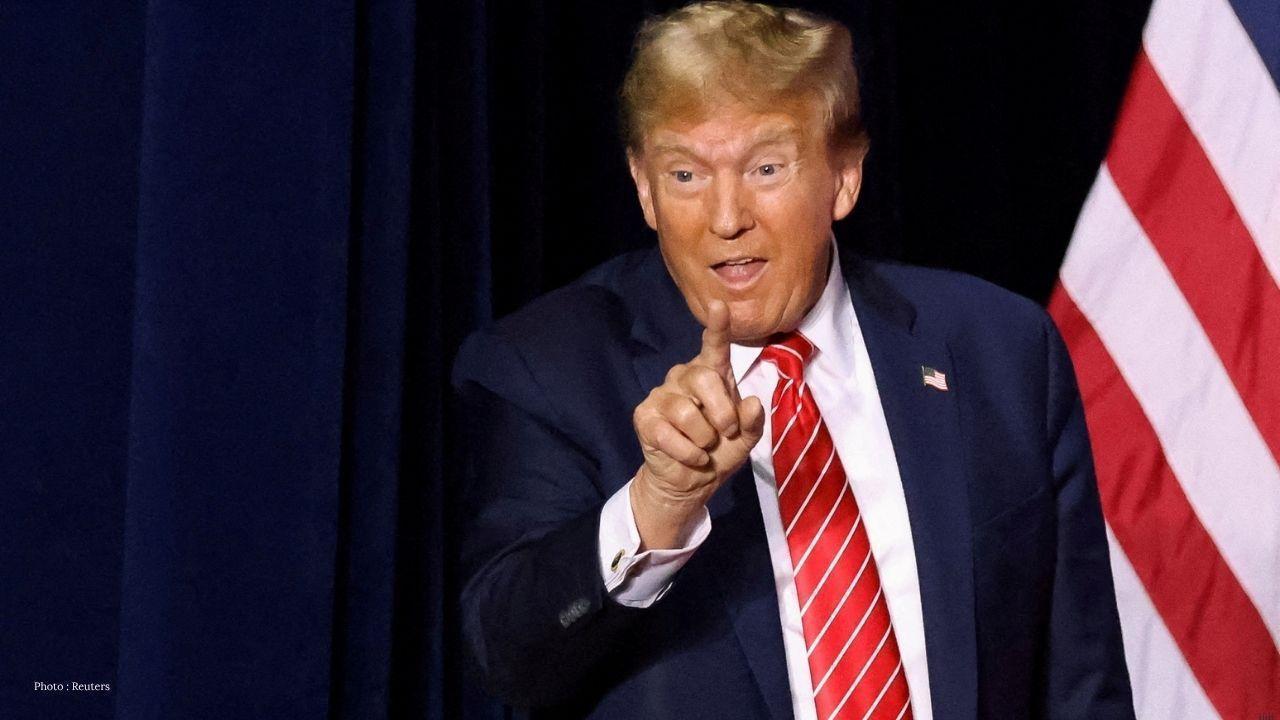
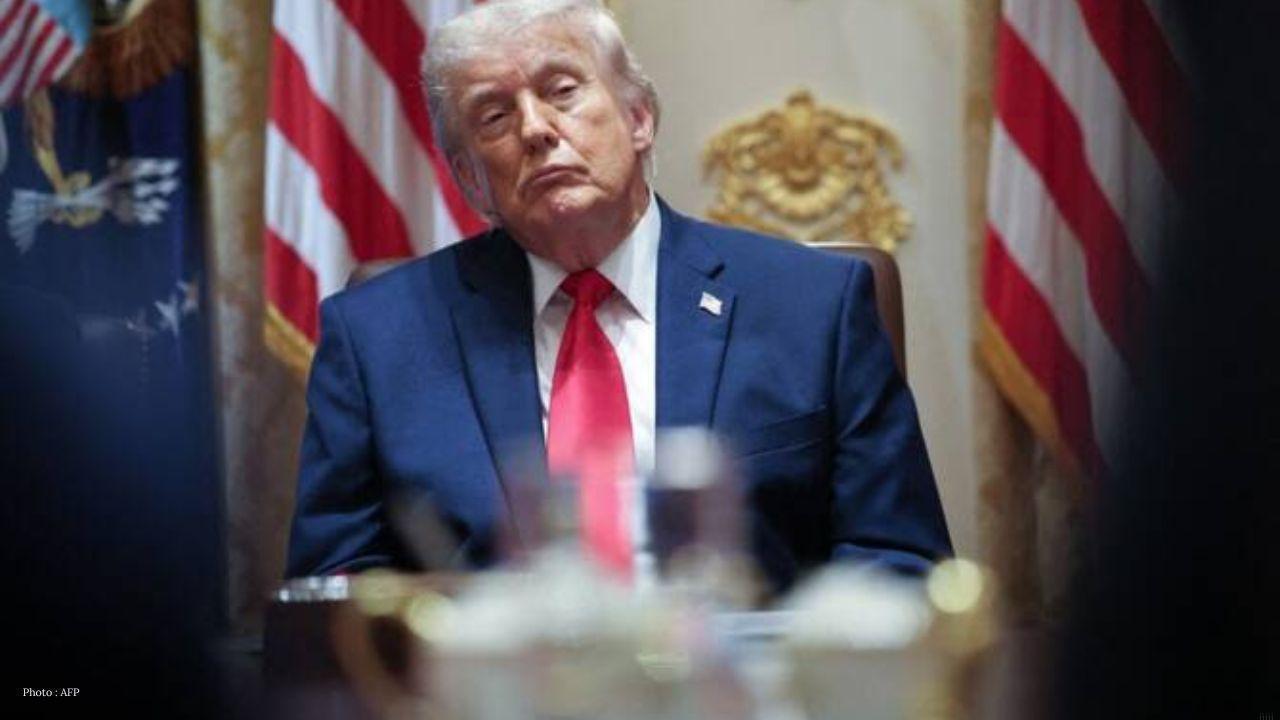
As the conflict stretches into the sixth month with negotiations at a stalemate, the administration of US President Donald Trump has amplified financial pressure on Iran, referring to it as an “economic D-Day”.
Economic Pressures Mounting in Iran
These new sanctions exacerbate the already challenging economic situation brought about by the ongoing war. Annual inflation in Iran soared to 66% last month, while the unresolved dispute over the Strait of Hormuz continues to pose significant issues.
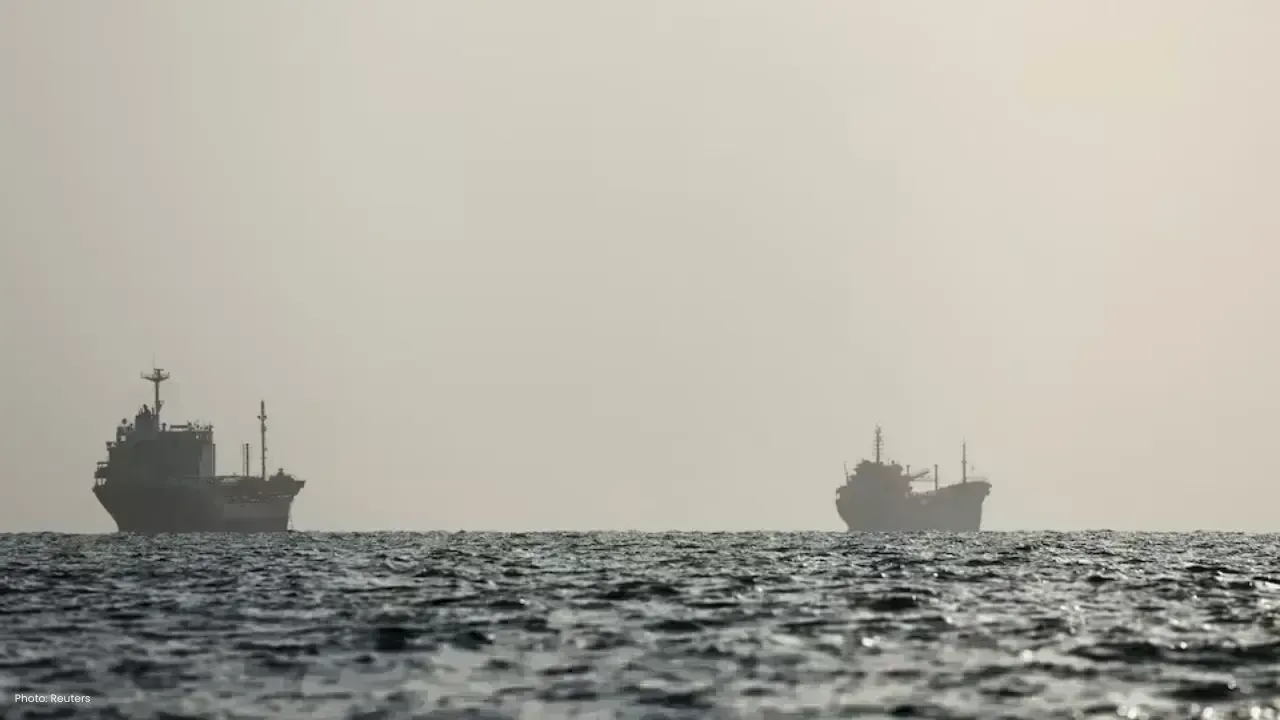
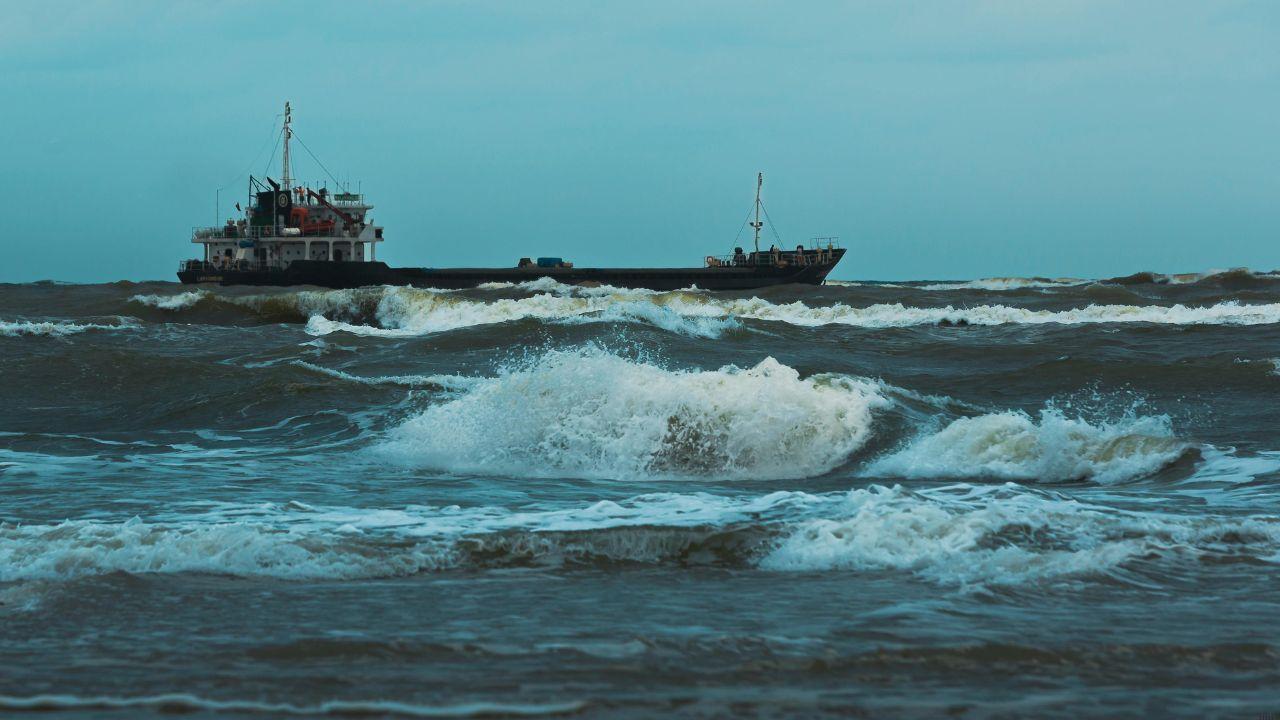
Prior to the conflict, the Strait of Hormuz facilitated approximately one-fifth of the world’s oil transport.
Washington has cautioned other nations to limit their dealings with Iran to avoid secondary sanctions, although the US Treasury has yet to impose such penalties.
In response, Iran’s Foreign Ministry emphasized that other countries are obligated to ignore US sanctions as per international law, labeling these sanctions as a “crime against humanity” that threaten the welfare of millions.
Khamenei Advocates for Unity and Action
After having sustained injuries, Ayatollah Mojtaba Khamenei, who hasn’t been seen in public since the tragic assault on February 28 that resulted in the death of his father, conveyed his message in writing.
He instructed officials not to engage in behaviors that might compromise social unity and urged them to refrain from comments that could diminish public morale.
His appeal emerges at a time when there are heightened concerns that increased financial pressure might incite protests on the streets.
Khamenei also commanded the government to tackle the economic issues aggravated by the conflict, specifically pointing to inflation, unemployment, and the need for better management of market prices.
Decline in Foreign Trade
Iran's President Masoud Pezeshkian reported a nearly 35% drop in foreign trade, a direct consequence of the US sanctions and a naval blockade against Iranian ports.
Pezeshkian mentioned that Iran managed to export around 90 million barrels of oil during a brief understanding previously established between the US and Iran in June, allowing limited oil sales.
US Targets Egypt's Banque Misr
Extending its sanctions, the US Treasury Department has targeted Egypt’s Banque Misr in a broader campaign against nations and entities doing business with Iran.
The bank is facing sanctions due to its dealings with Tehran, and Washington has drafted regulations to hinder the bank’s branches in the UAE from executing dollar transactions.
Egypt’s central bank and foreign ministry have confirmed they are engaging with US officials regarding this matter, clarifying that the measure only pertains to Banque Misr's transaction capabilities in the UAE.
Moreover, the US Treasury has issued separate sanctions against an entity and an individual connected to Iran’s Bank Melli, emphasizing its commitment to curb Iranian financial operations.
Diplomatic Moves for Strait of Hormuz Resumption
While the US maintains its economic strategy, diplomatic initiatives aimed at resolving the war are also ongoing.
During recent discussions with Iranian leaders in Tehran, Qatari Prime Minister Sheikh Mohammed bin Abdulrahman Al Thani underscored the significance of restoring shipping routes through the Strait of Hormuz.
Iranian Foreign Minister Abbas Araqchi characterized the discussions with Al Thani as “creative” on Friday.
With Qatar being a US ally, it, along with Pakistan, played a pivotal role in brokering the June understanding which led to a temporary ceasefire. However, the agreement subsequently collapsed due to disputes surrounding the Strait of Hormuz.
Conditions Set for Strait Reopening
Mohsen Rezaei, secretary of Iran’s Supreme National Security Council, mentioned on Thursday that Iran is formulating a list of prerequisites for reopening the Strait of Hormuz.
Past conditions from Iran included the cessation of the US blockade on its ports, compensation, and the lifting of sanctions.
US military officials reported that forces had cleared sea mines from the strait previously laid by Iran’s Islamic Revolutionary Guard Corps.
President Donald Trump has frequently asserted that the strait remains accessible, although the navy of the Islamic Revolutionary Guard Corps has dismissed this claim, stating that the waterways are still closed to vessels seeking entry without Iranian authorization.
Due to threats from Iran, many ships have altered their routes. Preliminary shipping data showed that only seven vessels carrying commodities passed through the Strait of Hormuz on a specific day, a notable decrease from 17 the day before and beneath the 10-day average of 15.


 English