Post by : Bianca
Haleem
Iran’s Foreign Minister Abbas Araghchi is expected to travel to Pakistan by this weekend for important talks aimed at reviving stalled negotiations between Iran and the United States, according to two Pakistani officials.
The officials said Araghchi may arrive as early as Friday with a small government delegation. However, Iran has not yet officially confirmed the visit.
Pakistan is actively trying to restart diplomatic talks that were expected earlier this week but did not take place. Islamabad is pushing efforts to reduce tensions and bring both Iran and the US back to negotiations to end the ongoing conflict, which has caused heavy casualties and instability across the Middle East.
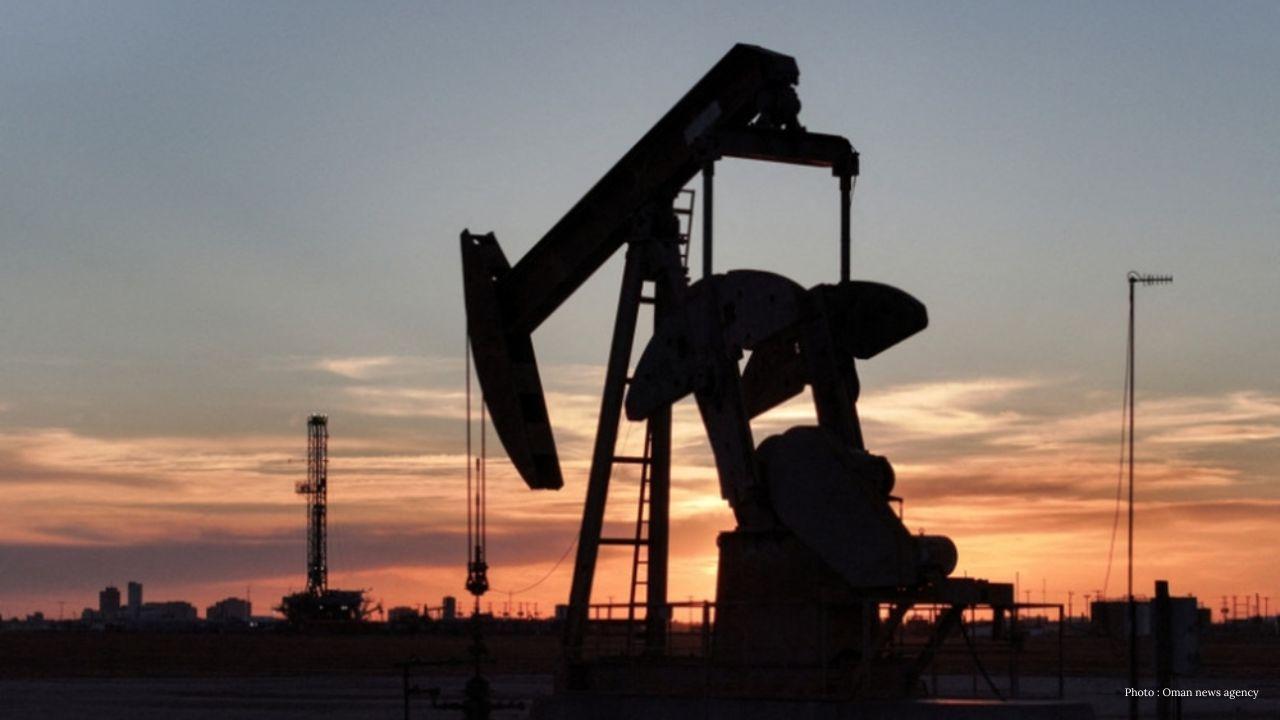
The war has killed thousands of people, disrupted global energy supplies, and increased pressure on oil markets worldwide.
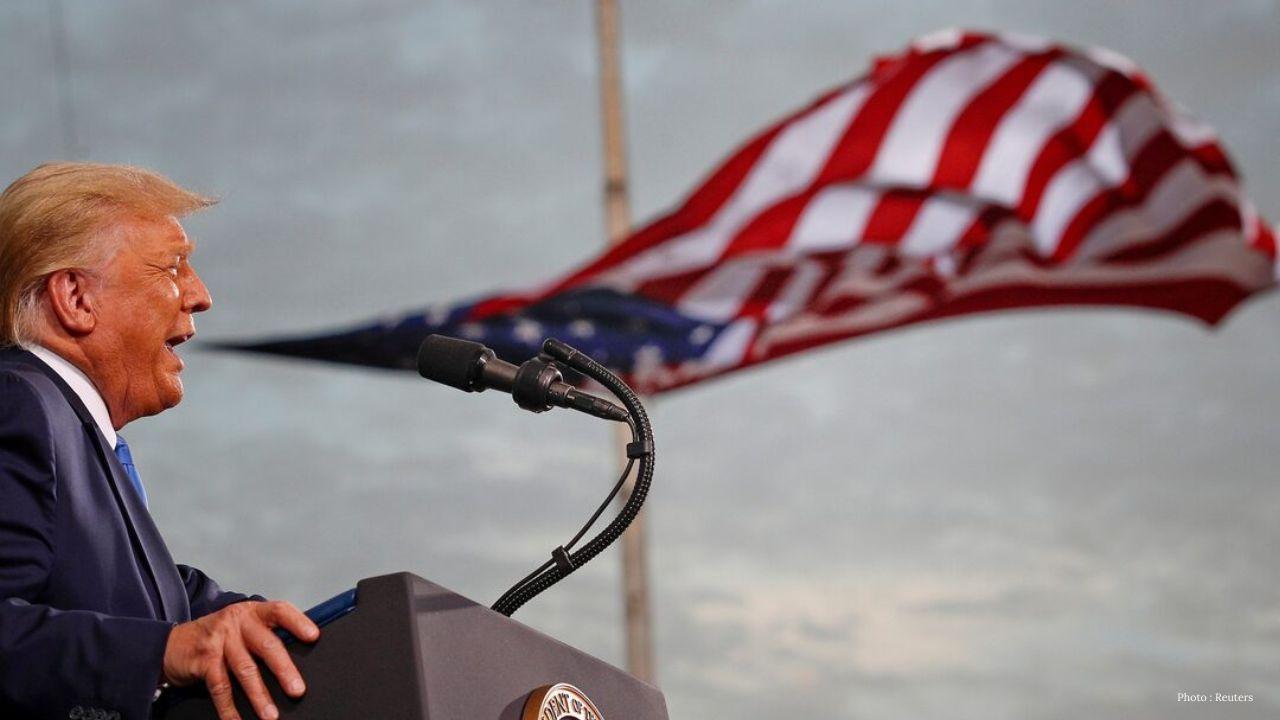
In a separate development, the White House announced that US President Donald Trump has extended the Jones Act waiver for 90 days. The decision allows non-American ships to transport oil and gas more easily during the ongoing crisis. The move is aimed at stabilizing global energy supply after tensions in the Strait of Hormuz affected shipping routes.
Earlier, the US had issued a 60-day waiver, which was seen as helpful in controlling rising fuel prices and improving oil transportation.
A White House spokesperson said updated data showed that more oil supply was reaching US ports faster than expected.
Following the announcement, Brent crude oil prices fell to around $104 per barrel after briefly rising above $107. Prices have increased sharply since the conflict began earlier this year.
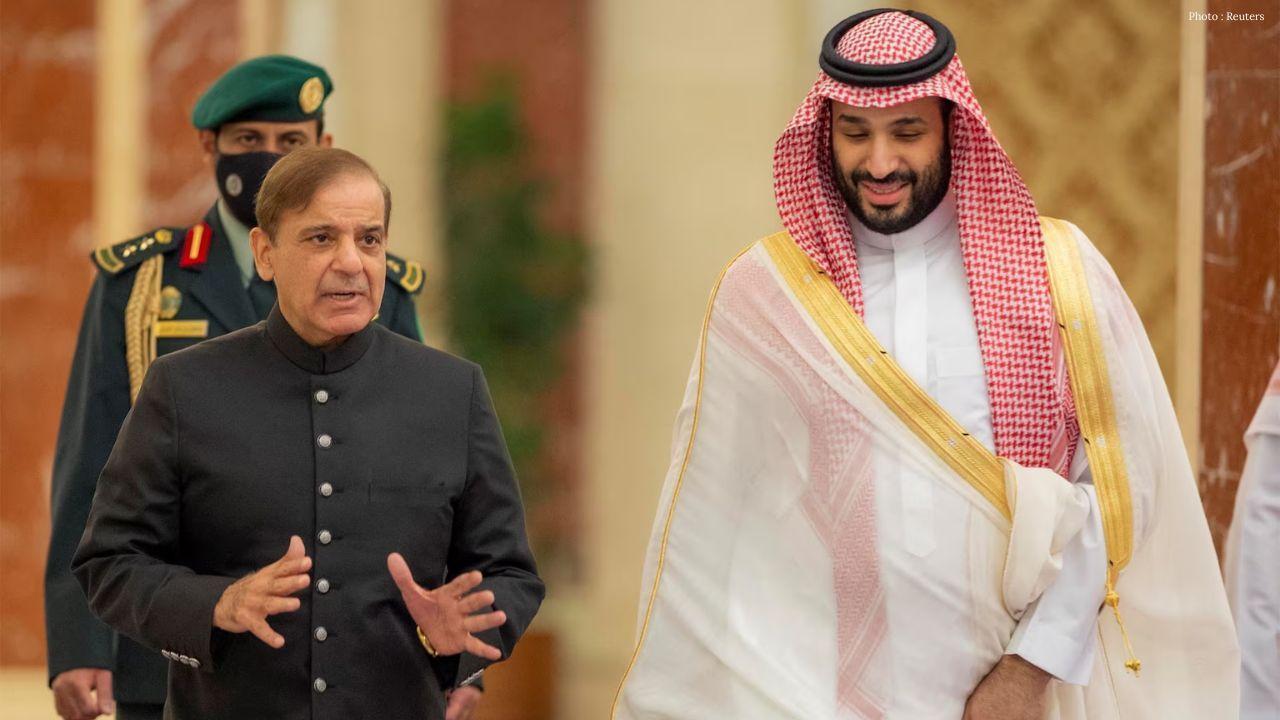
Pakistan has been playing a key mediating role. Araghchi recently held discussions with Pakistani Foreign Minister Ishaq Dar and Pakistan’s army chief Field Marshal Asim Munir. The talks focused on the ceasefire situation and efforts to resume US-Iran engagement.
According to Pakistan’s Foreign Ministry, both sides discussed regional developments and stressed the need for continued dialogue to restore peace and stability.
Meanwhile, tensions remain high in the Strait of Hormuz, a critical global shipping route for oil and gas. Iran has reportedly attacked multiple ships, while US forces have maintained a strong military presence in the region.
The United States currently has three aircraft carriers deployed in the area, including the USS George H.W. Bush, USS Abraham Lincoln, and USS Gerald R. Ford. This marks the first time since 2003 that three US carrier groups are operating in the region at the same time.
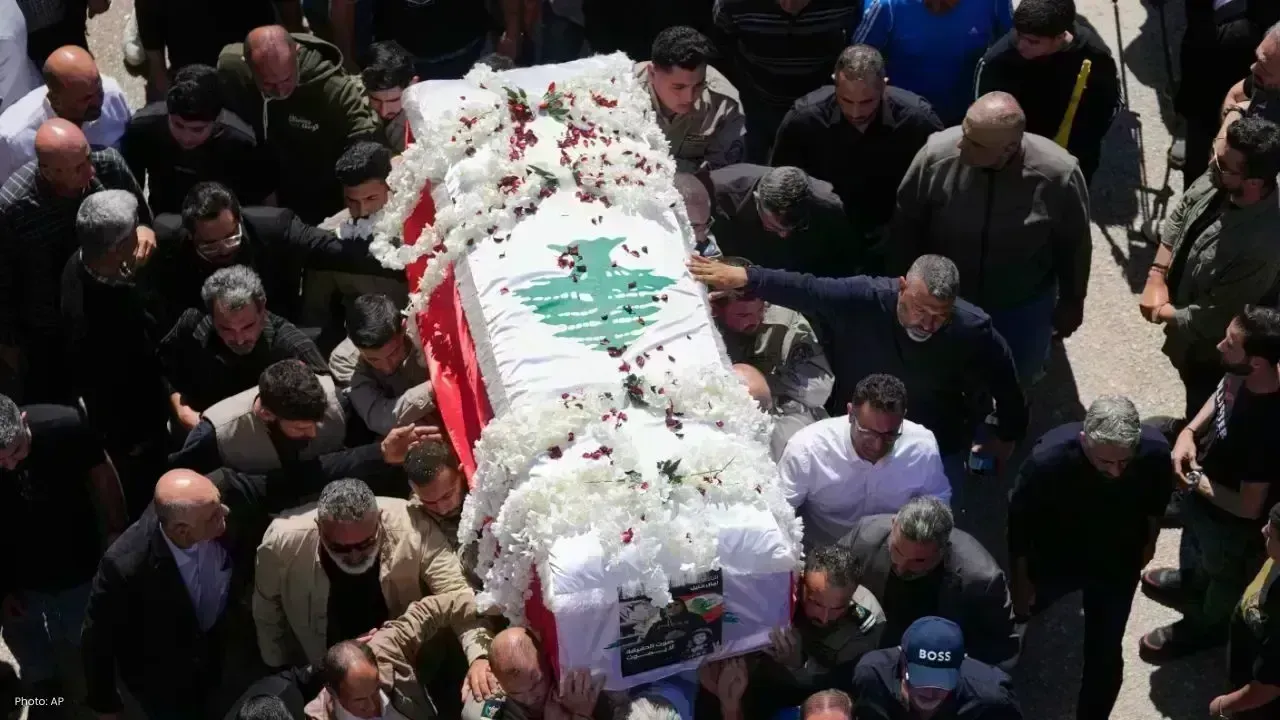
The conflict has resulted in significant casualties. Reports suggest over 3,300 deaths in Iran, more than 2,200 in Lebanon, 23 in Israel, and several others in Gulf countries. Both military personnel and civilians have been affected as fighting continues across multiple fronts.
Diplomatic efforts are now focused on preventing further escalation and bringing all sides back to the negotiating table.


 English