Post by : Saif
Al-Najjar
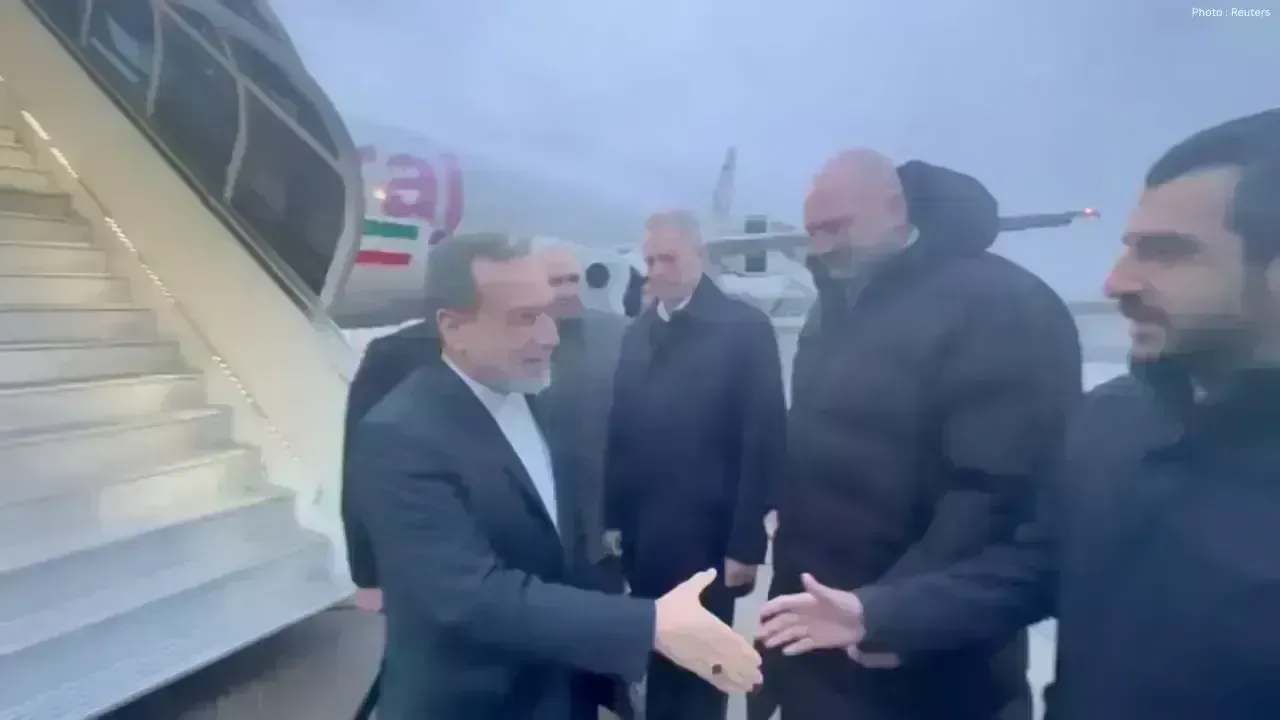
Iran's Foreign Minister Abbas Araqchi has headed to Russia amid escalating tensions with the United States. This trip comes after U.S. President Donald Trump indicated that Iran could "call" for talks, albeit with specific conditions attached. The current dialogue highlights both nations' inclination toward diplomacy, yet they remain far from a consensus.
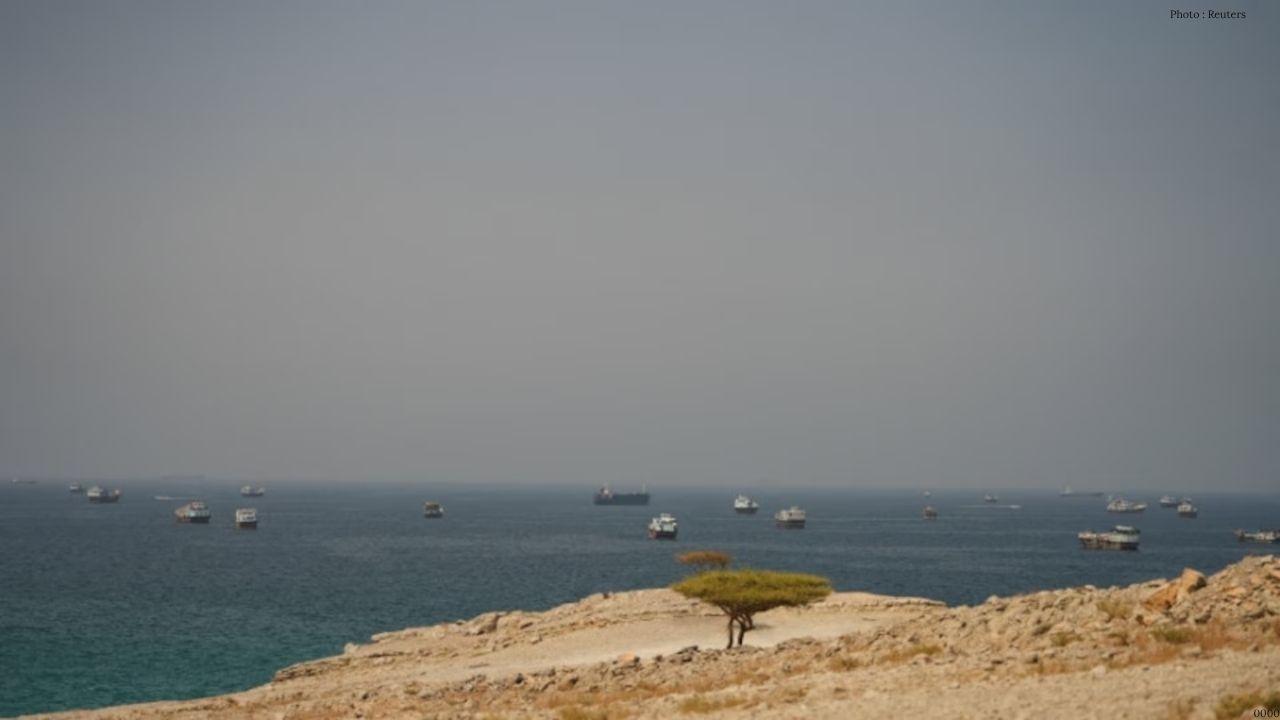
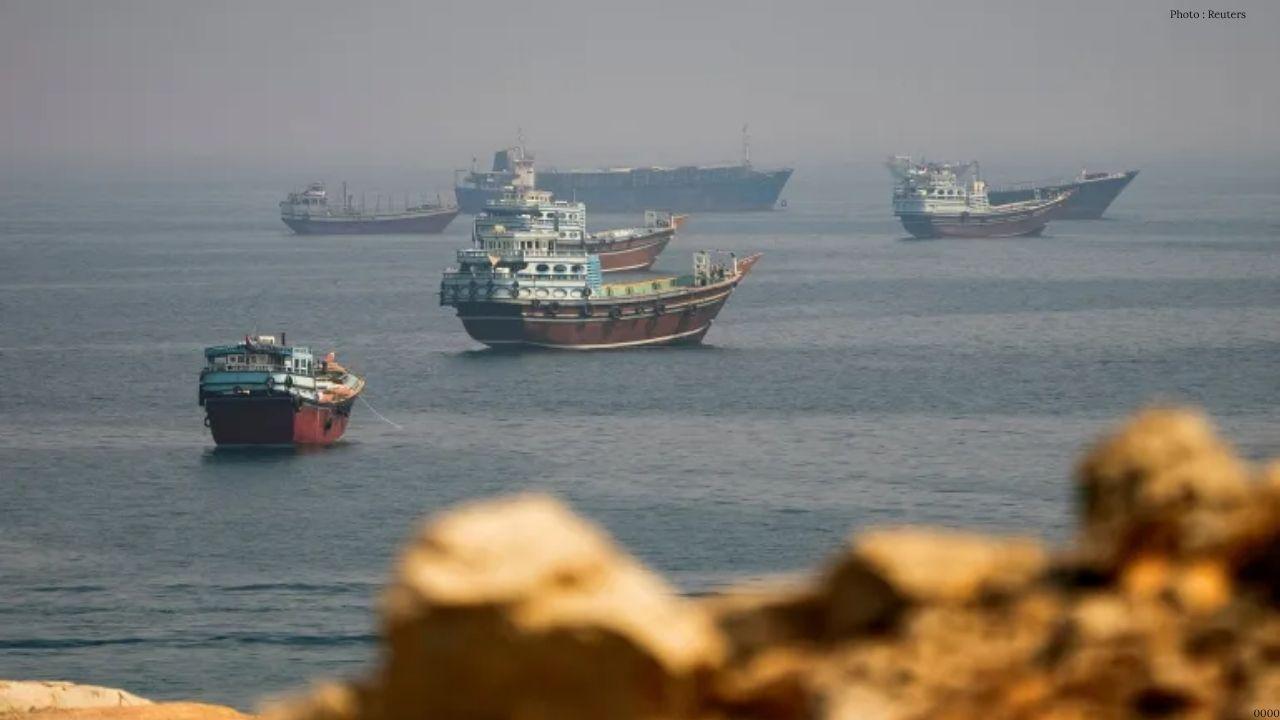
The strained relationship between Iran and the U.S. has persisted for weeks, fueling global concerns. This tension originated from military confrontations earlier this year, which raised fears of a broader conflict in the Middle East. Given the region's vital role in global oil supply, any instability there swiftly ripples through international markets, elevating anxieties worldwide.
By dispatching its chief diplomat to Russia, Iran aims to bolster relations with a key ally. Historically, Russia has lent support to Iran on the world stage, and the meeting with President Vladimir Putin might enhance Iran's diplomatic standing. Prior to his trip to Moscow, Araqchi visited Pakistan and Oman, two countries instrumental in relaying messages between Iran and the U.S. to ease tensions.
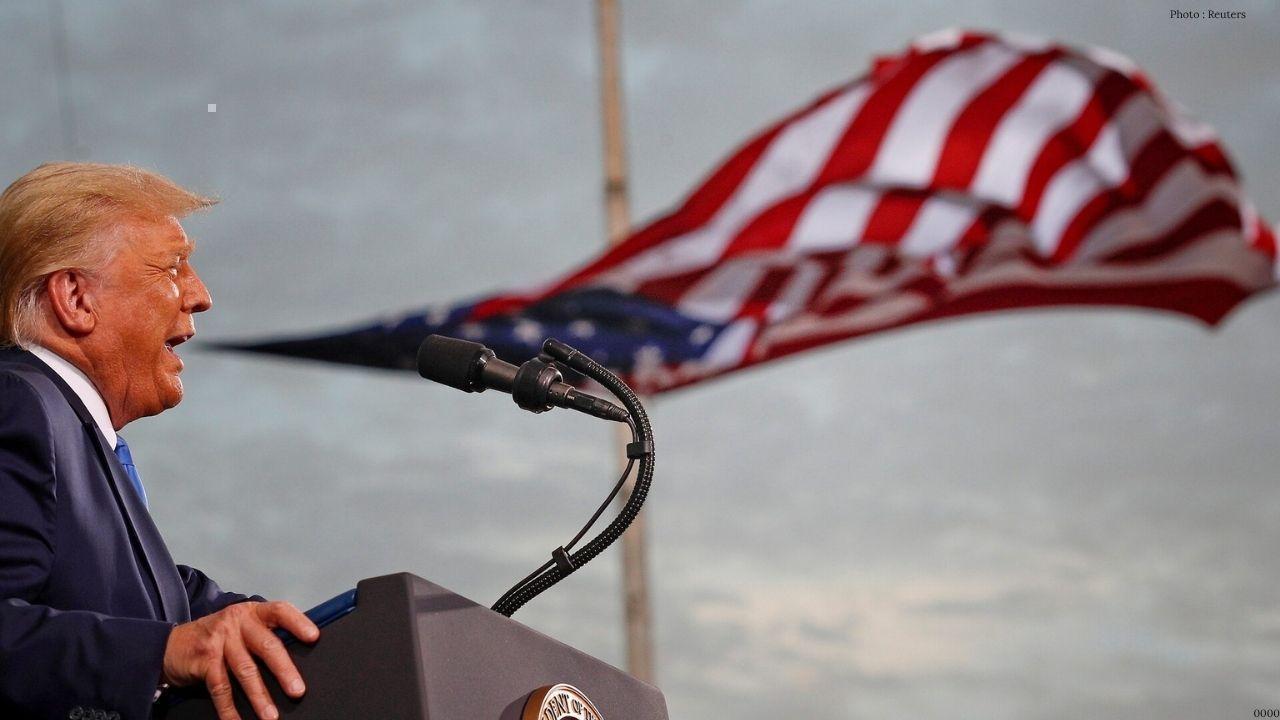
Meanwhile, President Trump has reiterated the U.S. stance of openness to dialogue, albeit under stringent conditions. He has stressed that Iran must abandon its nuclear ambitions, which is a pivotal demand. Trump asserts that if Iran is genuine about dialogue, it should proactively initiate contact. This straightforward message, however, points to a long-standing dilemma that has historically stymied negotiations.
Attempts to facilitate direct talks have faltered, including a planned meeting in Pakistan which was aborted when the U.S. declined to send its officials. This development injects further uncertainty into the situation, as both parties exhibit reluctance to engage fully in dialogue.
The core challenge revolves around differing agendas. The United States is intent on curtailing Iran's nuclear capabilities and diminishing its regional influence. Conversely, Iran is calling for the lifting of economic sanctions and recognition of its rights, particularly concerning its peaceful nuclear energy aspirations. These conflicting positions complicate efforts for progress.
Global stakeholders are closely monitoring developments. Major powers such as Russia and China advocate for peaceful resolutions, while neighboring countries express apprehension regarding the ongoing turbulence. This multi-faceted involvement underscores that the issue extends beyond a bilateral dispute, reflecting a broader global concern.
The situation is characterized by conflicting signals; while there are indications of a willingness to negotiate, actions like meeting cancellations and stringent preconditions reveal a significant trust deficit. This ongoing uncertainty makes predicting future developments challenging.
As Iran pursues diplomatic avenues and the U.S. maintains its firm prerequisites, the route to a peaceful resolution remains unclear. Genuine progress necessitates both sides to transition from rhetoric to actionable compromises. Until such a shift occurs, the environment is likely to remain fraught with tension and the possibility of conflict looming.


 English