Post by : Saif
Al-Najjar
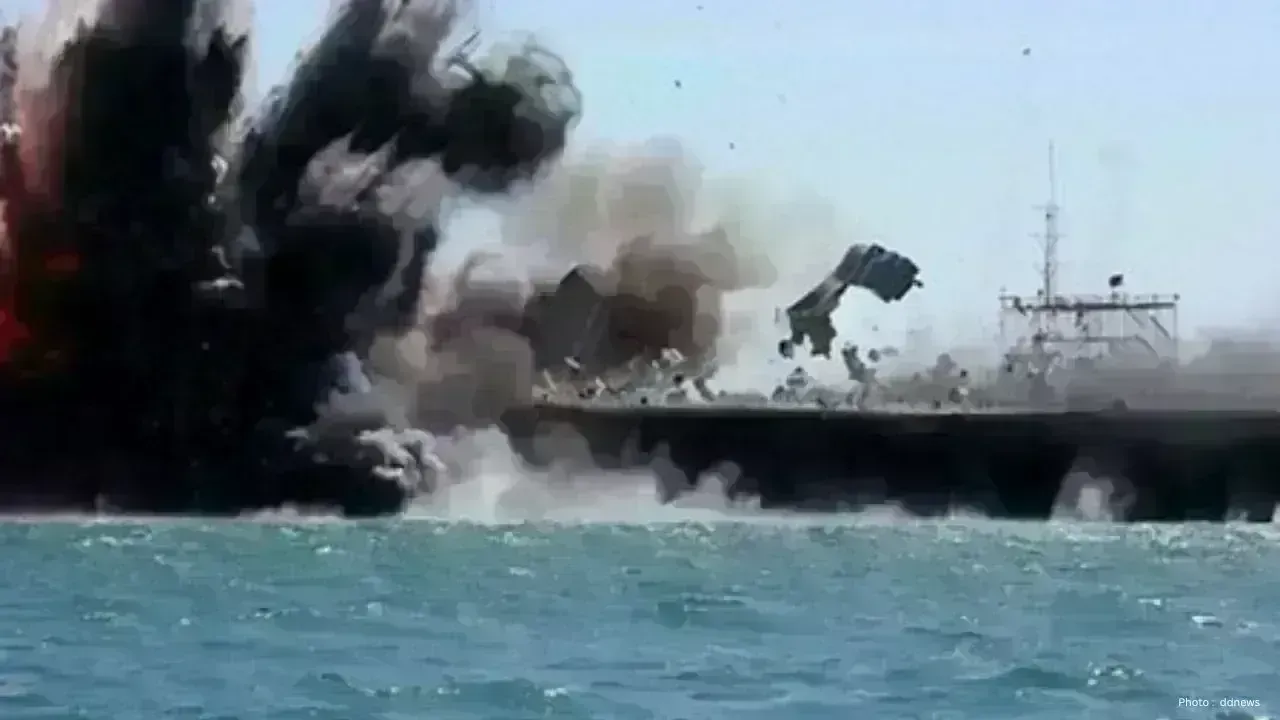
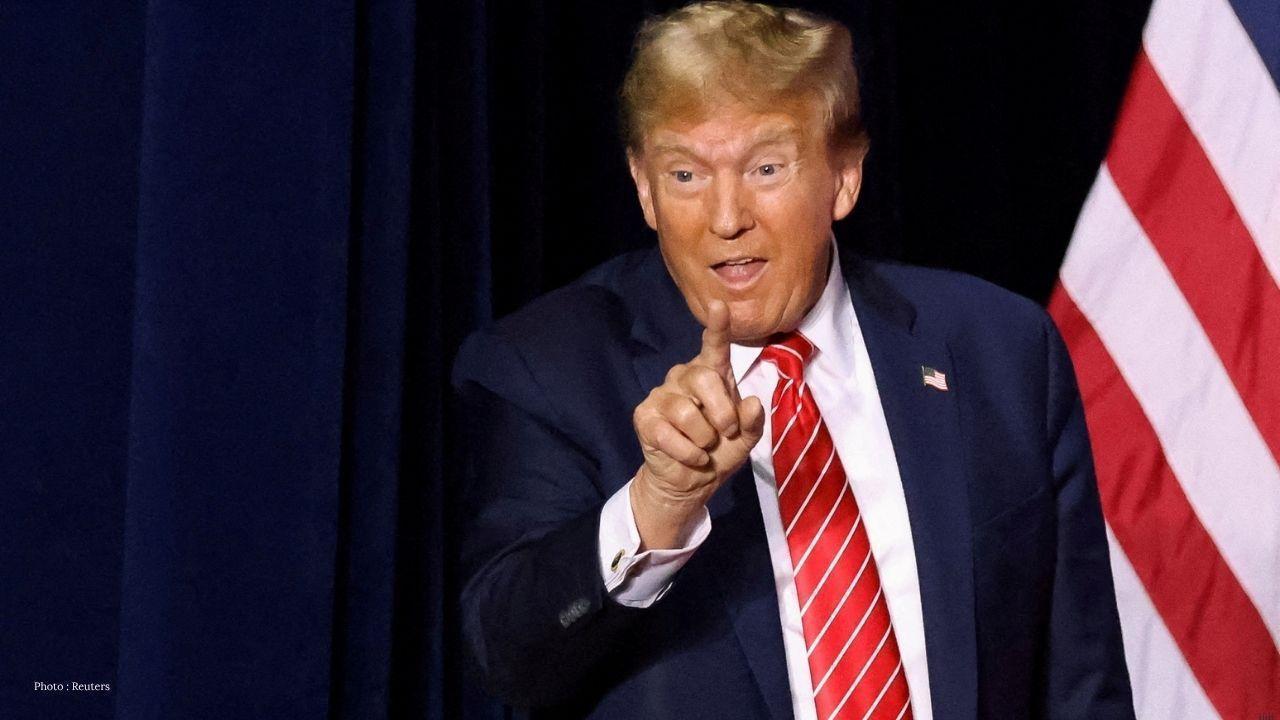
Iran has issued a stern warning following reports of military action linked to the United States, pledging that any hostilities against its territory will provoke a strong retaliatory response. The remarks from Tehran's officials have escalated international anxieties regarding increasing instability and the risk of a broader conflict.
High-ranking leaders in Iran affirmed their commitment to safeguarding the nation’s sovereignty and core interests against any foreign threats. They labeled the reported attacks as hazardous maneuvers that could further jeopardize diplomatic relations and security in the region.
This development unfolds amid an already delicate relationship between Iran and the United States, characterized by political discord over sanctions, military activities, and nuclear dialogues that have fostered tension over the years.
Iran maintains that its security and territorial integrity are non-negotiable. Representatives from the government reiterated that foreign pressure would not weaken the country’s strategic stance or policies.
Experts believe this latest round of warnings could complicate diplomatic efforts. Security analysts highlight that aggressive political rhetoric can contribute to uncertainty and amplify fears of military escalation.
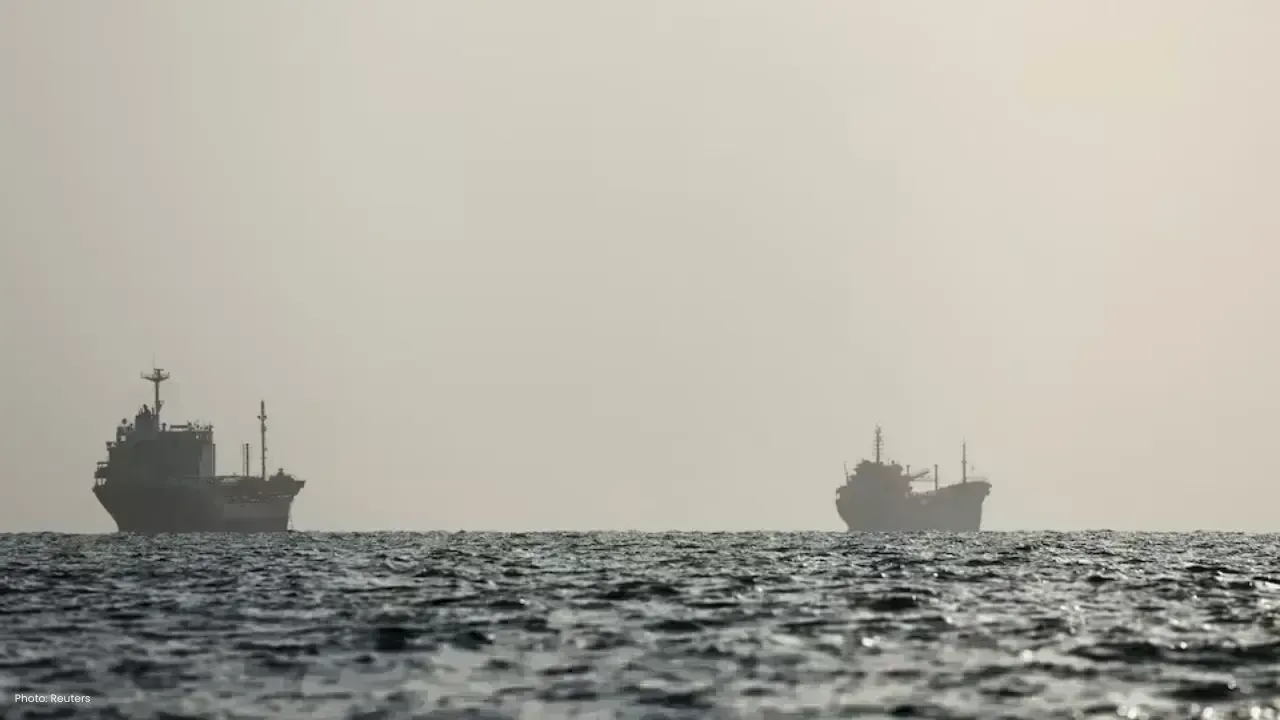
The international community is closely observing the scenario, noting that instability involving key global players can influence oil prices, trade routes, and overall investor confidence.
A range of countries and global organizations have called for restraint, urging all involved parties to steer clear of actions that could exacerbate tensions. Diplomacy continues to be promoted as the optimum route for preventing further clashes.
The historical context is marked by repeated conflicts and political tensions between the United States and Iran, revolving around issues related to military actions, alliances, and nuclear advances impacting diplomatic relations.
The present situation underscores the precarious nature of regional security, where even minor military incidents can swiftly affect global political and economic landscapes.
Economists caution that enduring instability can strain transportation costs, energy supplies, and commercial operations, prompting international companies to adopt a more cautious approach amid rising geopolitical risks.
Iranian officials have consistently asserted their commitment to resist external pressures in national policy. The responses post-reported attacks convey a resolve to act decisively if needed.
Simultaneously, observers emphasize the necessity for communication between nations to alleviate potential misunderstandings and avert widespread conflict. Diplomatic interaction is often viewed as vital during escalations of hostility.
Public sentiment varies significantly across nations, with some factions favoring strong defensive actions while others advocate for diplomatic negotiations and moderation.
Military analysts indicate that any significant escalation could lead to dire humanitarian and economic ramifications throughout the region, with civilians often bearing the brunt during extended periods of turmoil and conflict.
The recent warning from Iran has also reignited discussions regarding long-term strategies for regional stability and global security policies. Worldwide governments are carefully tracking these developments, as tensions with major powers can significantly steer international relations.
Political analysts predict that the future trajectory will hinge on the diplomatic choices made in the near term. Thoughtful negotiations and clear communication are critical in mitigating the chances of a deeper crisis.
International organizations persist in urging for peaceful resolutions and fostering initiatives to sustain stability. Many analysts believe that diplomacy is the most practical means of circumventing further violence and uncertainty.
This situation emphasizes how swiftly geopolitical disagreements can sway global security considerations, economic confidence, and diplomatic ties. As the world watches these rising tensions, it is anticipated that governments and international entities will remain engaged in vigilant observation of the evolving context.


 English