Post by : Saif
Al-Najjar
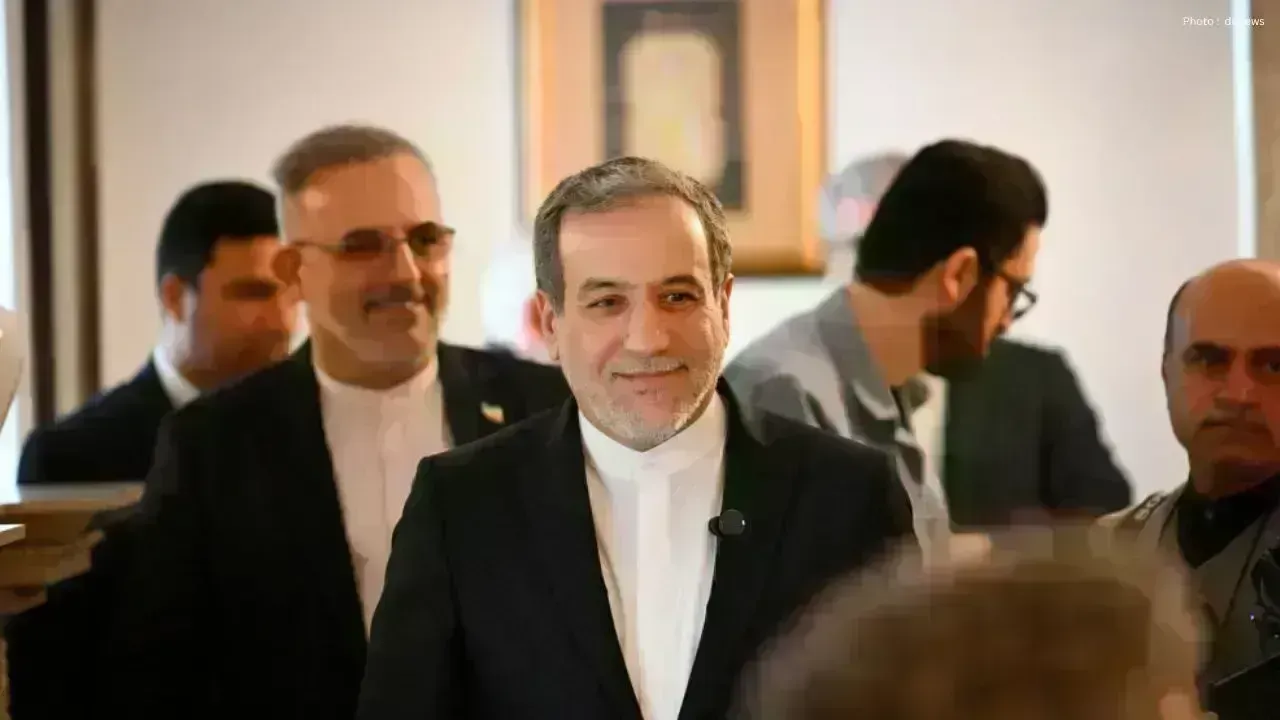
Iran has confirmed that diplomatic engagements with the United States are ongoing, yet no conclusive agreement has been established. This announcement arrives amidst escalating tensions in the region and heightened global focus on Tehran-Washington relations.
Officials from Iran indicated that communication remains active, and negotiations continue through various diplomatic channels. However, they acknowledged that significant differences still exist that hinder progress. This situation underscores the complex nature of conversations related to nuclear policy, regional security, and economic sanctions.
International scrutiny has intensified as the Iran-US relationship has consistently been fraught with challenges over the years. Issues such as political discord, sanctions, military encounters, and nuclear apprehensions have historically destabilized the Middle East.
Iranian representatives reaffirmed their commitment to diplomatic solutions for resolving conflicts. They mentioned that both indirect and direct negotiations are ongoing, often facilitated through international mediators and regional allies. Despite this, neither side has announced any major breakthroughs.
The US has expressed its willingness to maintain diplomatic dialogue while also exerting pressure on Iran concerning its nuclear activities and security issues. American officials view these negotiations as crucial for preventing escalation and ensuring regional stability.
The relationship between Iran and the US has seen numerous challenging periods, notably after the US withdrew from the 2015 nuclear agreement, known as the Joint Comprehensive Plan of Action (JCPOA), which was intended to curb Iran's nuclear ambitions in exchange for sanctions relief.
Following this withdrawal, sanctions against Iran were reapplied, which adversely affected its economy. In turn, Iranian authorities scaled back some commitments under the nuclear deal, prompting various rounds of negotiations aimed at reinstating mutual understanding.
Complicating factors include ongoing regional conflicts, particularly where armed groups supported by Iran are involved, which have raised concerns among Western nations and neighboring countries. Experts warn that a failure in diplomacy may heighten the risk of broader military confrontations.
Iran insists that its nuclear activities are for peaceful purposes and primarily aimed at energy generation. However, Western nations remain apprehensive about uranium enrichment levels and the potential for military applications. These issues represent significant barriers to effective negotiations.
Moreover, economic challenges stemming from international sanctions have severely impacted Iran's trade, banking, and oil exports, contributing to rising inflation and financial strains on citizens. Iranian lawmakers are adamant about achieving sanctions relief in any future agreement.
The region is closely watching these diplomatic discussions, recognizing that Tehran-Washington relations could significantly influence oil markets, shipping routes, energy costs, and overall security.
International observers suggest that both parties are keen to avert direct military encounters while safeguarding their political interests. Thus, diplomacy remains crucial despite its often slow-paced and uncertain nature.
Analysts note the complexity of Iran-US negotiations due to the multitude of interrelated issues, including nuclear discussions, potential prisoner swaps, economic sanctions, and military considerations.
Domestic public opinion in both Iran and the US also plays a crucial role in shaping diplomatic choices. Politicians from both nations face pressure from various political factions that hold divergent views on negotiations. While some advocate for compromise, others prefer a more confrontational stance.
Tehran's latest remarks signal that communication lines remain intact despite pronounced disagreements. Keeping these diplomatic channels open is often seen as a vital strategy for fostering understanding and mitigating challenges.
Nevertheless, the future outcomes of these discussions remain uncertain, with no explicit timelines for a potential agreement. Officials from both sides continue to express caution concerning the progress.
For the Middle East, the stakes tied to successful or failed diplomacy between Iran and the US are considerable. Enhanced communication might lead to decreased tensions and bolster economic stability, while a breakdown could exacerbate regional insecurity.
The global community is keenly focused on whether these diplomatic efforts can yield a lasting agreement that satisfies both Tehran and Washington. Until then, uncertainty is expected to persist within the broader geopolitical landscape.


 English