Post by : Shweta
Iran Retaliates After US Strikes Kill Five at Wedding
US-Iran conflict escalates as Tehran launches attacks on regional targets
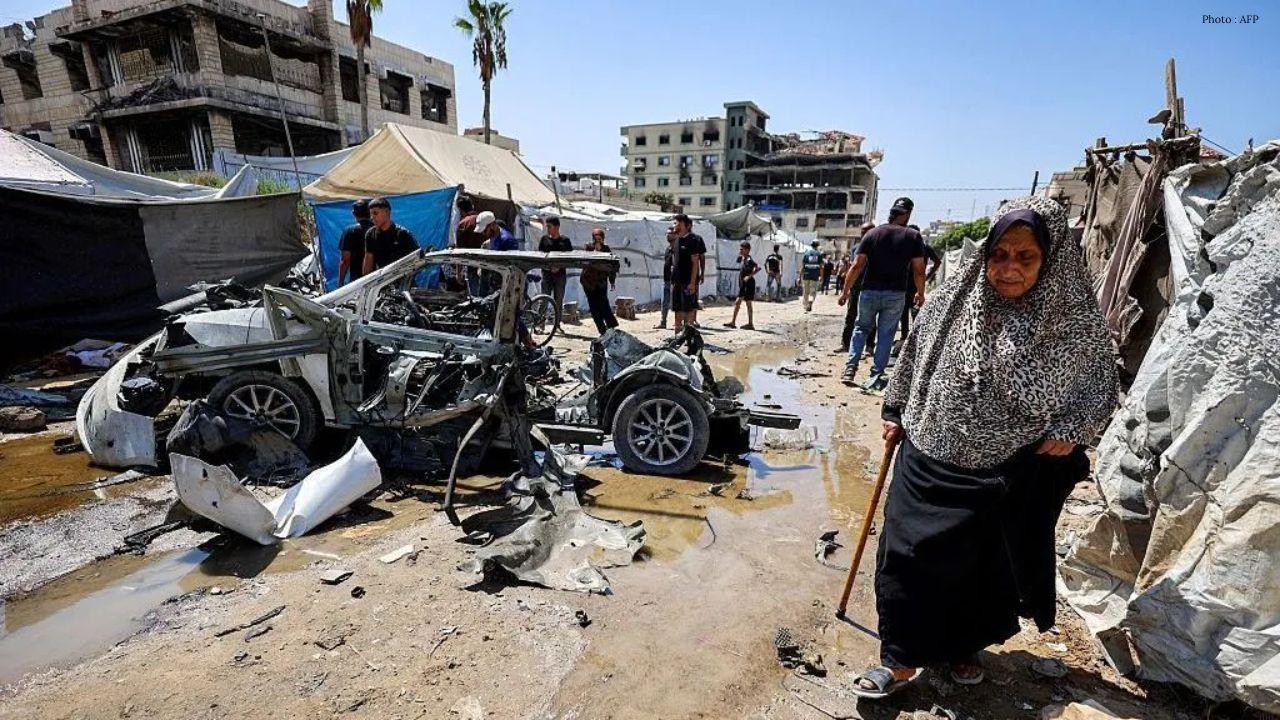
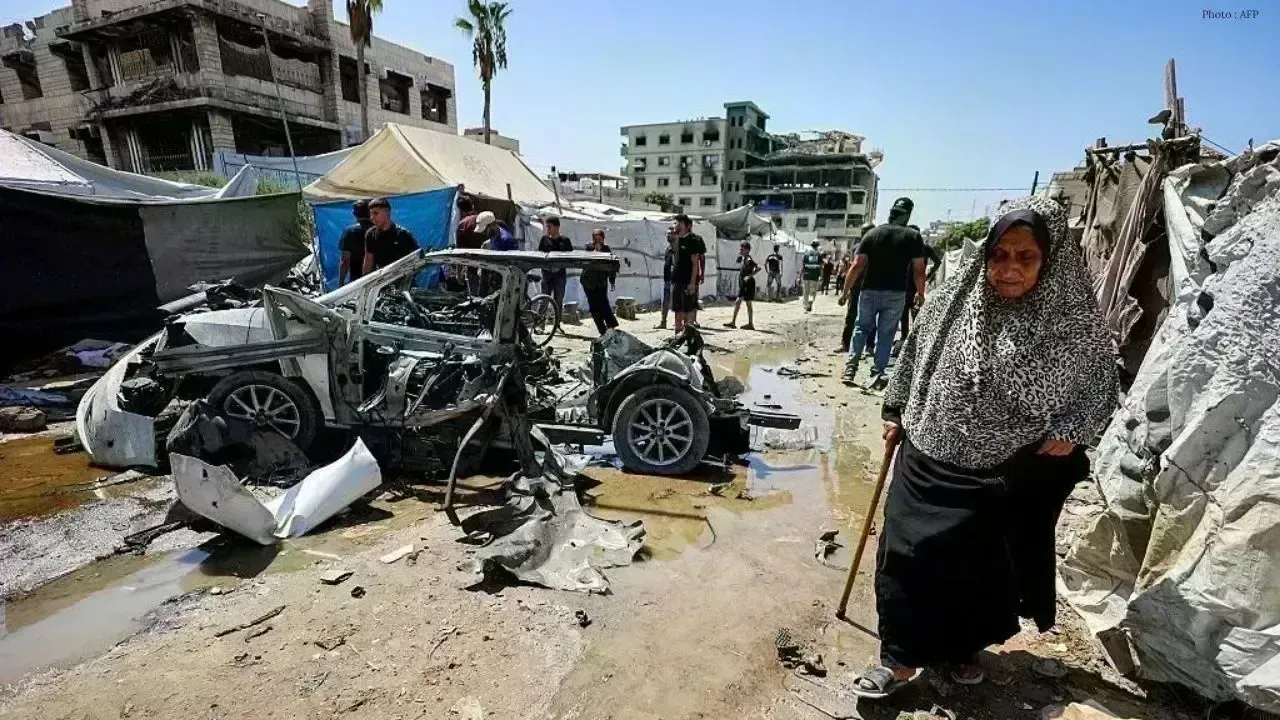
Iran has retaliated against U.S. military interests in the Middle East after American forces carried out a new wave of strikes against Iranian targets. The latest escalation came after an attack near Sirik in southern Iran, where Iranian authorities said five people, including a child, were killed and dozens were wounded during a wedding celebration.
Deadly strike reported near Sirik
The Iranian Red Crescent reported that the attack struck an area near Sirik on the coast of the Strait of Hormuz. Iranian news agencies reported that a four-year-old child was among those killed. The reported number of wounded has varied, with Iranian sources putting the figure at between 50 and 68 people. U.S. officials had not immediately issued a public finding on the reported civilian casualties.
Iran launches retaliatory attacks
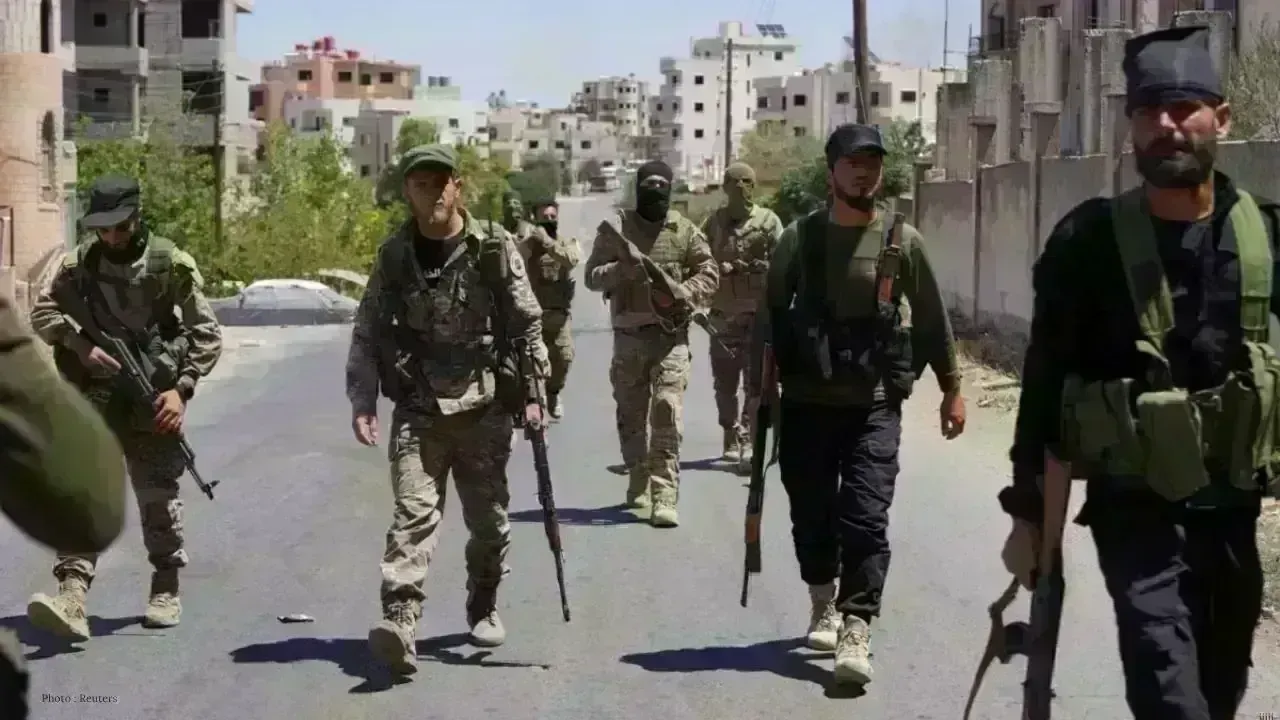
Following the U.S. strikes, Iran said it had attacked U.S. military assets in Jordan and Iraq, while Iranian state media also reported attacks involving Bahrain. Jordan said its air defences dealt with 13 ballistic missiles that entered its airspace, with 10 intercepted and three falling in remote areas. Jordan reported no deaths or injuries from that attack.
US says it targeted IRGC facilities
The U.S. Central Command said its latest military operation targeted facilities linked to Iran's Islamic Revolutionary Guard Corps, including air-defence sites, radar systems, maritime assets, mine-laying capabilities and communications facilities. The U.S. military said the latest wave of strikes had been completed by early Wednesday.
Strait of Hormuz faces fresh pressure
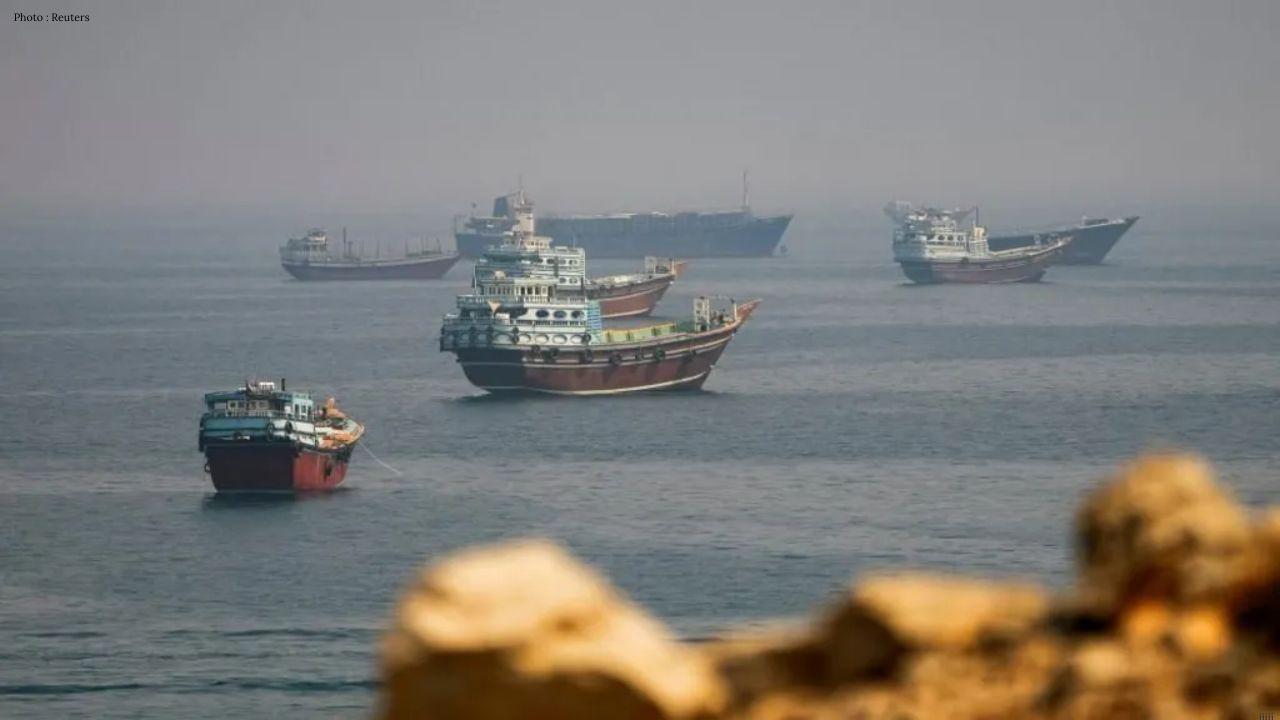
The military escalation is creating additional risks for commercial shipping through the Strait of Hormuz, one of the world's most important energy routes. Preliminary Kpler data showed only four commodity vessels passed through the strait on Tuesday, compared with a 10-day average of about 13. Iran has warned that the latest U.S. attacks could further restrict shipping through the waterway.
Oil prices rise as conflict intensifies
The renewed fighting has already pushed global oil prices higher. Brent crude rose above $95 a barrel in early Wednesday trading after gaining more than $4 on Tuesday. The Strait of Hormuz previously carried roughly one-fifth of global oil consumption, making any prolonged disruption a major concern for energy markets.
Trump warns Iran of tougher attacks
U.S. President Donald Trump has warned Iran that further retaliation could lead to even stronger American strikes. Iran, meanwhile, has threatened broader responses against the United States and countries cooperating with Washington. The exchange of threats has raised fears that the conflict could expand further across the Middle East.
Read more : Hilroy Map Error Leaves Newfoundland Off Canada Cover
Conflict puts diplomacy under pressure
The latest fighting represents the most serious exchange between the United States and Iran in several weeks and comes after a period of relative calm. Earlier diplomatic efforts to extend a ceasefire have failed to produce a lasting settlement, while new U.S. sanctions and continued disputes over the Strait of Hormuz have added further pressure.


 English