Post by : Shweta
Iran has put forth a proposal to reopen the strategically crucial Strait of Hormuz, contingent upon the easing of economic sanctions from the United States. This initiative presents a potential pathway for de-escalating tensions across West Asia. However, U.S. officials express hesitations regarding Iran's true intentions, causing doubts about the viability of the proposal as a means to achieve a significant diplomatic breakthrough.
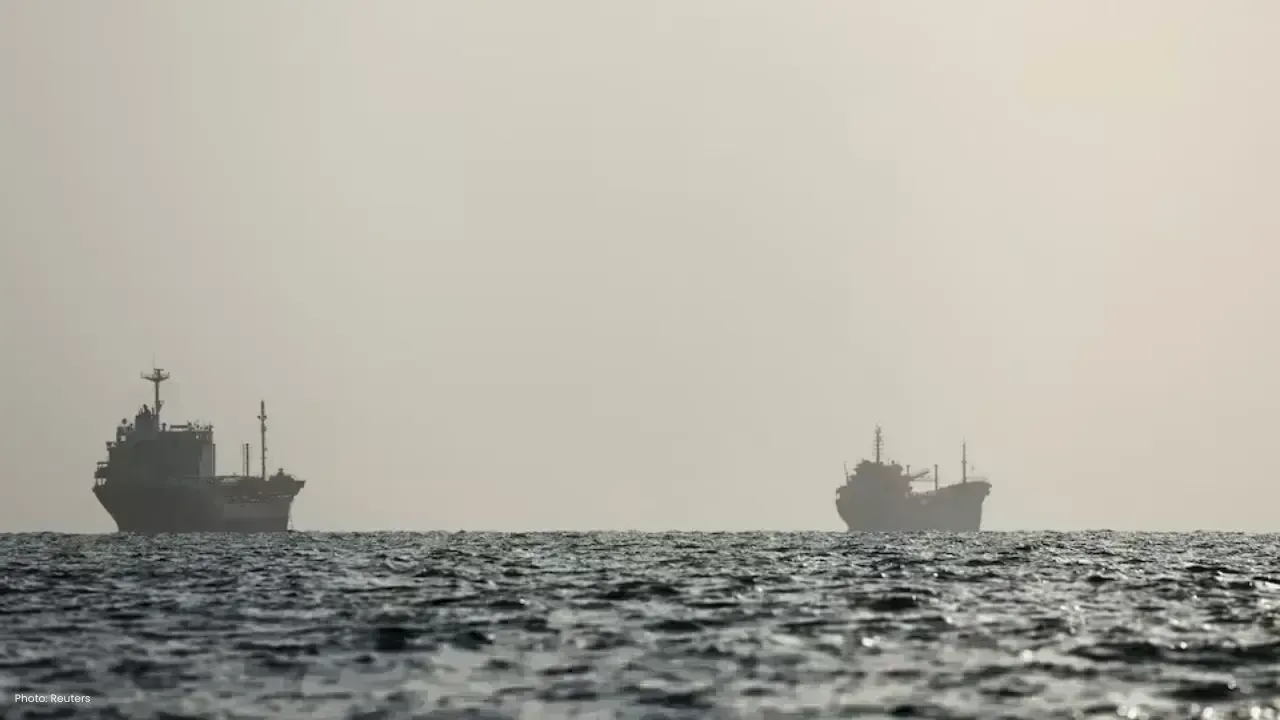
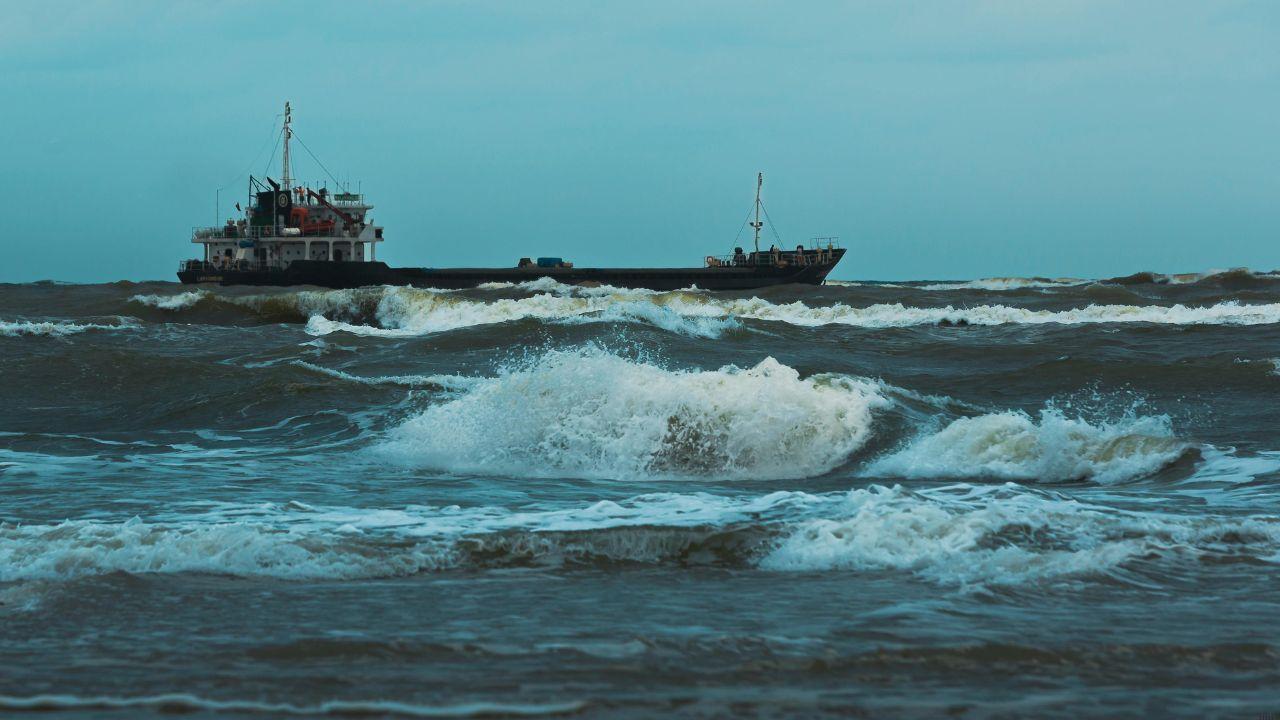
The Strait of Hormuz is vital for global oil transportation, with approximately one-fifth of the world's oil supply traversing its narrow passage. Disruptions in this area could have immediate repercussions on international energy markets and overall trade. Iran's latest proposal emerges against a backdrop of heightened military activities and economic strain resulting from the ongoing confrontation with the United States.
Tehran's officials assert that this proposal seeks to decouple the urgent maritime crisis from the more challenging nuclear dialogue. They argue that re-establishing safe passage and alleviating pressure in Hormuz could foster trust in gradual phases before engaging in comprehensive nuclear negotiations. Iranian leaders posit that ensuring free movement through this waterway would not only serve the global economy but also mitigate the likelihood of a larger regional conflict.
Foreign Minister Abbas Araghchi has been proactive in discussing the proposal with allies both regionally and internationally. Iran is also enhancing diplomatic efforts with countries such as Russia, Saudi Arabia, Oman, and Pakistan to garner support for this initiative and avert escalation.
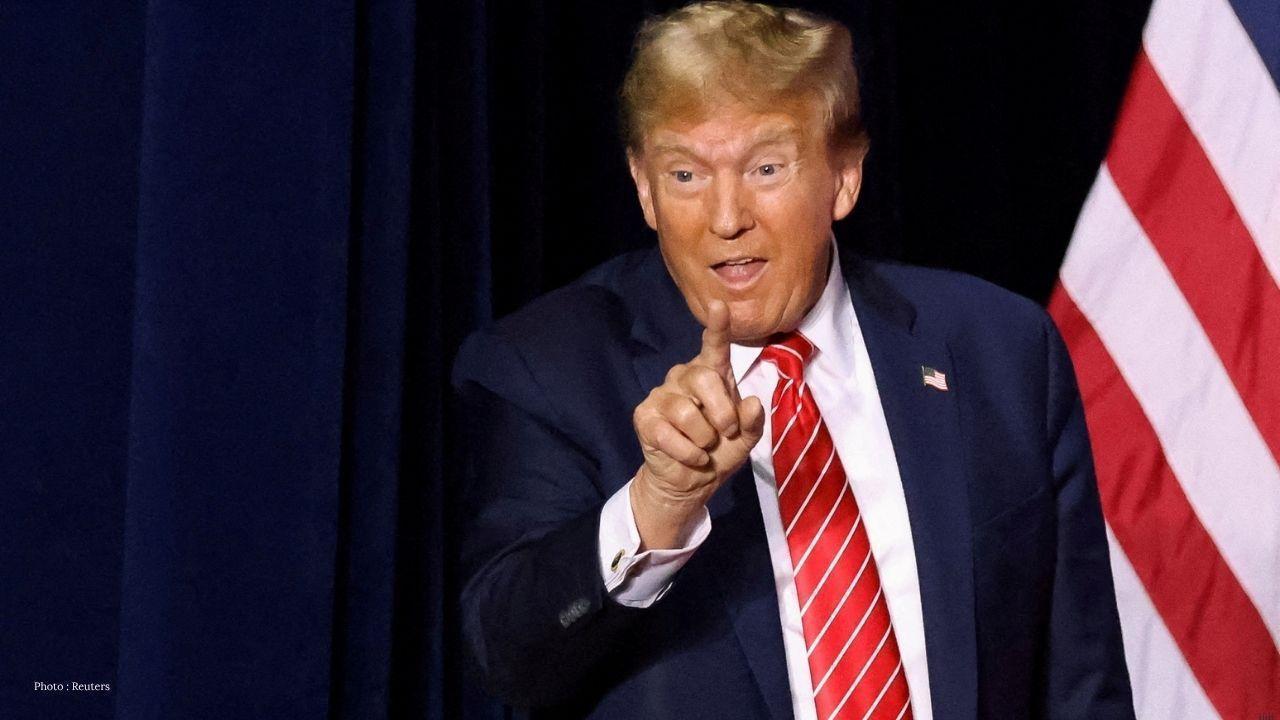
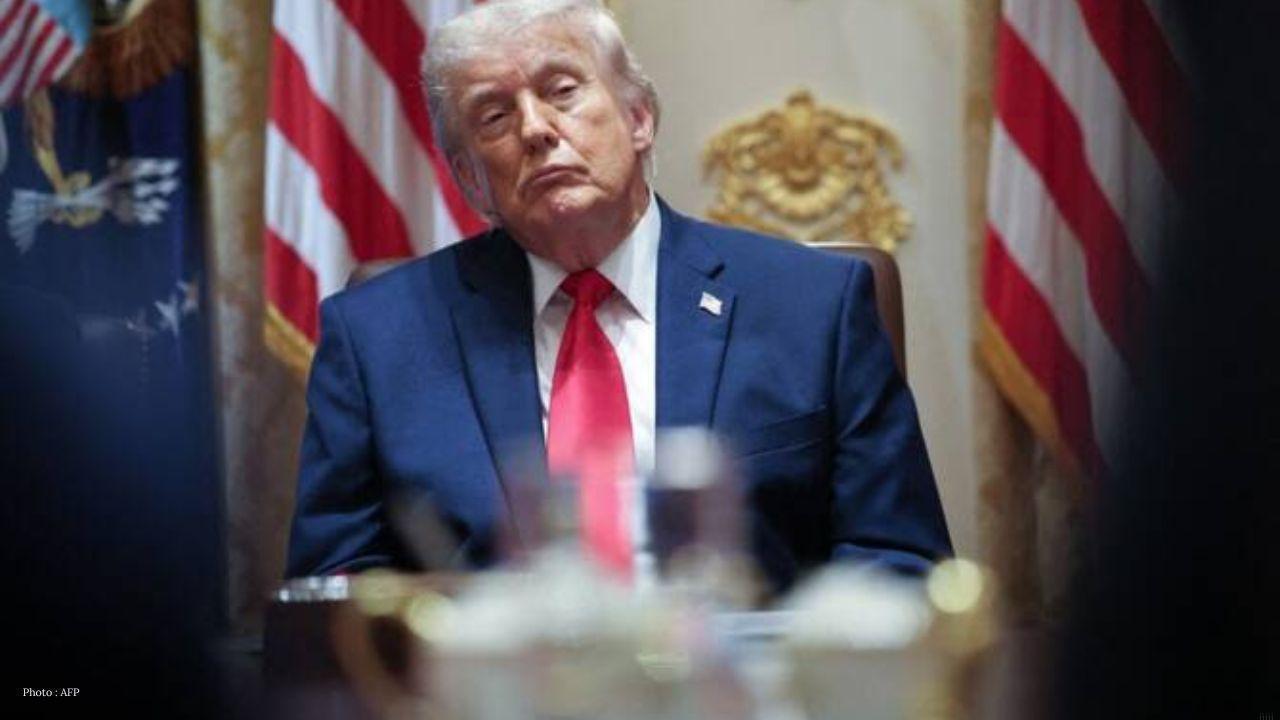
Nevertheless, reports indicate that the Trump administration remains skeptical of Iran's proposition. Senior U.S. officials believe that maintaining economic pressure will compel Tehran to yield to broader American demands, particularly concerning its nuclear program and military operations in the region.
Secretary of State Marco Rubio has voiced concerns about Iran's control over the Strait of Hormuz, asserting that the United States cannot accept any scenario where Iran dictates access to this crucial waterway, emphasizing that it must remain accessible under international law without politicization or security threats.
The nuclear dilemma stands as a significant challenge for any potential agreement between the United States and Iran. American officials demand assurances from Iran against developing nuclear weapons, while Tehran maintains that its nuclear program is solely peaceful, persistently denouncing Western sanctions and military pressures.
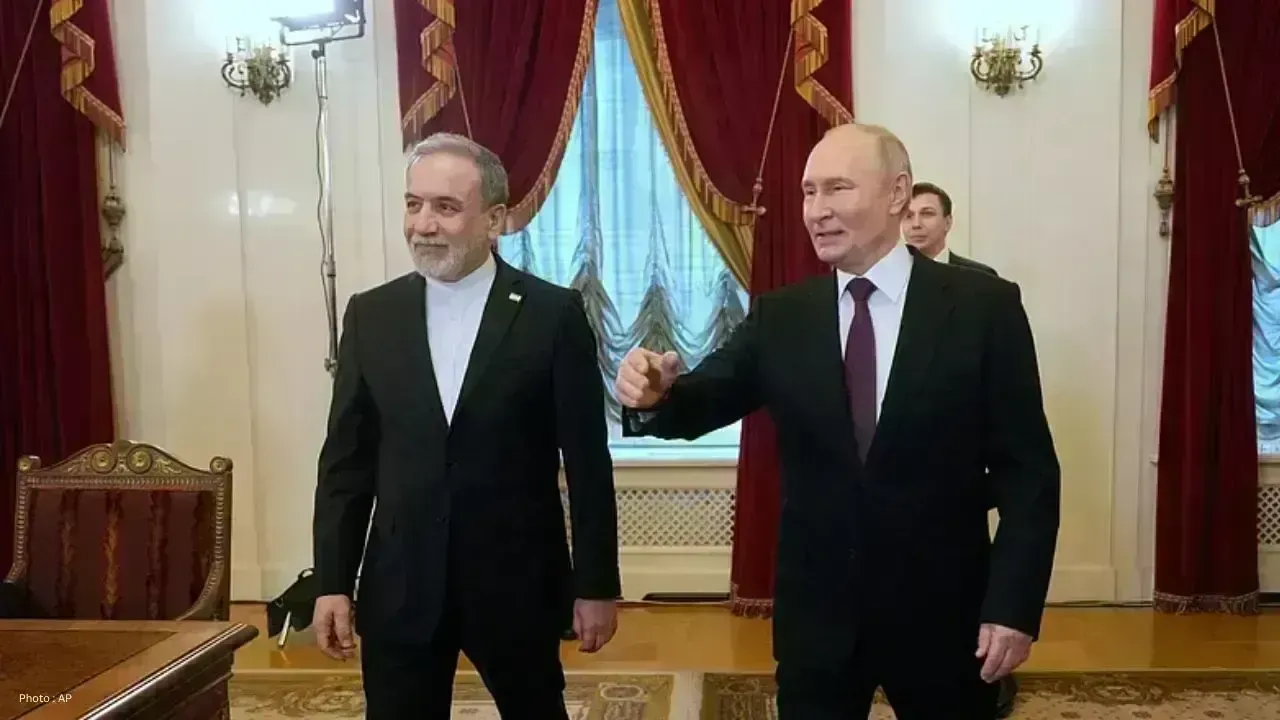
This situation has intensified global scrutiny on Iran's ties with Russia, with both nations enhancing their political and military partnership in recent years. During a visit to Saint Petersburg, Foreign Minister Abbas Araghchi engaged in discussions with Vladimir Putin regarding regional dynamics and Iran’s diplomatic overtures.
Russian authorities have openly endorsed efforts aimed at de-escalation and have called for peace in the Middle East. They have also condemned U.S. and Israeli military actions against Iran, categorizing them as destabilizing. There have been rumors regarding possible Russian intelligence support for Iran amid recent military conflicts, although Moscow denies any direct engagement.
Experts contend that the current situation is extremely fragile due to the Gulf region's economic significance and the potential for wider military confrontations. Any prolonged disruption within the Strait of Hormuz could have far-reaching effects on global oil exports, shipping routes, and energy prices. Nations across Asia and Europe are attentively monitoring these developments, given their heavy reliance on energy supplies that navigate this vital region.
Iran’s recent diplomatic endeavor is being perceived by some as a possible entry point for negotiations after months of hostility. Others, however, believe the entrenched distrust between Tehran and Washington may hinder any substantial advancements. Ultimately, the fate of the proposal appears heavily dependent on the willingness of both parties to seek compromise rather than escalate tensions further.


 English