Post by : Shweta
Iran War Reaches Six Months as Trump Shifts Focus
Washington turns toward economic pressure as conflict continues
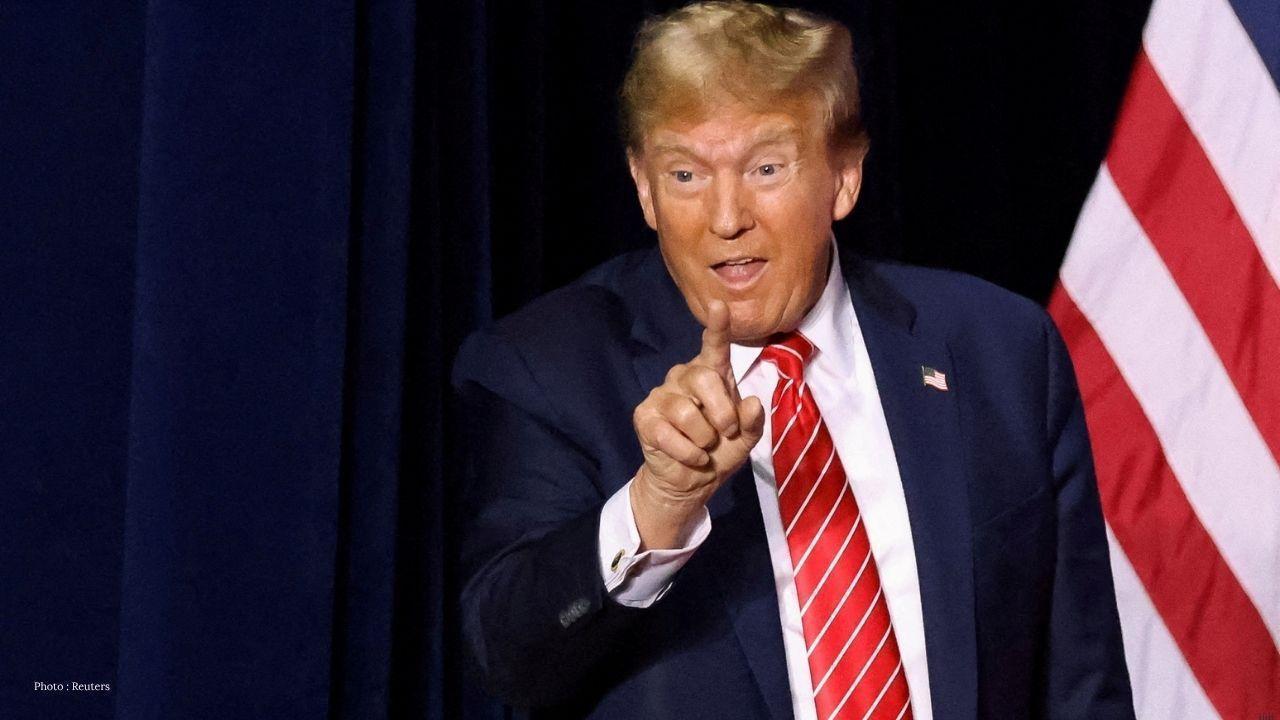
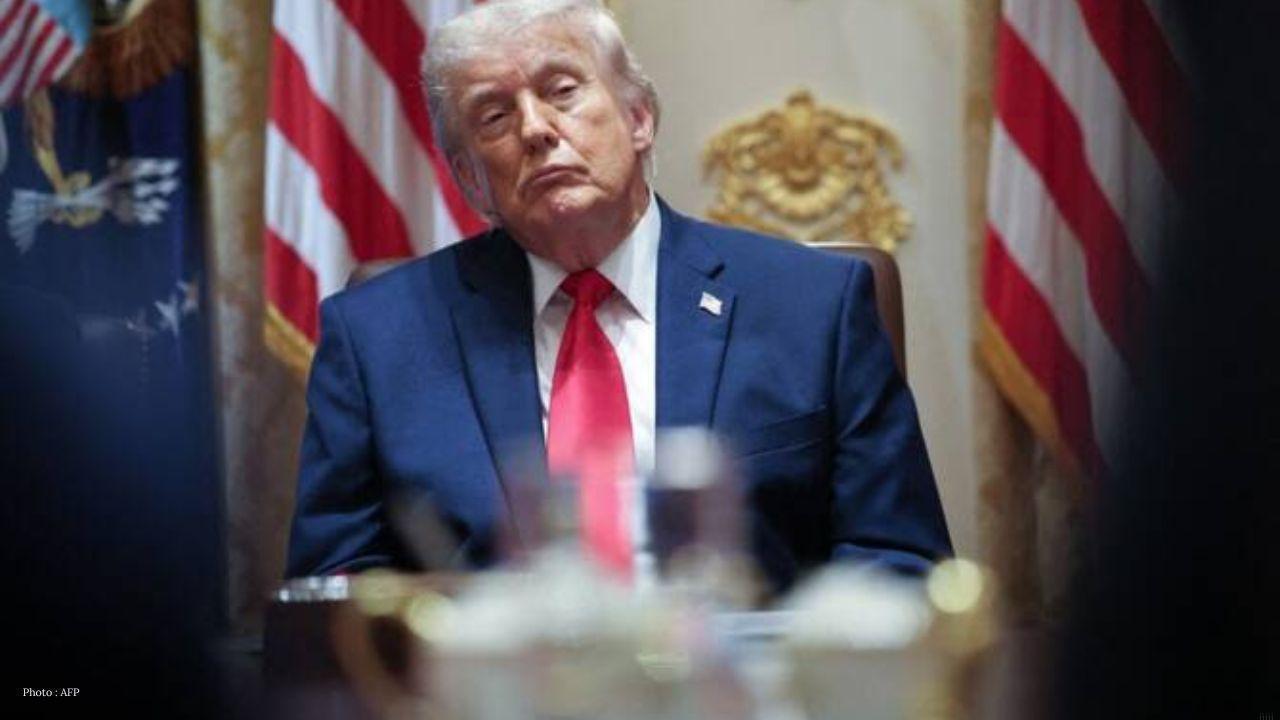
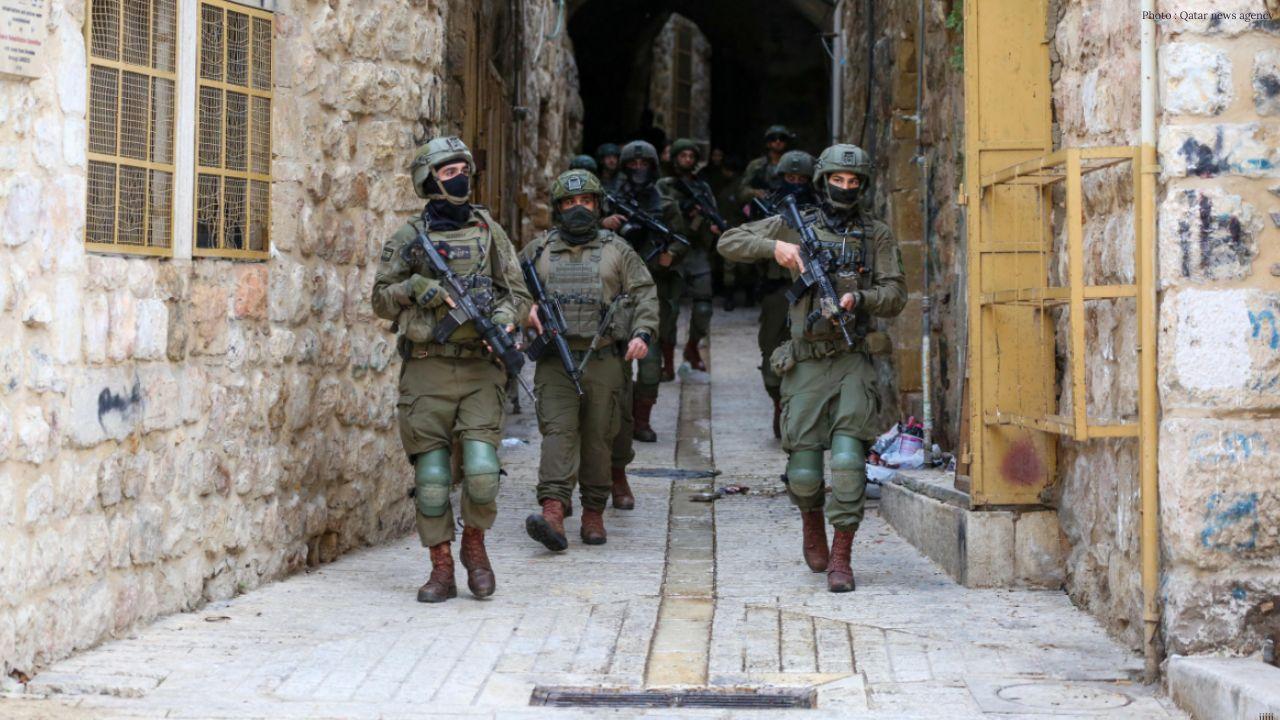
The war between the United States and Iran has reached the six-month mark, with the conflict continuing to affect military forces, civilians, energy markets and economies across the region. U.S. President Donald Trump has recently given mixed signals about the future of the conflict while his administration increasingly emphasizes economic pressure on Tehran.
Trump said the combination of U.S. military strikes and the blockade of the Strait of Hormuz had helped Washington achieve its objectives. On Wednesday, he shared a social media post declaring “MISSION ACCOMPLISHED 2026.” The post included AI-generated images featuring Iran’s former supreme leader Ayatollah Ali Khamenei, who was killed on Feb. 28 when the U.S. and Israel began their air campaign against Iran.
Military and civilian costs remain a major issue
The conflict has continued to draw criticism from some members of the U.S. Congress. Democratic Rep. Adam Smith said Friday that 19 American service members had been killed and more than 750 wounded. He also said thousands of civilians had been killed across the region and argued that the war was increasing costs for American households while putting additional pressure on economies worldwide.
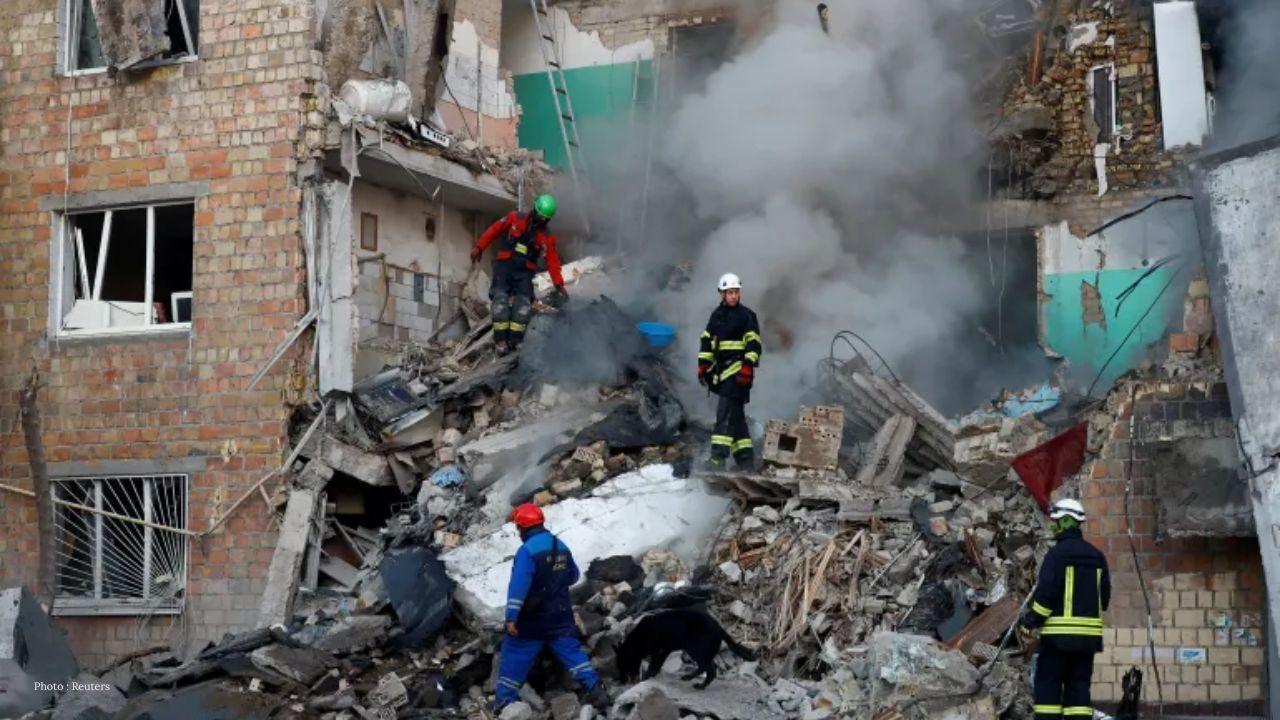
Read more : Russia Strikes Kyiv as Drones Wound Dozens Across Ukraine
The financial burden of the conflict has also become a major political issue in Washington. U.S. Defence Secretary Pete Hegseth estimated in July that the war had cost the American military about $37.5 billion US. Democrats and some policy organizations have argued that the actual cost could be higher because of the large quantities of missiles and other military equipment used during the conflict.
Strait of Hormuz remains at the centre of the crisis
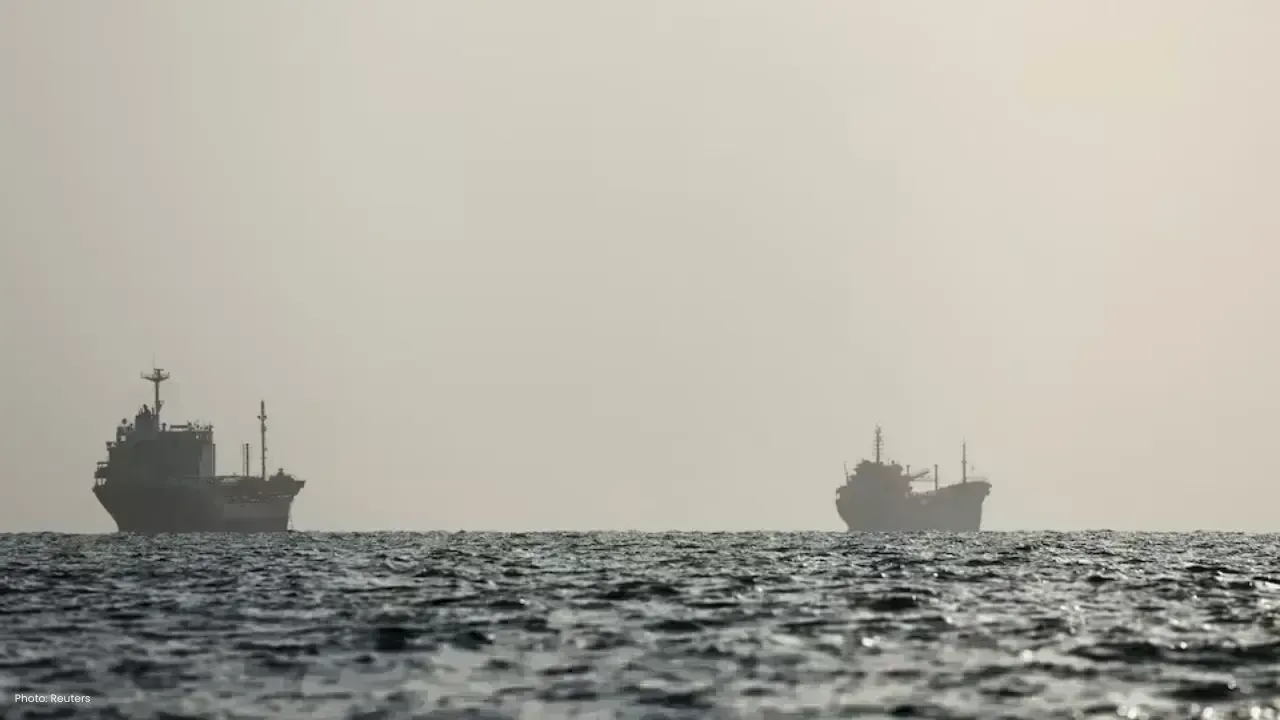
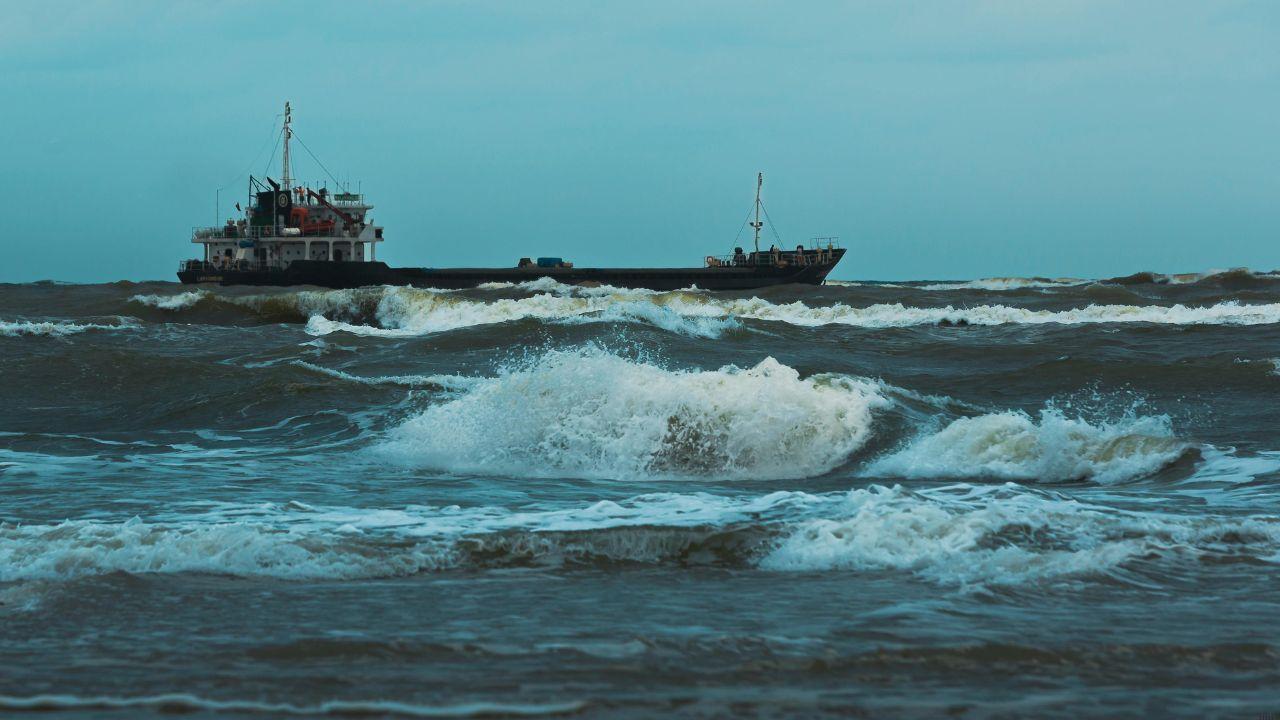
The Strait of Hormuz has become one of the most important pressure points in the conflict. Iranian drone attacks and reported mining activity discouraged some commercial vessels from using the strategic waterway. The United States later imposed a naval blockade aimed at restricting shipping to Iranian ports.
Although Trump has repeatedly said the strait is open, ship-tracking services cited in the report estimate that traffic remains at only about 5 to 15 per cent of pre-war levels. The disruption has affected energy markets and contributed to higher fuel costs, adding pressure to consumers and businesses far beyond the Middle East.
Iran faces severe economic pressure
Iran has also suffered major economic consequences from the war. The report says rice prices have increased by about 60 per cent since the conflict began, while beef prices have risen by around 150 per cent. Long lines at fuel stations have added to the pressure faced by ordinary Iranians.
The International Monetary Fund is forecasting that Iran's gross domestic product will contract by more than five per cent this year. The Trump administration is now putting greater emphasis on economic measures designed to weaken Tehran. Treasury Secretary Scott Bessent recently announced what the administration calls “Operation Economic Outcast,” warning international trading partners about maintaining financial ties with Iran.
Trump faces pressure at home and abroad
The conflict is also creating political challenges for Trump. Some lawmakers have called for the war to end, while Republican opposition remains limited. Rep. Thomas Massie has criticized the administration over the continuation of U.S. military involvement and argued that Congress should have a greater role under the War Powers Act.
At the same time, Trump is increasingly focused on U.S. domestic politics ahead of the November 3 midterm elections. His attention has also been drawn toward tensions with Canada after Ottawa called off trade talks, according to the CBC report. These domestic political developments have come as Washington continues to weigh its next steps toward Tehran.
No immediate return to negotiations
Trump said this week that he was “not in a hurry” to bring Iran back to the negotiating table, despite previously stressing the importance of reaching an agreement to prevent Iran from developing a nuclear weapon. There are currently no direct talks between Washington and Tehran, although third parties have remained involved in diplomatic efforts.
The United States is also reportedly preparing to return some diplomatic personnel to Middle Eastern missions that were reduced or evacuated during the fighting. Staff are expected to return to posts including Lebanon, Israel, Saudi Arabia and Iraq, although the missions will initially operate below full capacity. Analysts quoted by CBC remain pessimistic about a quick resolution, warning that the conflict could continue for an extended period.


 English