Post by : Shweta
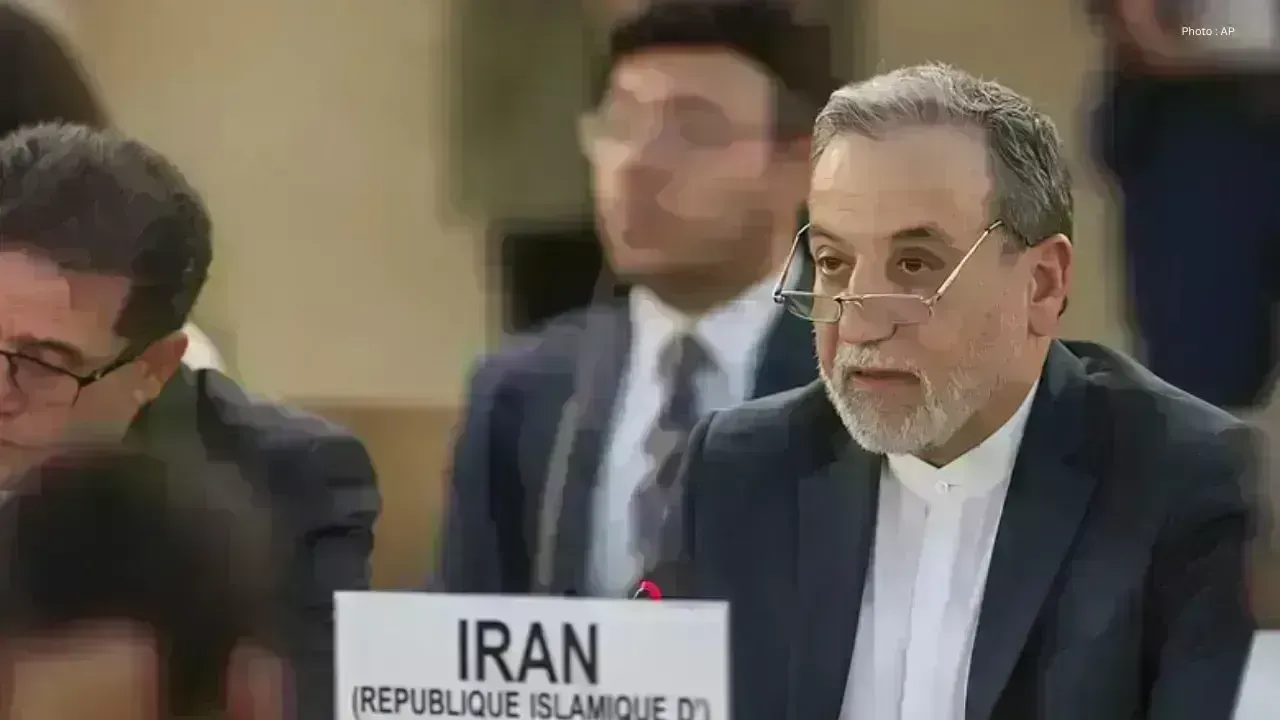
Abbas Araghchi, Iran's Foreign Minister, is traveling to Islamabad as part of a crucial diplomatic initiative aimed at reviving discussions with the United States. This trip coincides with escalating tensions in the region, where Pakistan is playing a pivotal role as a mediator between Washington and Tehran.
Prior to his journey, Araghchi engaged in phone discussions with Ishaq Dar and Asim Munir, addressing the current regional dynamics, the ongoing ceasefire, and the push to resume US-Iran negotiations. Officials from both sides characterized these conversations as productive, underscoring the need for sustained dialogue.
The Iranian diplomat is set to arrive in Islamabad with a small delegation for meetings with Pakistan’s political and military leaders. Although initial reports suggested that this visit could lead to direct talks between the US and Iran, Iranian officials have framed it as part of a broader diplomatic agenda including stops in Oman and Russia. This indicates Iran’s careful and calculated approach in maintaining communication.
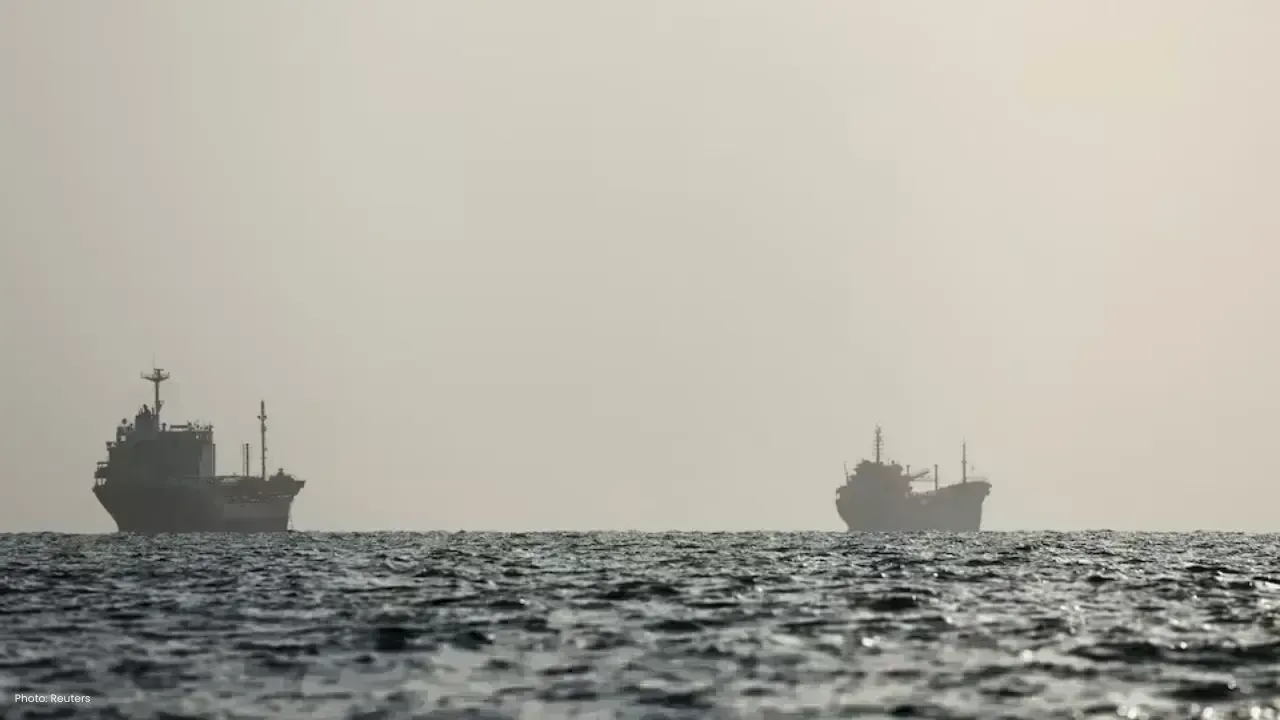
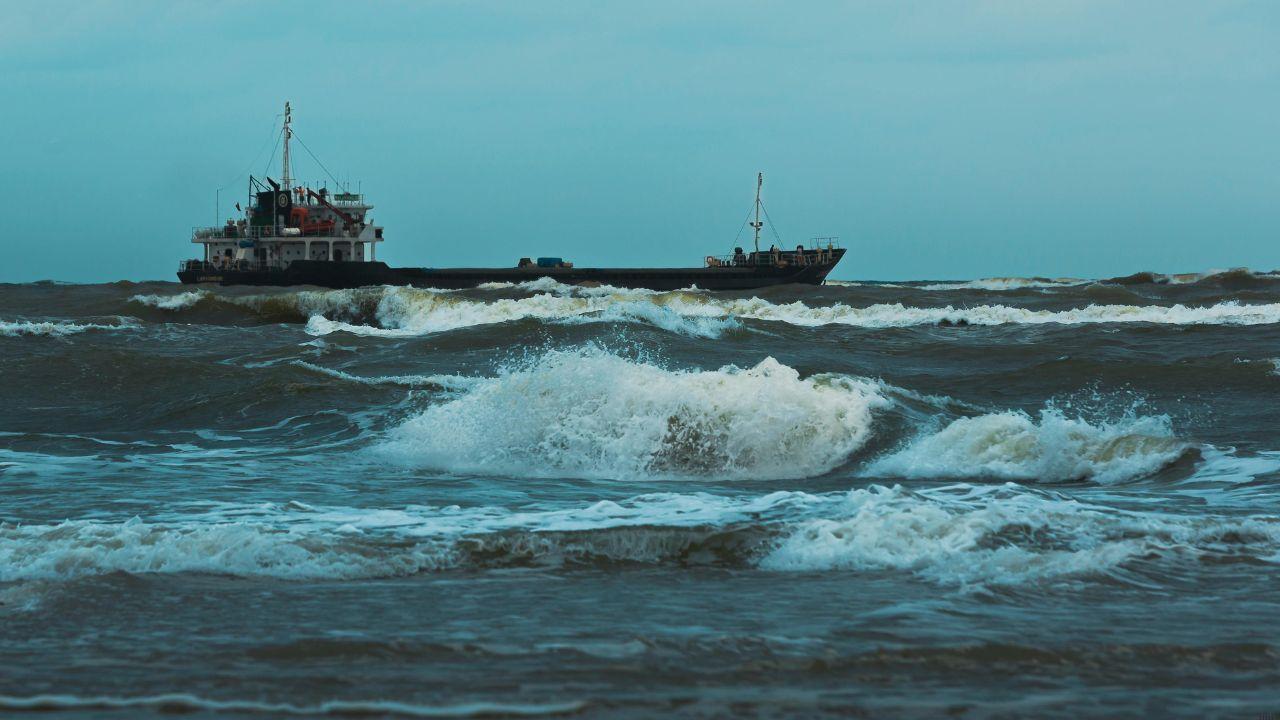
A significant hurdle in the negotiations is the US-imposed naval blockade on Iranian ports, which Iran claims must be lifted for talks to proceed. The US has yet to agree to this condition, presenting a major barrier to progress.
Pakistan has been proactively working to reduce regional tensions and facilitate dialogue. Officials in Islamabad are optimistic that their recent diplomatic maneuvers could pave the way for a breakthrough. Reports indicate that logistical preparations for a potential second round of discussions are already underway in the capital, though there is no official word on the timing or participation of a US delegation.
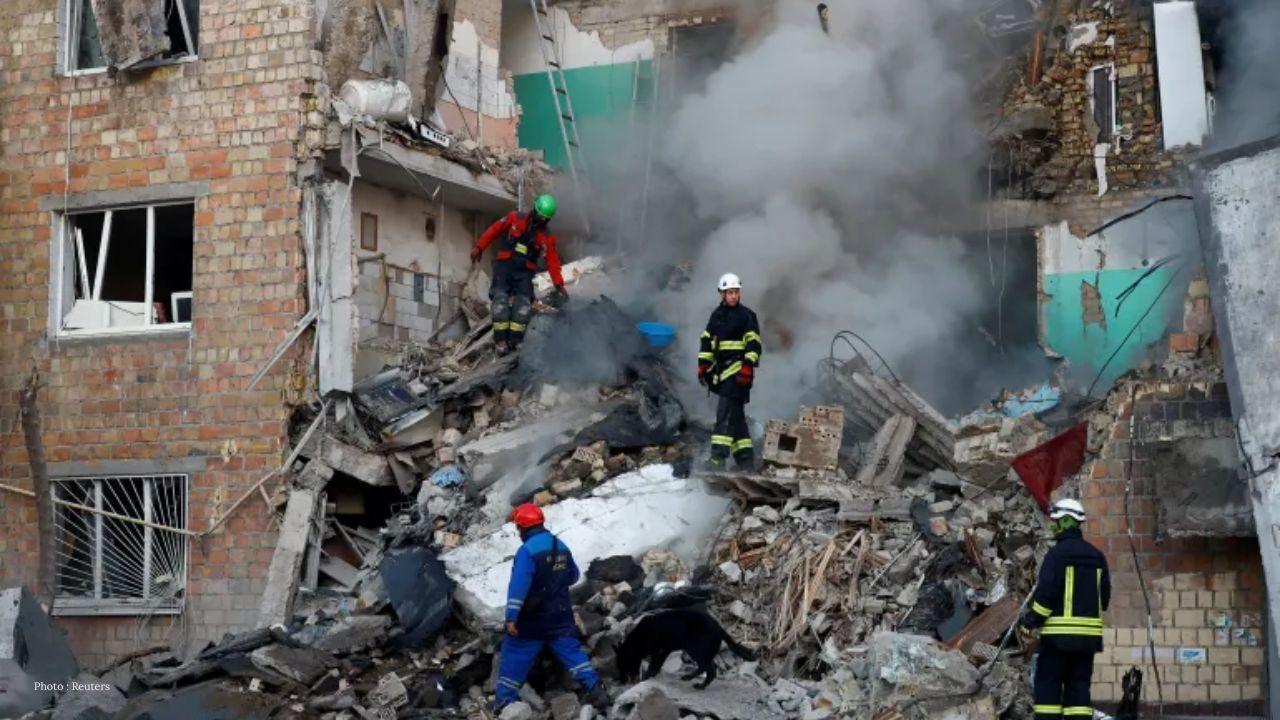
This current conflict escalated on February 28, when the US and Israel launched strikes on Iran, targeting nuclear sites, among others. Iran's retaliatory actions led to heightened regional tensions affecting global energy routes, particularly through the critical Strait of Hormuz.
A temporary ceasefire was brokered by Pakistan on April 8, which facilitated initial direct negotiations between the US and Iran on April 11–12. These discussions represented the highest-level talks between the two nations in decades, though significant disagreements obstructed a final deal.
Overall, Araghchi's visit underscores the ongoing diplomatic efforts aimed at stabilizing the region and rekindling meaningful dialogues. While challenges persist, particularly concerning the naval blockade and political demands, Pakistan's mediating role could be decisive in the forthcoming phase of US-Iran relations.


 English