Post by : Saif
Al-Najjar
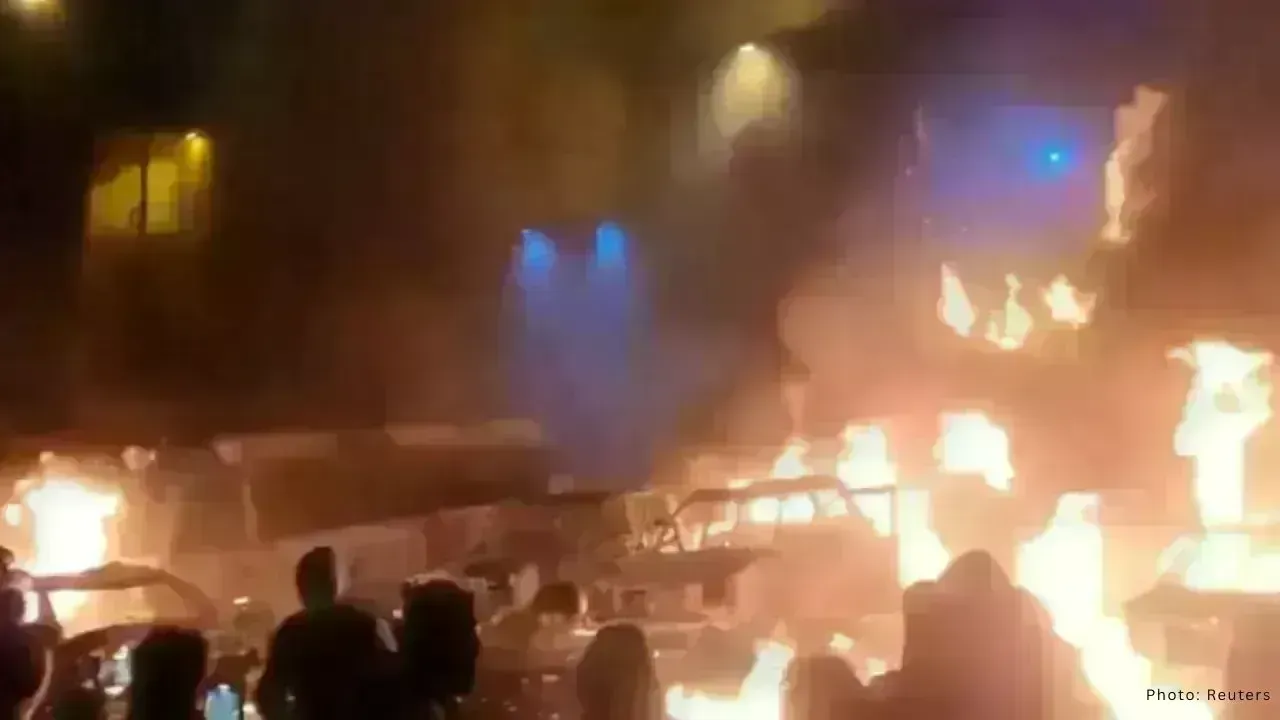
Iran is amid a significant crisis as protests erupt nationwide, showcasing widespread dissatisfaction among its citizens. This current wave of unrest, which began last month in Tehran, has now reached all 31 provinces. Contrary to the protests of 2022-23 led predominantly by women, the current demonstrations are largely driven by young men who challenge the government's priorities.
Initially triggered by shopkeepers in Tehran's Grand Bazaar, the protests were sparked by frustrations over the plummeting rial currency. Young Iranians are increasingly disillusioned with the government’s focus on nuclear ambitions, military activities in the region, and its antagonistic stance towards the United States. Protesters have proclaimed slogans such as “Not Gaza, not Lebanon, my life for Iran,” indicating a yearning for improved domestic circumstances over foreign endeavors.
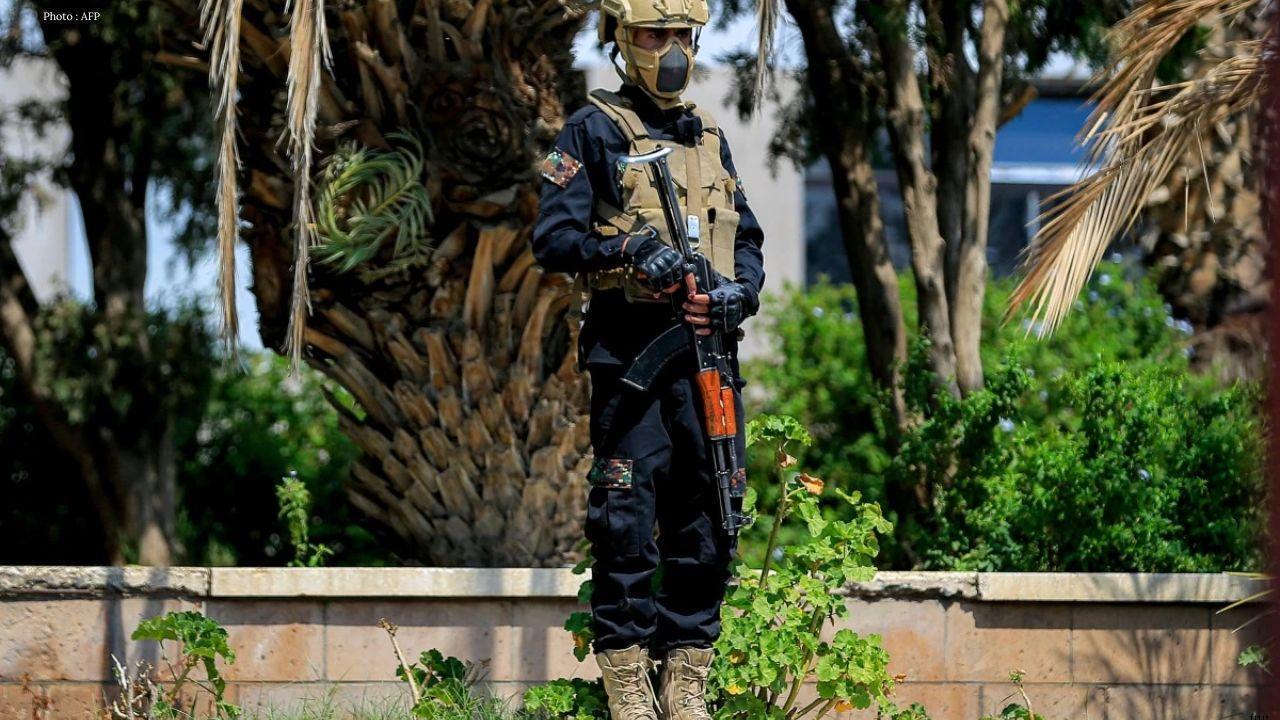
Human rights organizations report a troubling toll, with at least 34 protesters and four members of security forces dead, in addition to over 2,200 arrests made amid the demonstrations. The authorities' response has ranged from limited engagement to severe crackdowns, but many analysts caution that this strategy may be ineffective moving forward.
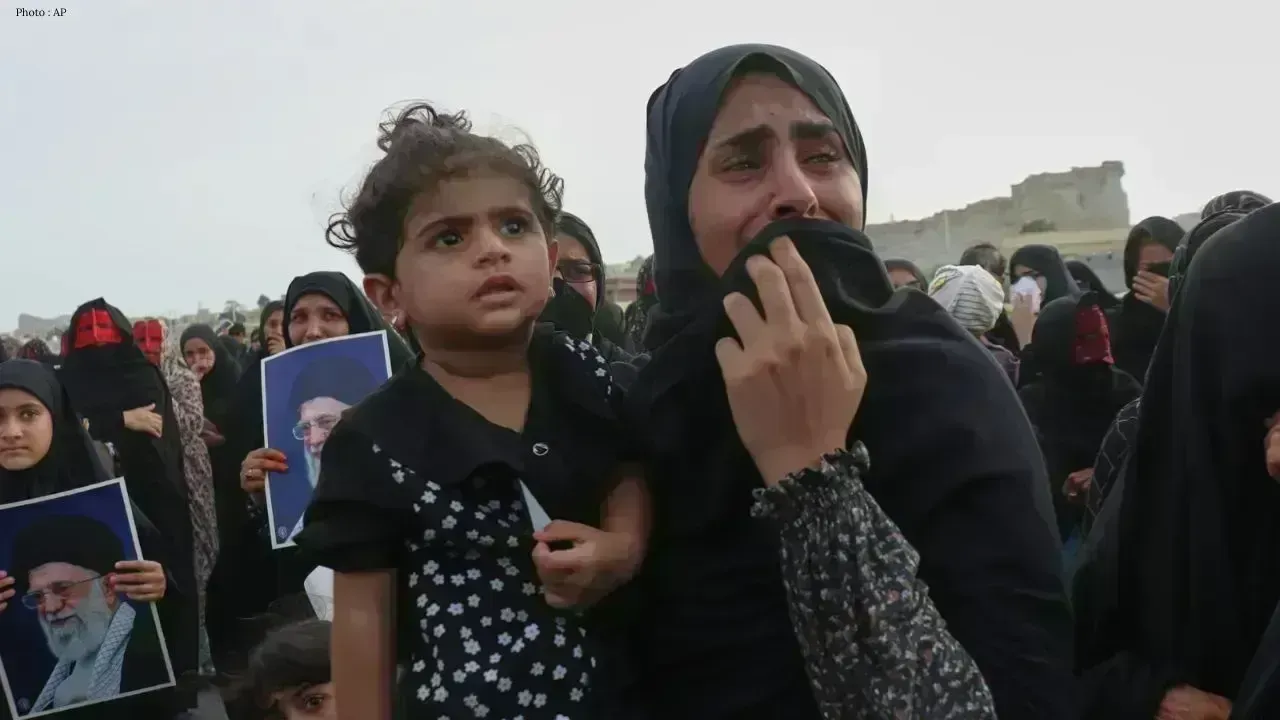
The protests also highlight a broad generational gap. Almost half of Iran’s populace is under the age of 30, with many young people increasingly disconnected from the revolutionary principles that initially formed the Islamic Republic. Traditional mandates, such as the enforcement of the hijab, are now openly challenged in various regions.
Global awareness is rising, with U.S. officials and several international leaders backing the demonstrators. Conversely, Supreme Leader Ayatollah Ali Khamenei has committed to resisting change, facing one of the most significant challenges of his leadership era. Analysts warn that the ongoing crisis could deepen, with no easy resolution in sight.
The current turmoil not only signifies that Iran's leaders encounter economic and political obstacles but also highlights a legitimacy crisis that could influence the country’s trajectory for many years ahead.


 English