Post by : Shweta
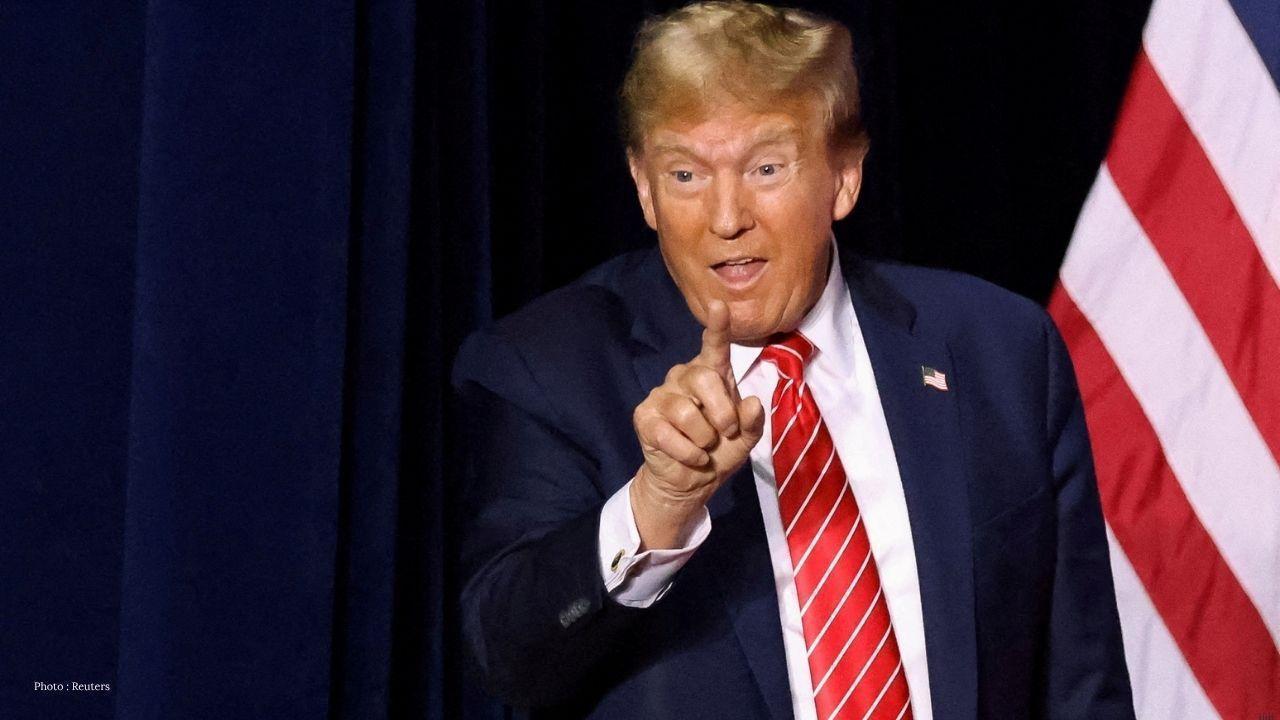
Iran has issued a grave warning that further military action by the United States might escalate tensions beyond West Asia. This follows recent threats from U.S. President Donald Trump, who indicated the possibility of military strikes against Tehran if diplomatic talks break down. The exchange of threats has escalated global concerns about potential regional instability and conflict.
Iranian officials emphasized that any new U.S. military offensive would provoke a firm retaliation from their side. Diplomatic and military leaders in Iran hinted that the aftermath of such actions might spill over into other regions, though they did not detail specific targets or strategies.
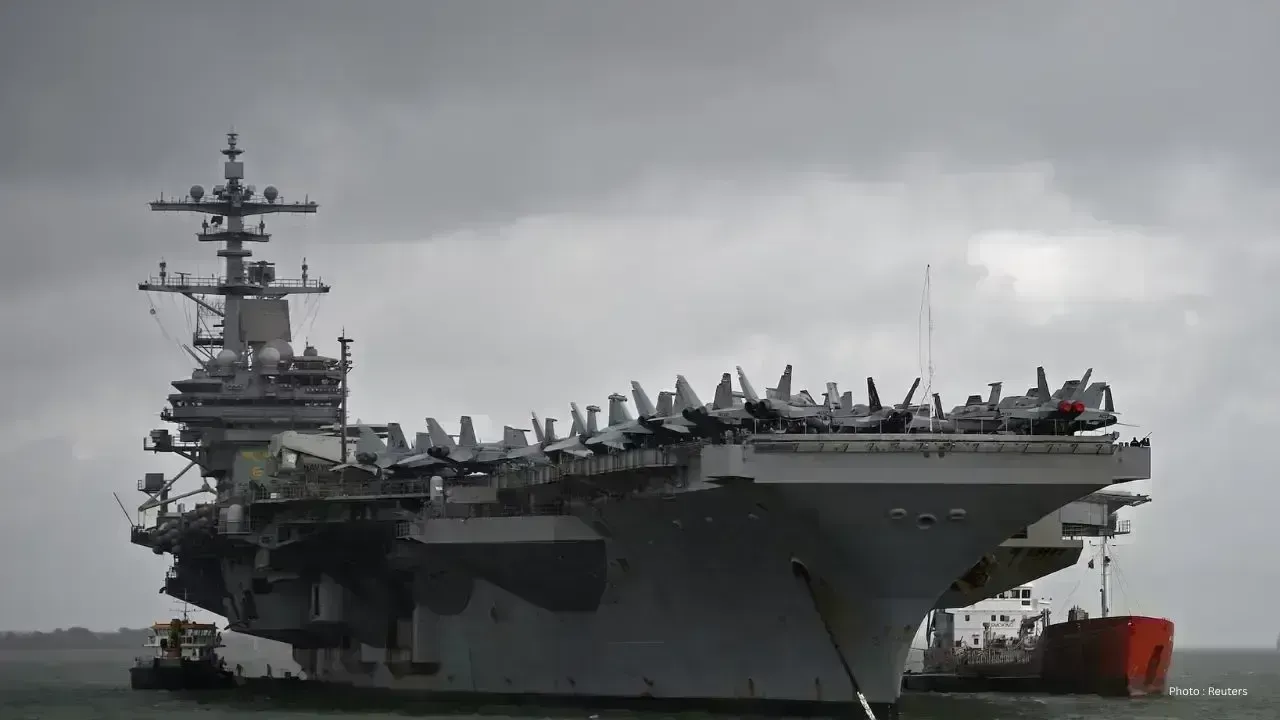
This warning surfaced shortly after Trump mentioned that the U.S. was ready for a significant assault on Iran should negotiations fail. He acknowledged considering resuming military engagements but opted to pause for further dialogue. Despite ongoing talks, both nations are entrenched in their positions regarding sanctions and nuclear issues, showing little sign of compromise.
Reports indicate that tensions continue to simmer, despite tentative discussions of ceasefires and indirect negotiations involving regional intermediaries. Iran's requests include relief from sanctions, reparations for war damages, and a re-evaluation of U.S. military presence in the area. Meanwhile, Washington insists that Iran must curtail its nuclear and military ambitions.
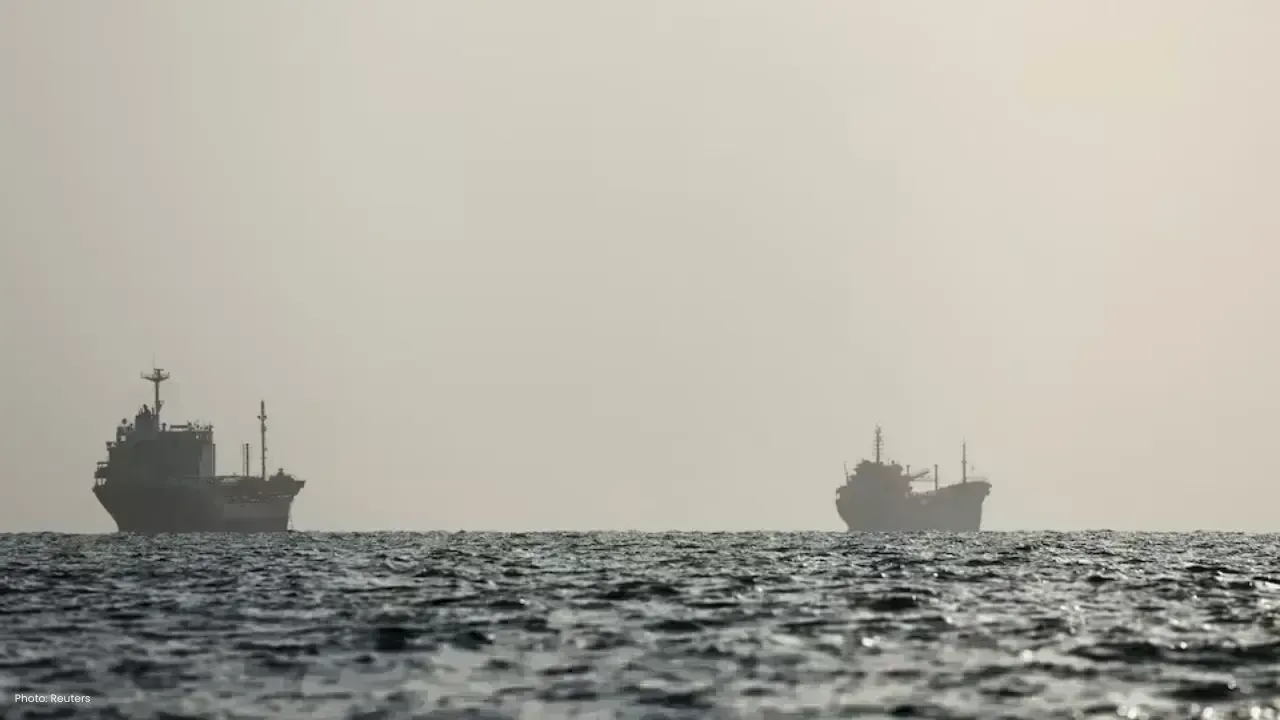
Rising tensions have raised alarms on a global scale, particularly regarding the strategic Strait of Hormuz, a vital conduit for oil shipments. Iran has consistently warned that ongoing military pressure could disrupt maritime traffic and energy supplies, a move that could have repercussions for global oil prices and international trade flows.
As fears of an escalating conflict ripple across diplomatic circles, world leaders are calling for measured responses. Experts caution that increasing military rhetoric from both nations elevates the risk of miscalculations and adds to instability in an already volatile region.
Security analysts argue that the unfolding situation represents a broader struggle over influence, military stance, and nuclear policy in the region. Iran maintains a defiant posture against external pressures, while the U.S. emphasizes that military options remain viable if diplomatic solutions fall short.
As diplomatic maneuvers continue behind closed doors, global governments remain vigilant, as any significant escalation between the U.S. and Iran could have dire implications for international security, energy stability, and geopolitical balance.


 English