Post by : Saif
Al-Najjar
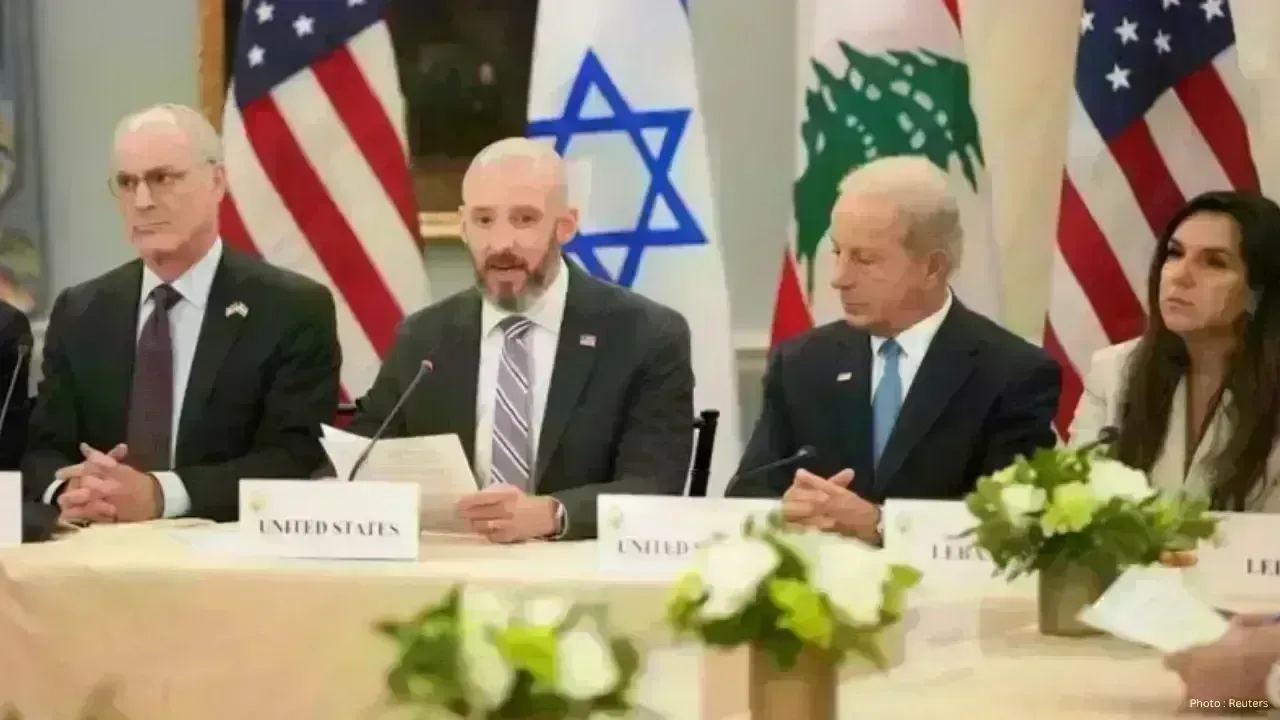
Recent developments along the Israel-Lebanon border indicate a strengthened commitment to ceasefire negotiations as both parties are reportedly willing to pursue peace if Hezbollah halts its recent assaults. This shift raises optimism for easing tensions and lays the groundwork for stability in a region long marred by military encounters and insecurity.
The proposed ceasefire framework highlights an emerging consensus that ongoing warfare is untenable for everyone involved. Communities in border areas have endured frequent disruptions and displacements, which have negatively impacted everyday life. A successful ceasefire could provide vital respite for civilians burdened by prolonged conflict.
Ongoing clashes between Israeli forces and Hezbollah are among the most urgent security concerns facing the Middle East today. Increased cross-border skirmishes, military reactions, and security measures have amplified fears of a wider conflict. International diplomats continue to call for restraint and are championing dialogue to avert any escalation.
The current ceasefire dialogue seems to pivot on a straightforward premise: Hezbollah would cease its attacks in return for the Israeli military halting operations. While such agreements are usually viewed as initial steps toward peace, they often persist even amid unaddressed political rifts.
Diplomatic efforts have been pivotal in alleviating tensions. Both regional and global stakeholders are advocating for dialogue to prevent a rapid decline in security conditions. The terms of ceasefire negotiations are frequently complicated and rely on building trust and solid commitments from all involved.
For those residing in impacted regions, reducing military actions represents a glimmer of hope for a return to daily normalcy. Recurrent conflicts disrupt schools, economic activities, and local services, and greater stability could enable communities to concentrate on recovery and growth rather than security issues.
Economic stability is also at stake. Ongoing instability hampers trade, tourism, and investment in infrastructure. Business leaders favor predictability, making a successful ceasefire key to boosting confidence among investors and facilitating economic rehabilitation in the affected areas.
Security analysts point out that ceasefire agreements can be tenuous in their infancy. Ensuring ongoing tranquility necessitates robust communication, monitoring, and unwavering commitment from all factions involved. Isolated incidents have the potential to derail progress unless diplomatic channels manage them effectively.
International organizations consistently stress the need to avert broader conflicts. An escalated situation could lead to humanitarian crises, increased regional instability, and stretch resources further. Efforts to de-escalate hostilities are considered beneficial not only for the nations directly engaged but also for the entire region.
Diplomatic channels remain vital for a sustainable resolution. While temporary military pauses can minimize immediate threats, enduring peace relies on resolving foundational political and security issues. Meaningful discussions may foster an environment that nurtures lasting peace and mitigates future clashes.
Regional leaders are vigilantly observing these developments, as the ramifications could transform the security landscape across the Middle East. If a ceasefire is successfully realized, it may stimulate additional diplomatic efforts and bolster conflict-reduction initiatives in surrounding regions.
The public generally expresses hopeful sentiments regarding a potential decline in violence. Many families hoping for a return to normalcy see a chance to restore stability after months of disruption. Humanitarian organizations also view possible de-escalation as a means to improve conditions for underserved communities.
However, challenges persist. Long-standing political divisions and security dilemmas cannot be resolved overnight. Establishing trust between opposing factions will necessitate time, care, and steadfast adherence to commitments. This reality underscores the significance of ongoing diplomatic involvement.
The emerging understanding between Israel and Lebanon stands as a potentially transformative opportunity for diplomatic breakthroughs and enhanced regional tranquility. While success isn't guaranteed, even temporary calm could pave the way for fruitful negotiations and confidence-building measures.
Achieving a sustained period of tranquility would greatly benefit civilians, uplift economic prospects, and diminish the chances of broader conflicts. As negotiations progress, the focus remains on whether both sides can uphold their commitments and evolve a ceasefire into a solid framework for peace and stability across the region.


 English