Post by : Saif
Al-Najjar
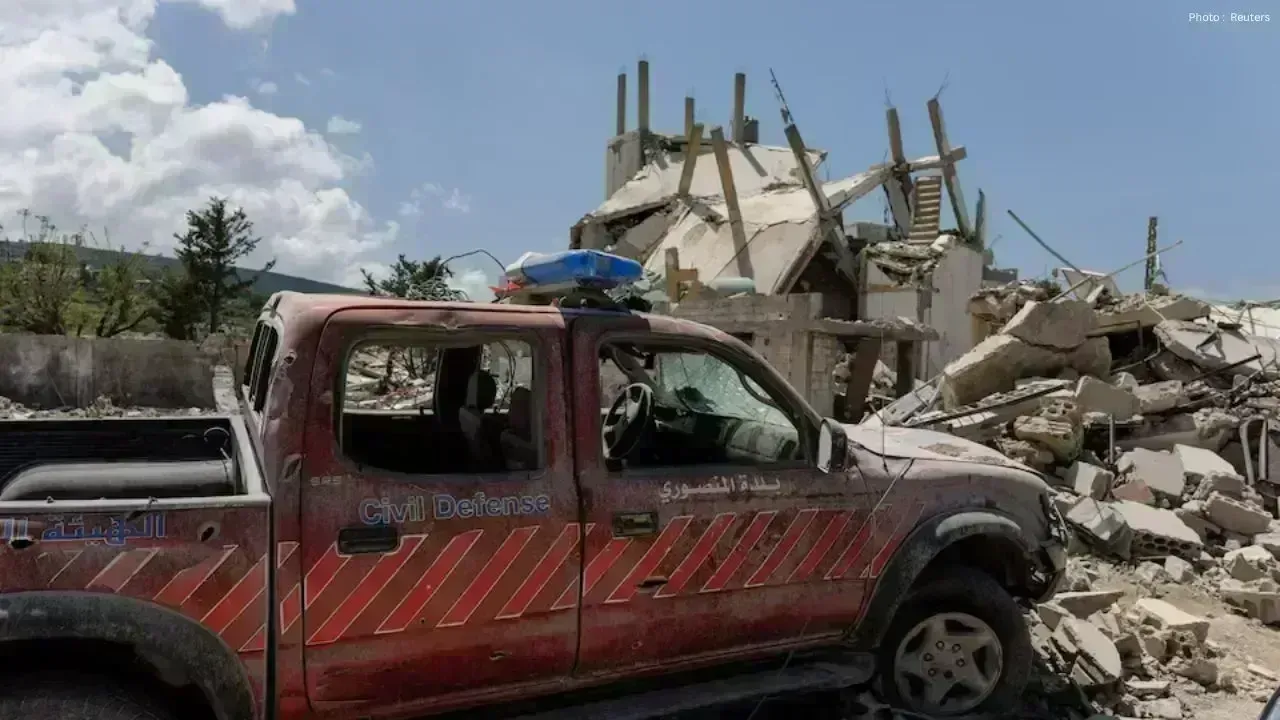
Recent airstrikes by Israel in southern Lebanon have sparked significant concerns regarding the safety of journalists in conflict settings. Reports indicate that one journalist sustained injuries, while another was trapped beneath debris when the strikes targeted a location where media personnel were present. This incident highlights the perilous conditions reporters face in active war zones.
The airstrikes occurred in a southern Lebanese village, where journalists were actively reporting on the ongoing situation. An initial bomb hit nearby, prompting the journalists to seek safety. Moments later, another strike targeted the same vicinity, resulting in injuries and burying one reporter under rubble. Rescue operations were hampered due to the ongoing hostilities and security threats in the area.
In defense, the Israeli military stated their operations aimed specifically at militant entities. They clarified that journalists were not the intended targets and denied any intentional harm towards media individuals. Nonetheless, incidents like this raise ongoing concerns regarding the safety of both civilians and journalists in dangerous environments.
The circumstances in southern Lebanon remain fraught, with exchanges of fire and military actions presenting heightened risks for those in the field. Journalists work under these challenging conditions to deliver real-time updates, often facing the same threats as local residents, such as airstrikes and crossfire.
International law provides safeguards for journalists, urging all conflicting parties to protect civilians, including the media. Despite these provisions, attacks involving journalists continue, escalating worries among press organizations and global spectators.
This occurrence exemplifies the comprehensive challenges faced in contemporary conflict zones, where establishing safe havens is increasingly complex. The dynamic nature of these situations compounded by repeated attacks places even veteran journalists in jeopardy.
The ramifications of these incidents extend beyond those immediately impacted. When journalists are harmed or unable to communicate, the dissemination of information from conflict-affected regions is stymied, hindering global awareness of the situation on the ground.
The latest airstrikes in Lebanon serve as a stark reminder of the persistent dangers present in the region. With rising tensions, ensuring the safety of journalists and civilians remains a critical concern that warrants collective accountability from all involved parties.


 English