Post by : Saif
Al-Najjar
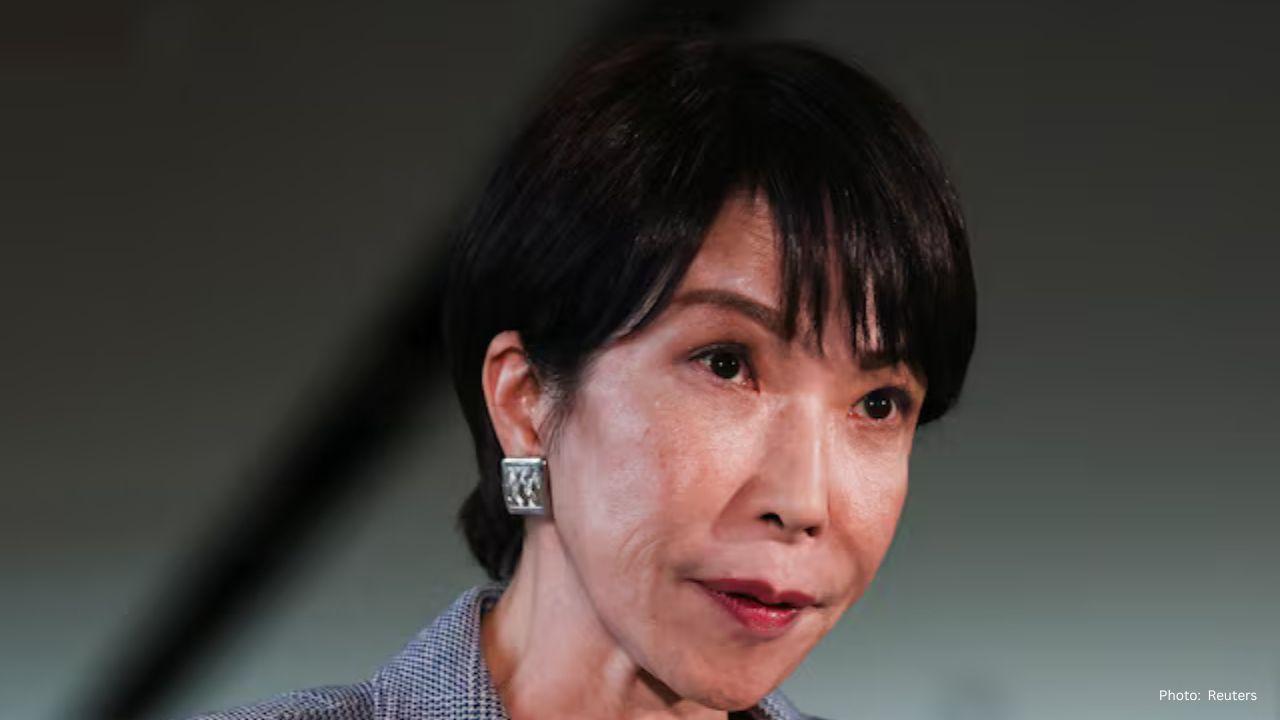
This week marked a pivotal shift in Japan’s economic dialogue as a key government advisory panel eased its strict fiscal guidelines. This change is attributed to the rising influence of Prime Minister Sanae Takaichi, who advocates for enhanced spending measures to rejuvenate the nation’s economy, long burdened by persistent sluggish growth and low inflation.
The fiscal system council, which provides guidance to the finance minister, unveiled its annual budget report on Tuesday. In contrast to last year’s strict call for a quick return to a budget surplus and cuts to pandemic-related spending, this year’s findings are significantly more lenient. The panel now advises that Japan assess its primary budget balance annually rather than demanding immediate surpluses.
Given that Japan's national debt eclipses its economic output by more than double, this less stringent approach marks a notable departure from previous warnings. Traditionally viewed as needing comprehensive reforms for public finance stabilization, Japan now faces challenges as the Bank of Japan begins curtailing its ultra-loose monetary policies that have kept borrowing costs low for over ten years. With rising interest rates, managing such substantial debt is increasingly problematic.
Prime Minister Takaichi believes that economic revitalization takes precedence over rigid fiscal benchmarks. She argues that substantial improvements in household income, corporate profits, and overall economic activity are prerequisites for remedying Japan’s fiscal health. Her strategy is centered on the belief that growth will ultimately lead to enhanced government revenues.
Last week, her administration took a significant step forward by endorsing a supplementary budget of 18.3 trillion yen (approximately $117 billion) aimed at launching a comprehensive stimulus initiative. This funding will largely be sourced through additional borrowing, further amplifying Japan’s already extensive debt load. The plan encompasses assistance for workers, businesses, and consumers to stimulate spending and confidence in the economy.
However, rising debt levels have raised eyebrows in financial markets. Yields on super-long Japanese government bonds have surged to unprecedented heights this year, reflecting investor anxiety regarding the sustainability of national finances. Increased long-term yields may mean higher borrowing costs for the government going forward.
The primary budget balance, a key indicator excluding debt-related expenses, has been Japan’s fiscal focus for years. Policymakers aspire to attain a surplus, indicating that the government can sustain its initiatives without depending on new loans. Previous official forecasts anticipated achieving this target between fiscal years 2025 to 2026.
Nonetheless, Prime Minister Takaichi has indicated a preference for shifting away from the annual primary balance as a stringent fiscal measure. She endorses a long-term vision that affords the government greater flexibility to allocate funds when necessary. This aligns with her overarching reflation strategy, which perceives steady economic growth and rising incomes as essential for Japan’s future stability.
This transition underscores the careful balance Japan must navigate: stimulating its economy while managing debt-related risks. The advisory panel’s softened stance suggests the government is currently inclined to prioritize economic growth over immediate fiscal tightening. The effectiveness of this strategy in fostering both a robust economy and sustainable public finances will unfold in the coming years.


 English