Post by : Bianca
Haleem
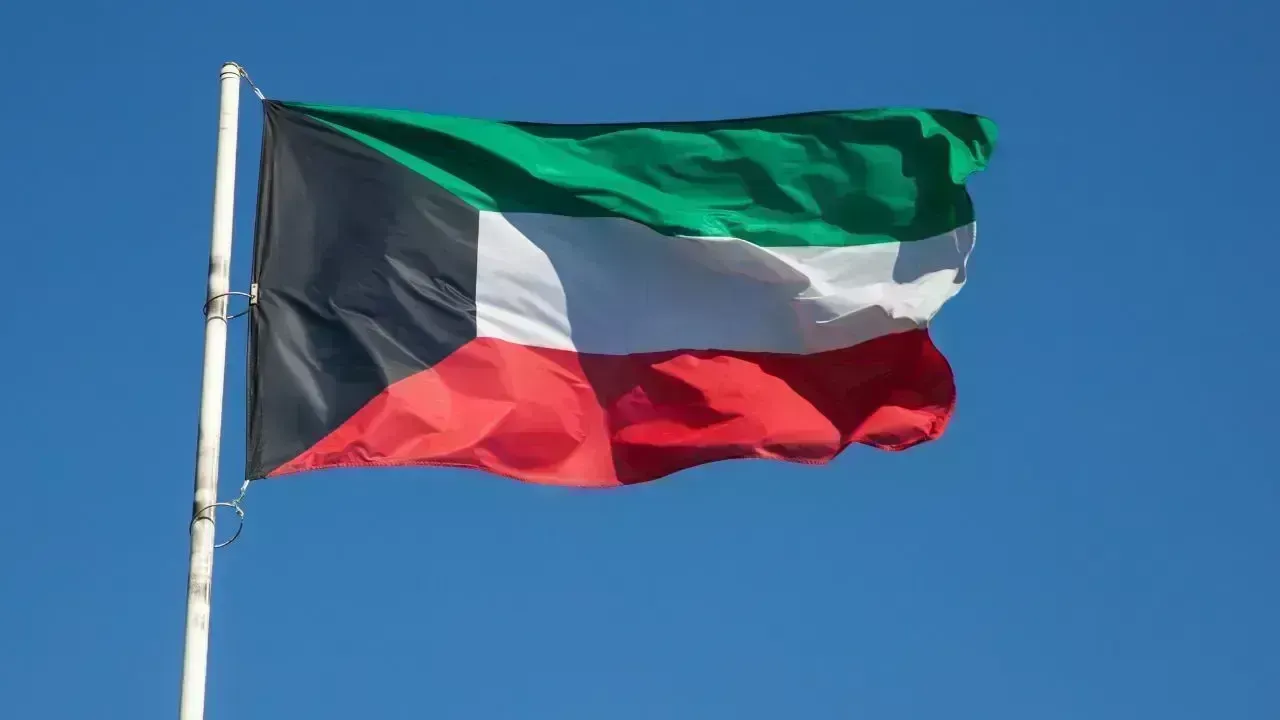
Kuwait City: A significant fire erupted at a desalination and power generation facility in Kuwait due to an alleged Iranian missile strike, damaging multiple generating units and igniting worries over the safety of vital infrastructure within the Gulf region.
Emergency response teams were swiftly mobilized by Kuwaiti authorities following the outbreak of the fire. Firefighters are actively working to control the flames while engineers assess the toll on electricity-generating units. Officials announced the activation of emergency protocols to safeguard Kuwait's electricity grid and ensure the uninterrupted supply of desalinated water, which is crucial for the nation.
The full extent of the damage and any potential casualties remain unreported as investigations are initiated to gauge the impact on the country's power generation and water production capabilities.
Incident Overview at the Kuwait Power Plant
Officials reported that the blaze was triggered following what has been characterized as an alleged Iranian strike on the facility. The incident reportedly impacted multiple generating units, necessitating emergency personnel to secure the area and limit further damage.
Read More: Kuwait's Prime Minister Visits Hospitalized Attack Victims
This event has heightened concerns regarding the susceptibility of power plants, desalination facilities, and essential infrastructure in the Gulf amidst the ongoing tensions between Iran and the United States.
Significance of the Kuwait Facility
The impacted facility is vital to Kuwait's public utility network, producing electricity and desalinated water. Any interruption in its functions could severely affect essential services for both residents and industries, underlining the importance of safeguarding such facilities as a top national security priority.
Ongoing Regional Tensions
This alleged strike comes at a time when Iran has amplified its drone and missile attacks across the Gulf. Sources indicate that both Kuwait and Bahrain, where significant United States military installations are located, were included in the latest target list.
Tehran claims it aims to strike locations associated with the US military presence in the region, while the United States continues its aerial operations against Iranian sites, marking the eighth consecutive night of military actions that further heighten regional tensions.
Future Implications
Security experts express that targeting energy and utility infrastructure could lead to ramifications extending beyond the immediate conflict zone. Power stations, desalination plants, oil and gas sites, as well as key commercial shipping routes remain at increased risk as hostilities persist.
In response, governments throughout the Gulf are bolstering security measures around strategic infrastructures while keeping a vigilant eye on the developing situation. Analysts warn that ongoing attacks on critical facilities could disrupt regional energy supplies, impact maritime trade, and destabilize economic conditions.


 English