Post by : Mariam
Al-Faris
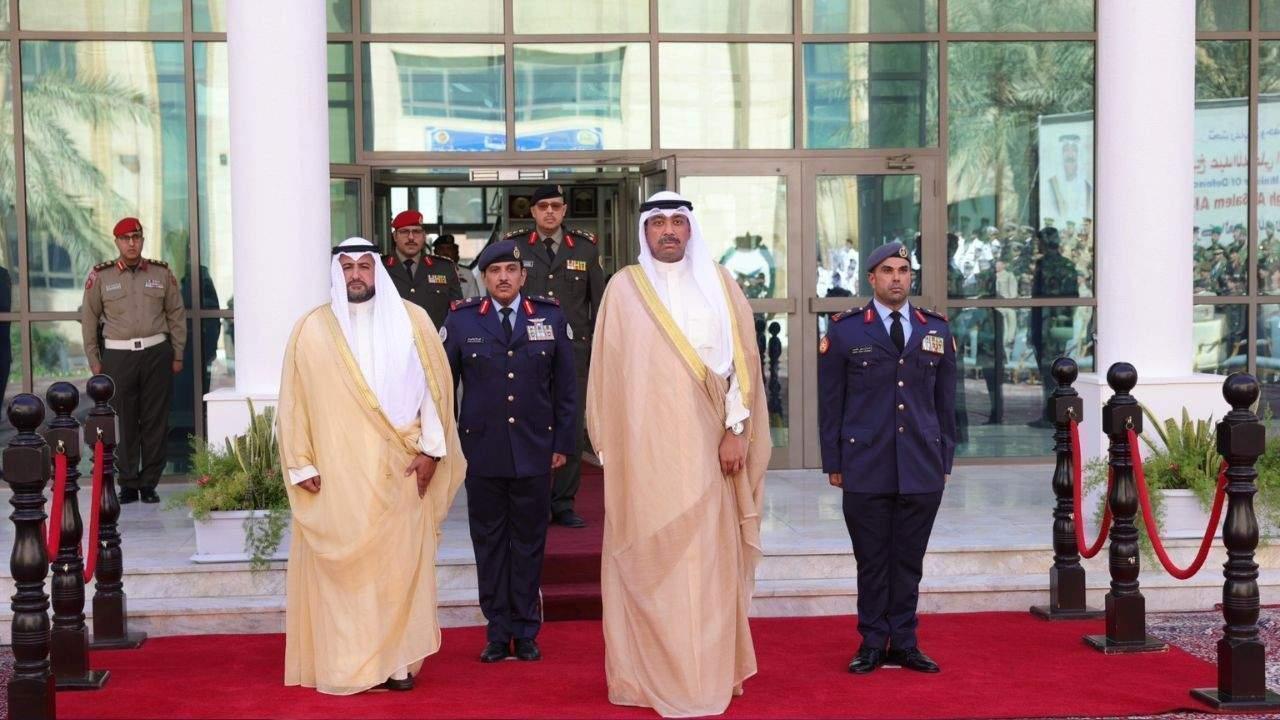
Photo: KUNA
Kuwait’s Deputy Prime Minister and Minister of Defense, Sheikh Abdullah Ali Al-Sabah, recently attended the graduation ceremony of the 29th Joint Command and Staff Course, a prestigious military training program. The event marked a significant achievement for the 125 officers who successfully completed their training. The graduating officers represented the Kuwaiti Army, Ministry of Interior, National Guard, as well as participants from allied nations who came to Kuwait to take part in this specialized military course.
The graduation ceremony took place at the Mubarak Al-Abdullah Joint Command and Staff College, one of Kuwait’s most respected institutions for military training and leadership development. Sheikh Abdullah praised the course and the college for their high standards in both education and training, calling them essential in preparing officers for future leadership roles.
Preparing Leaders for Strategic Military Roles
During his speech, Sheikh Abdullah emphasized the vital role of the joint course in shaping officers who can lead and take command in various important roles. These include positions not only in the field during military operations but also in strategic and decision-making capacities across government and defense institutions.
He said that such training programs are crucial for developing military leaders who are ready to make critical decisions, especially during complex and fast-changing situations. The Defense Minister also acknowledged the challenges that modern-day military officers face, such as technological warfare, intelligence operations, and regional defense collaboration.
Praise for Modern Military Education Standards
Sheikh Abdullah commended the college’s faculty and instructors for their dedication to excellence. He noted that the teaching staff has adopted modern teaching techniques and globally aligned practices to ensure that the training is up to international standards. This, he said, not only improves the quality of military education in Kuwait but also helps Kuwaiti officers work effectively with military personnel from other countries.
He added that these efforts have helped raise the bar for military professionalism and have contributed significantly to Kuwait’s security and defense system. The Minister underlined how continuous improvements in education and training keep Kuwaiti forces updated and prepared for any regional or international threat.
Focus on Regional and International Cooperation
Another key point in Sheikh Abdullah’s speech was the importance of regional and institutional cooperation. He said that military training should not be limited to national boundaries and praised the joint participation of officers from friendly and allied nations. According to him, such programs enhance regional security and international military relationships.
He highlighted that working together with other countries helps exchange ideas, strategies, and experiences. This not only builds mutual trust but also strengthens joint efforts in dealing with global security threats. Sheikh Abdullah emphasized that Kuwait remains fully committed to maintaining peace and security, not just within the country but in the wider Gulf and Middle East region as well.
Message from the Commander of the College
Major General Fahad Al-Khurainej, Commander of the Mubarak Al-Abdullah Joint Command and Staff College, also addressed the graduates during the ceremony. He spoke about the history and legacy of the college, which has been training future leaders in Kuwait for many years.
He said that the college’s curriculum is constantly evolving to meet new military and technological challenges. As the nature of warfare changes, the college is adapting its programs to include subjects like cybersecurity, artificial intelligence in warfare, surveillance systems, and strategic planning.
Maj Gen Fahad noted that today’s military leaders need more than just tactical knowledge—they need to understand international politics, crisis management, military diplomacy, and strategic thinking. He praised the hard work and dedication of the graduating officers and encouraged them to apply what they learned for the good of their countries and the greater cause of peace and stability.
Commitment to National Security and Leadership Vision
Sheikh Abdullah concluded his speech by extending his congratulations to all the graduates and their families. He said that their efforts reflect their commitment to serving the nation, and their success adds to Kuwait’s growing reputation for having a professional and well-prepared military force.
He also thanked His Highness the Amir and His Highness the Crown Prince for their continuous support and leadership in ensuring the safety and stability of Kuwait. According to him, the leadership of Kuwait continues to support military education and training as a core part of the nation’s development.
Sheikh Abdullah stressed that national defense is a shared responsibility, and programs like the joint command and staff course are part of a bigger vision to ensure that Kuwait remains strong, independent, and capable of protecting its people and borders.
International Participation a Sign of Trust and Friendship
One of the most important aspects of the course’s success was the participation of officers from allied countries. This reflects Kuwait’s strong diplomatic and military ties with international partners. Inviting officers from other countries to train in Kuwait shows the country’s commitment to peace, mutual learning, and building long-term alliances.
It also helps Kuwaiti officers understand different military cultures and strategic approaches, which is increasingly important in today’s globalized military operations. Whether in peacekeeping missions or joint military drills, such training experiences build stronger communication and understanding among nations.
Future of the Program and What Lies Ahead
Looking ahead, the Mubarak Al-Abdullah Joint Command and Staff College plans to expand its training programs and include more advanced modules in emerging areas of military science. These could include AI-driven defense systems, hybrid warfare, and space security.
The college also aims to increase the number of international participants, creating a more diverse learning environment that reflects the complex nature of global defense systems. With support from Kuwait’s leadership, the goal is to make the college a regional hub for military excellence.
Building Leaders for a Safer Tomorrow
The graduation of the 29th batch of officers from the Joint Command and Staff Course marks a proud moment for Kuwait and all those involved in the defense sector. The efforts of the officers, instructors, and leadership prove that Kuwait is serious about military readiness, leadership development, and international cooperation.
As these 125 officers step into new roles, they carry with them not just knowledge and skills, but also the responsibility to lead, protect, and uphold the values of peace, security, and cooperation. With such strong training foundations, they are well-prepared to serve their country and contribute to regional and global stability.


 English