Post by : Shakul
Japan is grappling with one of the toughest hay fever crises globally, rooted in a forestry initiative from the 1950s that emerged post-World War II. Each year, millions endure springtime allergies primarily linked to cedar pollen, complicating the season for a significant portion of the populace.
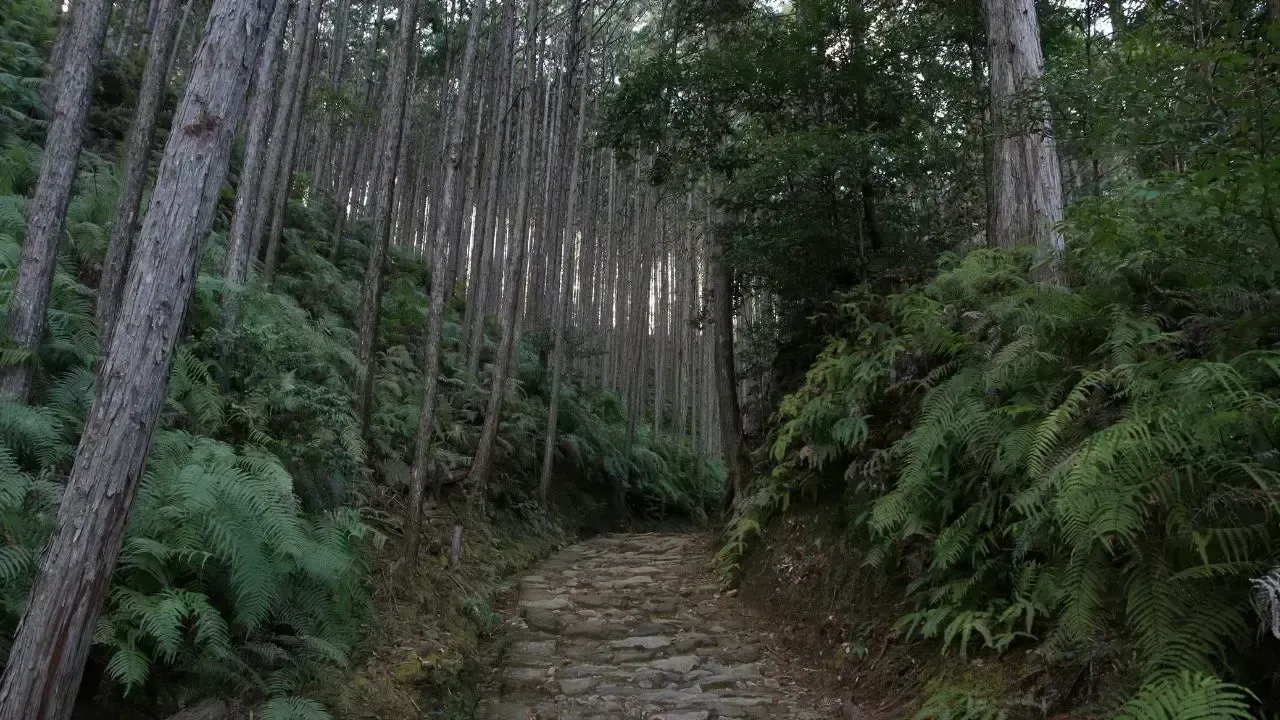
In the aftermath of the war, Japan embarked on an ambitious reforestation initiative aimed at economic revival. The planting of numerous cedar and cypress trees was pivotal as they provided quick timber solutions for the reconstruction of homes and infrastructure.
However, decades later, those trees have matured collectively, resulting in a significant release of pollen each spring. Health professionals note that the synchronized growth of these forests has culminated in a widespread allergy challenge, impacting nearly half of the residents in specific Japanese regions.
The crisis is exacerbated by urban sprawl and climatic shifts. Increased temperatures are prolonging the pollen release period, while air pollution in urban centers is thought to heighten allergy sensitivities. Many citizens suffer from a range of symptoms such as sneezing, itchy eyes, breathing difficulties, headaches, and fatigue during peak pollen seasons.
To combat this yearly challenge, a significant number of individuals in Japan resort to wearing masks, taking antihistamines, using air purifiers, and donning protective eyewear. The impact extends to schools, workplaces, and public transportation, leading to decreased productivity and increased health complaints during spring.
In light of the ongoing crisis, Japanese authorities have initiated the removal of older cedar forests in favor of planting low-allergen tree species. Concurrently, researchers are exploring medical treatments and preventative measures aimed at mitigating allergic responses and enhancing public health outcomes over time.
Experts now view Japan’s hay fever epidemic as a vivid illustration of how historical environmental policies can lead to unforeseen health ramifications years later. This situation has prompted broader discussions surrounding climate adaptation, urban development, and sustainable forestry practices to safeguard future generations.


 English