Post by : Saif
Al-Najjar
Recently, the Philippines has expressed alarm over China’s expanding maritime activities near its northern coastline, following the sighting of a Chinese research ship off Cagayan province. This event occurs during a period of heightened tensions regarding Taiwan, amplifying concerns about regional security.
The Philippine Coast Guard confirmed that a patrol aircraft was dispatched to monitor and confront a Chinese deep-sea research vessel known as Tan Suo Er Hao. The ship was located approximately 19 nautical miles from Cagayan's shore, well within the Philippine Exclusive Economic Zone, where the country holds exclusive rights over marine resources and research initiatives.
Coast guard officials attempted to engage the ship via radio, demanding clarification on its activities and whether it had Manila's authorization to conduct research. However, the Chinese vessel did not respond. Conducting research in another nation's exclusive zone without consent breaches both Philippine and international legal frameworks.
After the initial encounter, the vessel was tracked as it ventured eastward, and was later spotted more than 55 nautical miles from Santa Ana in Cagayan. The Philippine Coast Guard utilized satellite monitoring technology, underscoring Manila’s increasing capability to oversee activities in its waters.
Cagayan's strategic significance lies in its proximity to Taiwan and as a host of one of nine military locations accessible to U.S. forces under a defense pact with the Philippines. Consequently, any foreign vessel operating in this vicinity is met with keen scrutiny from security authorities.
In response, the Chinese embassy in Manila stated that the ship was executing routine operations and asserted China’s right to navigate these waters under international law. Beijing continues to challenge certain Philippine maritime regulations, which has long been a point of contention between the two nations.
This incident coincides with China’s recent military exercises surrounding Taiwan, which included missile launches and simulated blockades, following a significant arms agreement between the U.S. and Taiwan that has further heightened regional unease.
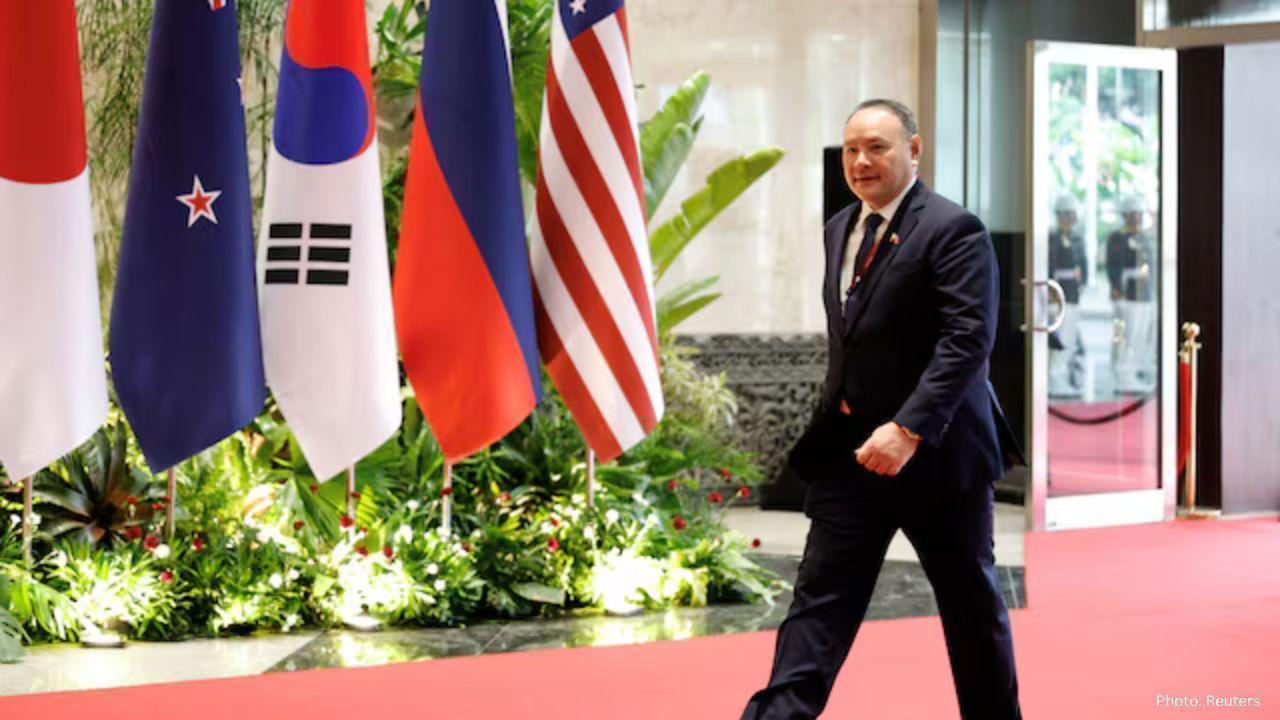
Philippine Defense Secretary Gilberto Teodoro expressed serious concerns regarding China’s maneuvers near Taiwan, cautioning that such actions jeopardize peace not just across the Taiwan Strait but throughout the broader Indo-Pacific area.
This situation illustrates how interconnected regional security dynamics have become. Events near Taiwan can swiftly impact neighboring countries like the Philippines. As tensions escalate, analysts emphasize the importance of clear communication, adherence to international legal standards, and restraint to avert misunderstandings that could escalate into significant conflicts.


 English