Post by : Sami
Al-Rahmani
Protests Surge in the U.S. Amid Economic and Political Turmoil in 2026
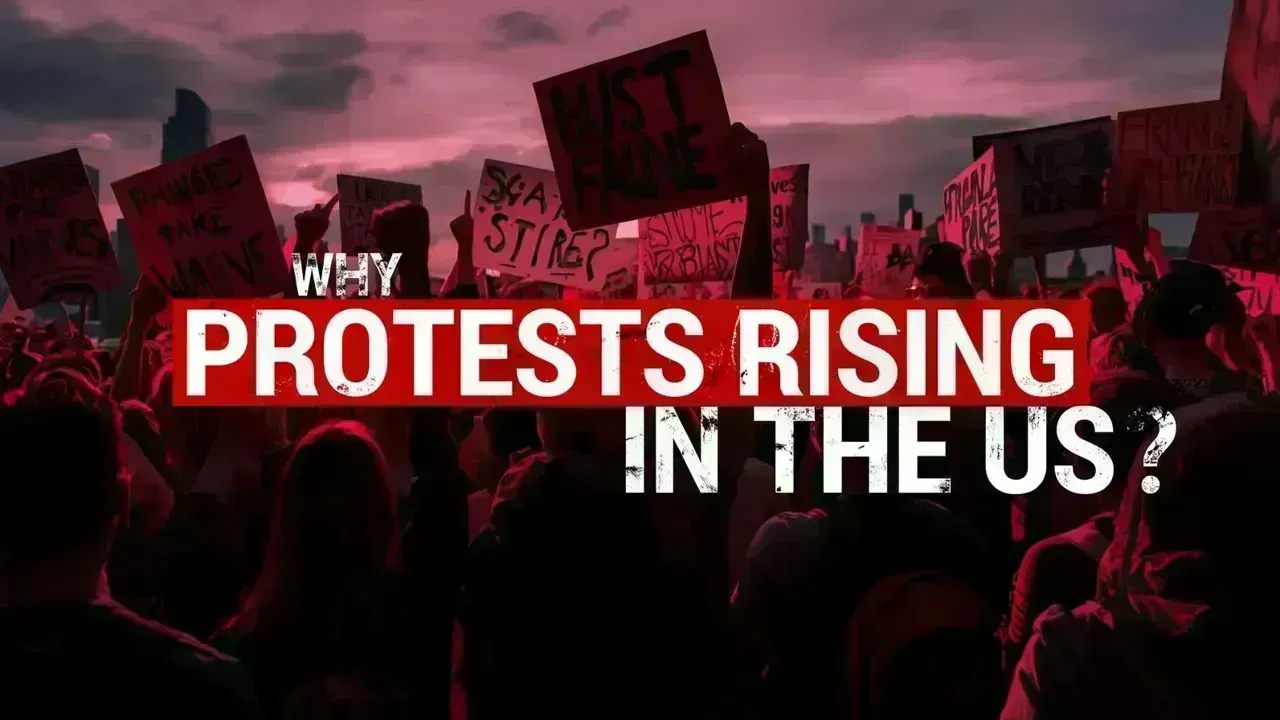
In the year 2026, the United States is experiencing a significant increase in protests across urban areas and rural communities. This current wave of demonstrations is driven by a mix of economic discontent, political division, and public grievances. The protests reflect a heightened urgency among citizens concerned about their future, rights, and overall living conditions.
Rather than stemming from a single cause, today’s protests are the culmination of various pressures coalescing, prompting more Americans to voice their concerns.
Broadering Public Frustration
The notable upsurge in protests can be attributed to a complex interplay of economic, political, and social factors. Many Americans are grappling with a sense of instability in their daily lives, leading to greater visibility of their frustrations.
Unlike previous protest movements that centered on specific issues, this one encompasses various concerns. The areas of unrest include:
- Inflation and worsening cost of living
- Job security and stagnant wages
- Intensifying political polarization
- Concerns surrounding social justice
- Global conflicts impacting domestic policies
This multifaceted situation has resulted in diverse groups mobilizing to express their unique concerns simultaneously.
Economic Pressures Propel Protest Activity
A key catalyst for these rising protests is economic stress.
With inflation on the rise, everyday expenses are escalating, affecting areas such as:
- Fuel
- Housing
- Groceries
- Healthcare costs
Even in sectors where wages are rising, they often do not match the increased expenses. This gap creates feelings of frustration among many families, leading them to perceive their financial struggles as a constant battle. The groups feeling this strain particularly include:
- Middle-class households
- Young workers entering the job market
- Low-wage employees
Increased economic dissatisfaction has led to growing calls for better wages and improved economic policies.
Job Market Volatility Fuels Dissent
Job market uncertainties represent another significant factor influencing these protests.
As 2026 unfolds, various sectors are witnessing:
- Reduced hiring
- Increased layoffs in tech and corporate fields
- A shift toward gig or contract work
This instability raises concerns regarding job security and potential career advancement.
Workers express worries over:
- Automation taking over jobs
- Insecure employment
- Transforming work environments
The climate has led to labor protests focused on demanding fair treatment and job protection.
Political Divisions Reach New Heights
The polarization in U.S. politics has intensified, creating a backdrop for current protests.
- Government policies
- International relations
- Decisions affecting national security
- Civil rights advocacy
The impact of political figures continues to shape public opinion and contribute to activism, allowing movements to form that reflect broader societal divisions. Protests now symbolize deeper fights over identity, values, and the direction of governance.
Global Issues Shape Domestic Views
International challenges are also having an effect on U.S. protests.
Conflicts in various regions have resulted in:
- Increased fuel costs
- Economic hesitance
- Fears about potential military involvement
These foreign dilemmas are having tangible effects on American lives, which in turn contributes to protests against:
- Military engagements
- Funding for defense
- Economic ramifications of foreign policies
This demonstrates how global geopolitics intertwine with national sentiment.
The Evolution of Social Justice Movements
Issues of social justice remain crucial in the current protest landscape.
- Equality across racial divides
- Rights for gender identities
- Immigration issues
- Access to healthcare and educational services
These movements are increasingly organized and more active on social media, facilitating coordination and participation.
Platforms are key in:
- Raising awareness
- Organizing events swiftly
- Boosting visibility of voices
This digital engagement has resulted in more frequent and prominent protests.
The Impact of Social Media on Protest Dynamics
Social media has reshaped the landscape of protest organization.
In the current environment:
- Information dissemination occurs at lightning speed
- Event organization can take place in mere hours
- Viral phenomena can mobilize crowds swiftly
However, this immediacy brings challenges:
- Fast-spreading misinformation
- Heightened emotional volatility
- Online tensions often escalate before spilling into real-world conflicts
Nevertheless, social media stands as a critical driver behind contemporary protests.
Shifting Attitudes Toward Civic Engagement
There is also a notable change in how protests are perceived.
In 2026, the act of protesting is increasingly viewed as a necessary and valid expression of civic involvement.
Citizens are becoming:
- More informed about their rights
- Willing to express dissent
- Less fearful of confronting authority
Consequently, protests are evolving into a common means for advocating for change.
Government Reaction Influencing Public Trust
The governmental response to protests significantly affects public sentiment.
When authorities engage meaningfully, tensions can mitigate. Conversely, perceptions of dismissal or heavy-handedness can lead to:
- Escalated protests
- Regular demonstrations
- Heightened distrust for institutions
Trust is pivotal in determining whether protests subside or grow.
Future Implications of Increased Protests
The uptick in protests throughout the United States in 2026 is not merely a transient issue, but signifies deeper, pervasive challenges.
Should these concerns remain unaddressed, protests could:
- Increase in frequency
- Mobilize larger coalitions
- Result in significant shifts in both political and social landscapes
At its core, protests serve a crucial function in democracy by:
- Empowering citizens
- Shining a light on pressing issues
- Advocating for reforms
Final Thoughts
The spike in protests throughout the United States in 2026 arises from a range of factors, including economic hardship, widening political divides, international uncertainty, and advancing social movements.
As citizens rally around issues from living costs to foreign policy, their message remains clear: they demand stability, justice, and a greater say in their governance.
The future trajectory and intensity of these demonstrations will greatly rely on the responsiveness of leaders in resolving the underlying issues.
Disclaimer
This article serves informational purposes only and reflects social and political trends as they stand. Conditions may evolve in response to future developments.


 English