Post by : Mariam
Al-Faris
Photo: Qatar News Agency
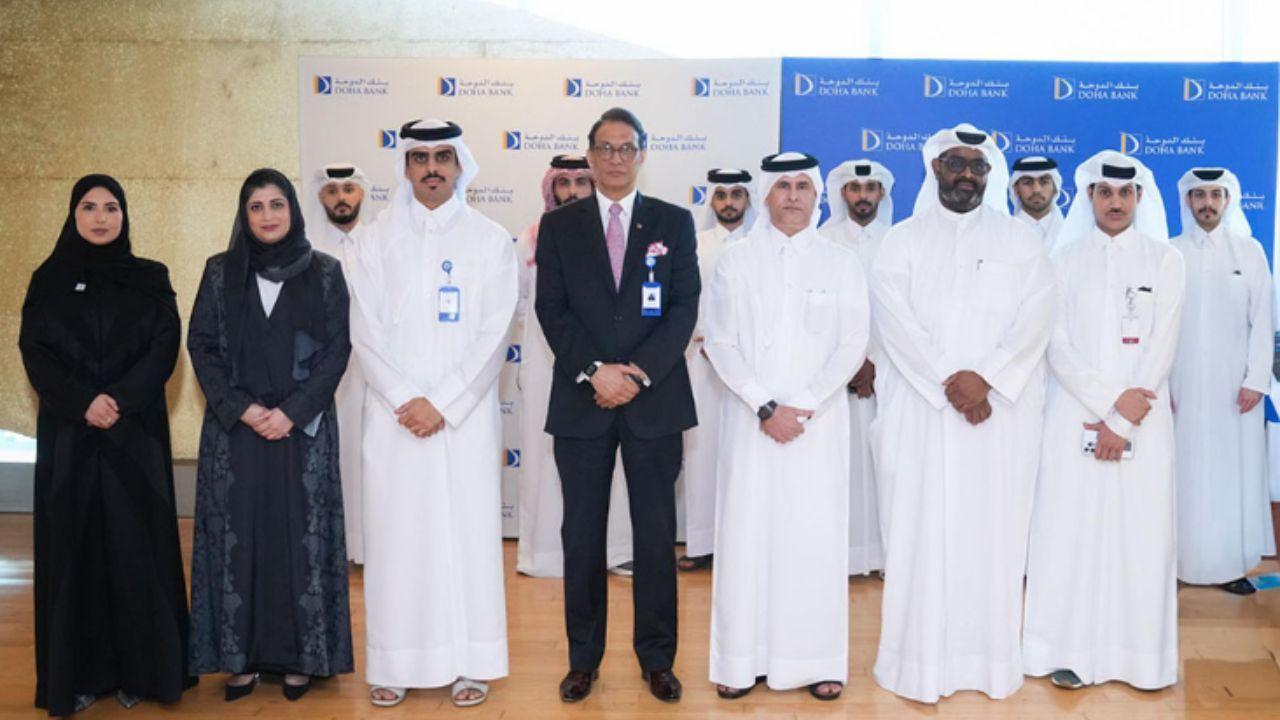
In an effort to support Qatari jobseekers and build a strong national workforce, the Ministry of Labour in Qatar, through its Qualifying and Skills Development Department, has partnered with Doha Bank to launch a new customer service training-to-employment program.
The initiative is aimed at preparing young Qataris for successful careers in the banking sector. An introductory session was recently held to explain how the program works, who can join, and what participants can expect.
Who Attended the Introductory Session?
The session was attended by a diverse group of Qatari jobseekers and children of Qatari women, including university graduates and high school diploma holders. These individuals are among those being prioritized by the ministry’s nationalization strategy, which focuses on increasing Qatari representation in the private sector—especially in industries like banking, where demand is growing.
Participants had the chance to learn about
What is the Customer Service Training Program About?
This six-month program is designed to equip participants with essential professional and customer service skills that are needed in the banking industry. The training is
-
Practical and hands-on
-
Delivered inside Doha Bank
-
Focused on real-life scenarios and daily banking operations
-
Meant to prepare candidates for client-facing roles
By working in a real banking environment, participants will be better prepared to handle actual customer service responsibilities when hired full-time.
Part of a Bigger Strategy to Employ Nationals
This program is not a standalone effort. It is part of the Ministry of Labour’s larger plan to help Qatari citizens find meaningful, long-term jobs in important fields. One of the ministry’s key goals is to boost Qatari employment in private sector companies, especially in areas like banking and finance that are vital to Qatar’s economic future.
This aligns directly with the goals of the Third National Development Strategy and the Qatar National Vision 2030—which highlights the importance of human development and preparing Qatari youth for future leadership.
Developing Skills That Match Labor Market Needs
One of the major advantages of this training program is that it’s tailored to what employers in the banking sector are actually looking for. By providing targeted skills development, the ministry is helping jobseekers:
-
Become more confident and competitive.
-
Gain relevant, real-world experience.
-
Transition smoothly from training into employment.
-
Contribute directly to Qatar’s economic growth.
This is essential for building a sustainable and highly skilled workforce that can lead Qatar into the future.
A Strong Partnership with the Private Sector
The Ministry of Labour emphasized the importance of working closely with private institutions like Doha Bank, which plays a key role in training and hiring participants.
This public-private collaboration is an important part of national development. It ensures that job training programs stay relevant, practical, and effective for both job seekers and employers.
Year-Round Training Programs
This is just one of many training programs that the Ministry of Labor runs throughout the year. All are focused on helping Qataris gain the knowledge and experience they need to enter the workforce.
Each program is built around real-world needs and trends in the job market, making sure that national talent is well-prepared for success.
Supporting Qatari Women and Families
It’s also important to note that children of Qatari women are included in the program. This reflects the ministry’s inclusive approach and commitment to providing opportunities to a broader group of nationals.
By extending these training initiatives to all eligible groups, the ministry is ensuring equal access to education and employment for as many people as possible.
Aligning with Qatar’s National Vision
This initiative directly supports Qatar National Vision 2030, particularly the Human Development Pillar, which focuses on
-
Building a skilled national workforce
-
Supporting lifelong learning
-
Encouraging private sector employment
-
Empowering youth and families to lead successful lives
The ministry’s consistent efforts to launch and maintain job training programs show its deep commitment to the country’s long-term growth.
A Future-Ready Workforce
The customer service training-to-employment program with Doha Bank represents more than just job training—it’s a strategic investment in Qatar’s future. By focusing on real skills, real experience, and real job placements, the Ministry of Labour is helping create a generation of confident, capable, and career-ready Qataris.
As Qatar moves forward with its national development strategies, initiatives like this will play a key role in empowering youth, strengthening the economy, and shaping a sustainable future for all.
If you’re a job seeker looking for opportunities in banking or other high-demand sectors, keep an eye on the ministry’s future programs—they’re designed with you in mind.


 English