Post by : Mariam
Al-Faris
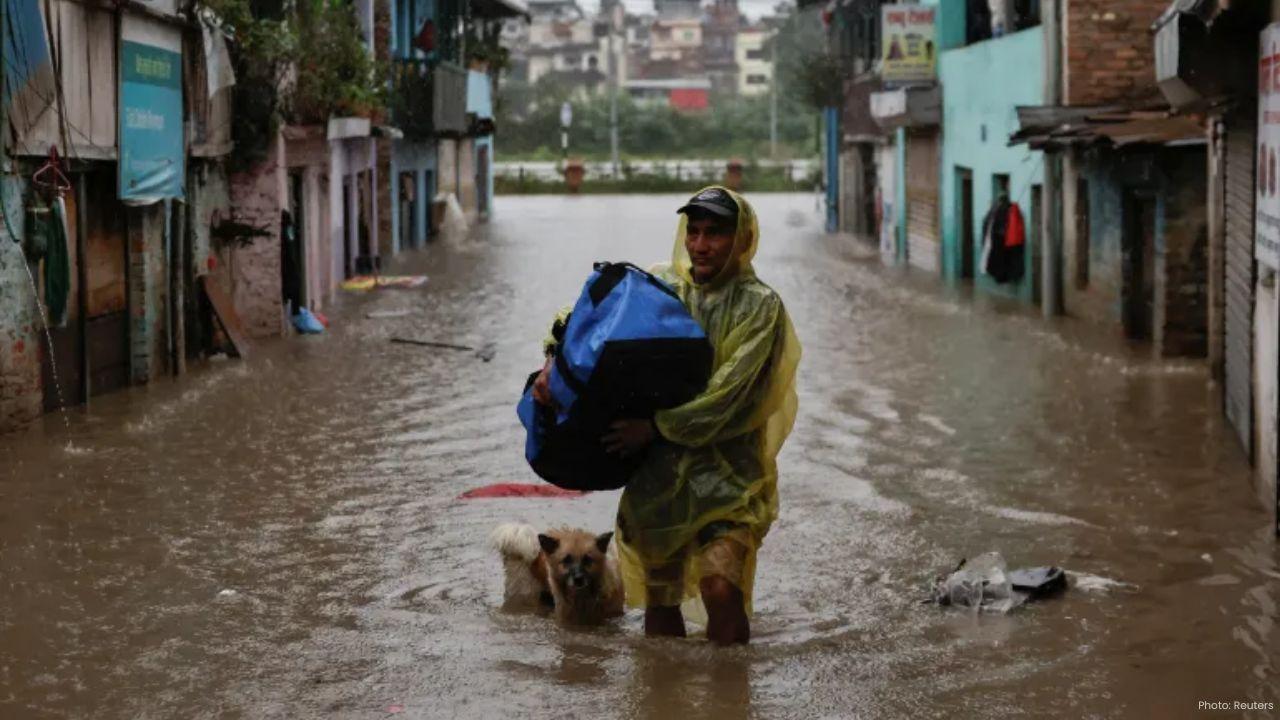
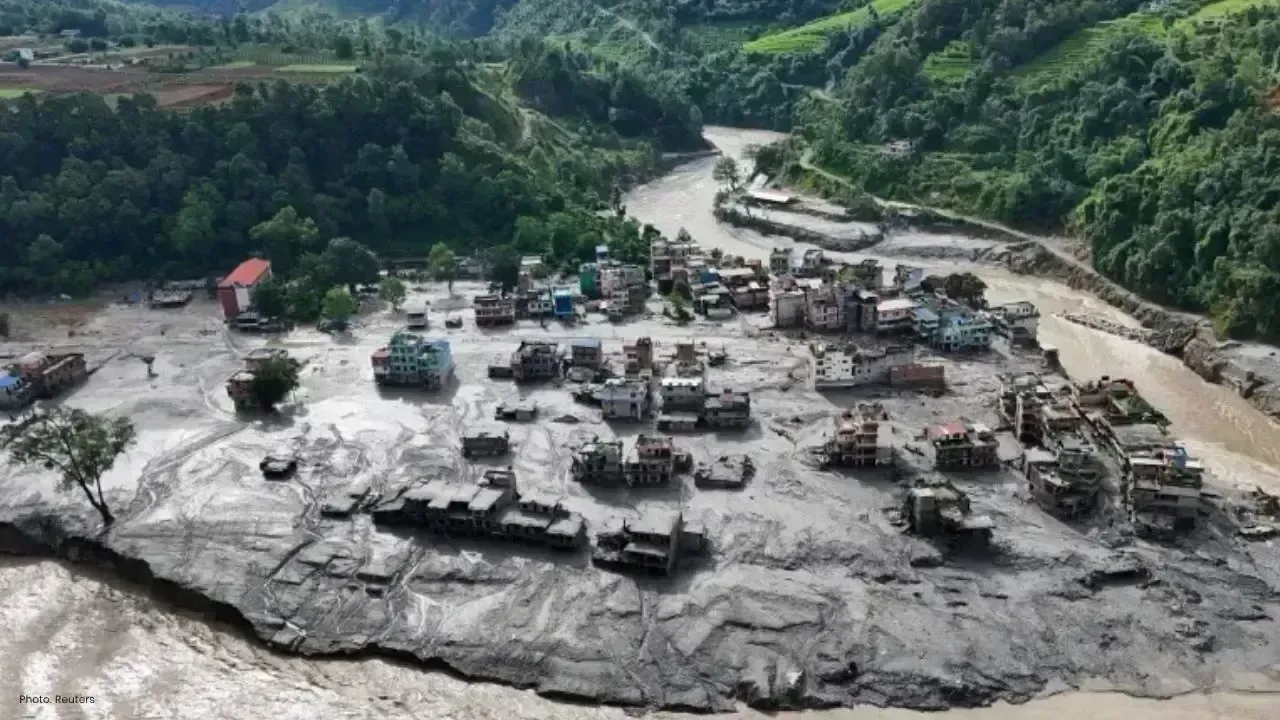
Heavy rains that began on October 3 have caused severe floods and landslides across Nepal and eastern India. The downpours, which lasted several days, have killed more than 70 people, leaving many areas cut off and rescue teams racing against time to deliver aid.
Nepal Faces Severe Flooding
In Nepal, at least 46 people have died due to rain-related incidents, while six others remain missing. Torrential rains caused rivers to swell and landslides to block roads, isolating several communities. Local authorities report that rescuers had to walk long distances through hilly terrain and use ropes to cross dangerous rivers in their efforts to reach stranded villagers.
Rescue Operations in Progress
Nepalese security forces have deployed helicopters and motorboats to reach affected regions. With the rain easing, teams are focusing on providing relief, clearing debris, and rescuing people stranded in villages. Many highways blocked over the weekend have slowly reopened, allowing movement of stranded residents, especially those returning after the Hindu festival of Dashain.
Eastern India Hit Hard
Across the border in eastern India, at least 28 people have died due to the storms, particularly in the tea-growing hills of Darjeeling in West Bengal. Landslides have been reported in 35 locations, destroying more than 100 houses. Officials warn that the death toll may rise as rescuers reach remote and cut-off areas.
Stranded Tourists and Local Impact
Hundreds of tourists remain stranded in and around Darjeeling due to blocked roads. Some have been rescued using elephants, while others continue to wait for safe passage. Residents report that homes were destroyed in landslides, with structures on hilltops collapsing like “houses of cards,” leaving families homeless and communities devastated.
Climate Change Intensifies Monsoon Risks
Experts say that climate change has worsened the intensity, frequency, and timing of monsoon rains in South Asia. Traditionally, monsoons occur from June to September, but changing weather patterns have led to more unpredictable and severe flooding events, increasing the risk to lives, property, and local economies.
Authorities in both countries continue to prioritize rescue and relief operations. Efforts include clearing roads, delivering emergency supplies, and coordinating with local communities to ensure that stranded residents and tourists receive assistance. The focus remains on saving lives and restoring basic services in affected regions.
Despite the easing of rainfall, many remote villages remain isolated due to damaged infrastructure. Authorities warn that the full impact may not be known for days as rescuers work to access the hardest-hit areas, and residents remain cautious amid fears of further landslides or flooding.


 English