Post by : Mariam
Al-Faris
Photo: AFP
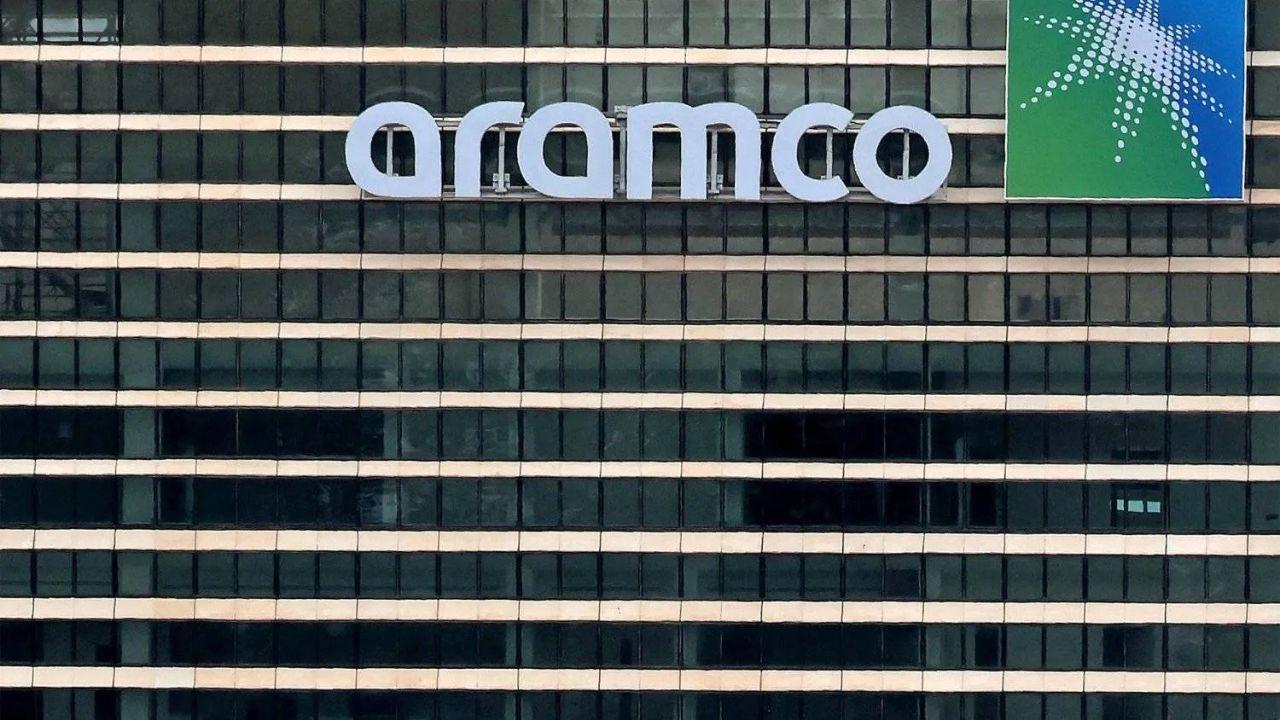
Saudi Aramco, the world’s largest oil exporter and a company owned by the Saudi government, has officially announced that it will increase the price of its most popular oil type, Arab Light, for Asian customers starting in August. This decision, released in a statement on Sunday, reflects Aramco’s monthly review of global market conditions, refinery feedback, and product value. The move comes at a time when global demand for oil is gradually rising again.
What Is Arab Light Crude Oil?
Arab Light crude oil is one of the five different grades of oil that Aramco produces. These grades are based on how dense or thick the oil is, which affects how easily it can be refined and what products it can produce. Arab Light falls in the mid-range category and is known for being suitable for producing gasoline and diesel. The five grades are
-
Super Light (density above 40)
-
Arab Extra Light (36–40)
-
Arab Light (32–36)
-
Arab Medium (29–32)
-
Arab Heavy (below 29)
Among these, Arab Light is the most widely sold and exported, especially to countries in Asia.
How Much Is the Price Increase?
The new price for Arab Light crude oil for August is $2.20 per barrel above the average prices of two regional benchmarks—Oman and Dubai crude oil. Compared to July, this is a $1 per barrel increase, making it the highest price level for Arab Light since April, when it stood at $3.50 above the same benchmark. This upward shift shows Saudi Aramco’s confidence in the global oil market and its expectations for stronger demand from Asian countries.
Why the Price Hike Now?
There are a few key reasons for this price hike. First, economic activity is increasing again in many Asian countries, which leads to higher energy use—more factories running, more vehicles on the road, and more electricity being used. Second, eight OPEC+ countries recently agreed to increase their combined oil production by 548,000 barrels per day in August. This production boost shows that oil producers believe demand is strong enough to support higher output and slightly higher prices. Finally, Aramco uses a methodical approach every month to decide its prices, taking into account global trends, refinery needs, and the value of oil products.
Prices of Other Oil Types Also Go Up
It’s not just Arab Light that is seeing a price hike. Aramco also raised the prices of other types of crude oil for August:
-
Arab Extra Light will be $1.30 per barrel more.
-
Arab Heavy will go up by $0.90 per barrel.
These increases also apply mainly to oil being exported to Asian countries, which account for a large share of Aramco’s global customer base. These changes suggest that Saudi Aramco expects demand across different oil qualities to remain strong.
Why Asia Is So Important for Aramco
Asia is the biggest customer base for Saudi oil. Countries like China, India, Japan, and South Korea rely heavily on imported oil to keep their industries and transportation running. Saudi Aramco exports nearly 9 million barrels of oil per day, and a large portion of that goes to Asia. That means when Aramco changes its prices, it has a huge effect on the entire region’s energy costs and influences how other oil producers like Iran, Iraq, and Kuwait price their oil.
North American Oil Prices Also Raised
While Asia is the biggest market, Saudi Aramco also sells oil to North America. For August, it has set the price for Arab Light crude at $3.90 per barrel above the Argus Sour Crude Index, which is the pricing benchmark for sour (high-sulfur) crude oil used in the U.S. market. This increase also reflects strong demand and competitive positioning in North America, even though the pricing strategy there is different from Asia’s.
How Aramco Decides on Price Changes
Aramco doesn’t make these decisions alone or randomly. Every month, it gathers feedback from refineries around the world, studies how crude oil is performing in the market, and checks how much refiners are earning from different types of oil. They also consider how much refined product (like petrol, diesel, and jet fuel) can be made from each barrel and whether those products are selling at good prices. All these factors are carefully analyzed to come up with Official Selling Prices (OSPs) for each region.
What This Means for Consumers
Even though this news might sound like something only big oil companies or governments care about, it can also impact everyday people. When crude oil prices go up, fuel prices at gas stations usually follow—sometimes with a delay. This means you might see slightly higher petrol or diesel prices in the coming weeks or months. Also, shipping and transportation costs go up when fuel is more expensive, which can make the cost of groceries, clothes, electronics, and other goods rise as well.
Impact on Airlines and Businesses
Airlines are especially sensitive to fuel price changes. Jet fuel is one of their biggest expenses. So, when oil becomes more expensive, airlines may raise ticket prices or reduce the number of flights to manage their costs. Similarly, freight companies, delivery services, and manufacturing industries may also pass on the extra cost to consumers. The ripple effects of Saudi Aramco’s pricing decisions are felt across the global economy.
A Sign of Growing Global Energy Demand
Saudi Aramco’s decision to raise prices for its Arab Light crude in Asia and other oil grades is a clear sign that it believes global demand for energy is recovering. As economies bounce back, especially in Asia, oil use is expected to grow—which justifies slightly higher prices. The price hikes also show Aramco’s influence in setting the tone for oil markets worldwide. For businesses and consumers alike, this could mean preparing for a rise in fuel costs and overall energy-related expenses in the near future.


 English