Post by : Anis
Al-Rashid
Transforming Urban Movement
In cities around the globe, including major Indian metropolises, the challenge of mobility has reached critical levels. Traffic congestion is rampant, fuel prices are unstable, and urban air quality is deteriorating. Authorities are compelled to take decisive action, enforcing regulations and initiating projects that alter daily commuting practices.
Transportation transcends personal habits; it embodies a broader public concern with ramifications for the economy, health, and environment. As a result, urban planners, ministries, and transport authorities are shifting focus towards disciplined management of road and rail systems, emphasizing sustainability over mere comfort.
The Necessity for Policy Changes
Previously viewed as a marker of success, private car ownership now brings frustration amid increasing road congestion. As vehicle populations rise without corresponding road expansion, productivity suffers and pollution impacts public health significantly.
Policymakers recognize that constructing more roads simply invites further traffic. The emphasis is shifting to altering behavior through regulation. Consequently, governments are crafting policies that raise personal vehicle costs while enhancing the appeal of public transport.
Leveraging Fuel Prices and Parking Regulations
Soaring fuel costs are not merely a byproduct of global markets; they serve as tools used by governments to deter excessive private vehicle reliance. Across many urban areas, parking fees have surged, roadside parking has been restricted, and penalties tightened.
These measures aim to manage vehicle volume rather than penalize taxpayers. Increased expenses and inconveniences associated with personal vehicle use naturally prompt individuals to reassess their travel habits. For instance, a steep parking fee in a busy area encourages commuters to evaluate the costs versus the convenience of driving.
Public Transit as an Attractive Option
Historically, public transport catered to those unable to afford private vehicles. Today's narrative is changing; modern metros, electric buses, and integrated ticketing systems make public transport a desirable alternative.
Cities are allocating significant budgetary portions to integrate metro systems, buses, and suburban rail networks. Innovations like real-time tracking apps and digital payment solutions enhance the commuting experience dramatically.
Narrowing the Comfort Gap
Historically, personal vehicles excelled in providing comfort, privacy, and safety, while public transport was synonymous with noise and overcrowding. However, this gap is narrowing as new transit solutions focus on comfort and efficiency.
Modern public transit options prioritize comfort, featuring quieter, air-conditioned vehicles and dedicated seating. Public stations are being upgraded for accessibility, turning commuting into a more pleasant experience.
Challenges Posed by Electric Vehicles
While electric vehicles offer cleaner alternatives to conventional cars, they haven't alleviated the congestion issue. Roads remain congested, and the parking situation is unyielding.
Thus, focus is shifting towards electric public transport solutions, ensuring fresher air quality while reducing traffic flows.
Middle-Class Resistance Persists
Despite advancements in public transport, many individuals find it difficult to abandon personal vehicles due to status, habit, and convenience. Families often view their cars as essential security, and professionals associate them with flexibility.
This ingrained resistance can impede policy adjustments, as higher fees and service disruptions instigate dissatisfaction among users.
Urban Planning Focused on Transit Systems
Recent developments aim to restructure cities to facilitate public transport systems. New commercial and residential areas are being developed near transit hubs to promote lower vehicle dependency.
This strategic planning encourages natural public transport use by making it the default choice.
Safety: A Cornerstone of Community Trust
No initiative can succeed without public trust in safety. Thus, extensive investments in surveillance, enhanced lighting, and emergency services are being made to bolster perceptions of security on public transport.
Trust will drive greater usage of public options; if it's not established, incentives fall flat.
Financial Considerations Are Key
Costs associated with personal vehicles extend beyond basic fuel expenses, encompassing insurance and maintenance. In many cases, monthly car ownership costs rival housing expenses.
Conversely, public transport allows for predictable budgeting, presenting a reliable choice amidst fluctuating costs.
Environmental Pressures Trigger Political Action
Intensified climate commitments mandate urban officials to proactively tackle emissions. Transport remains a significant pollution contributor, and public transit can provide immediate mitigation benefits.
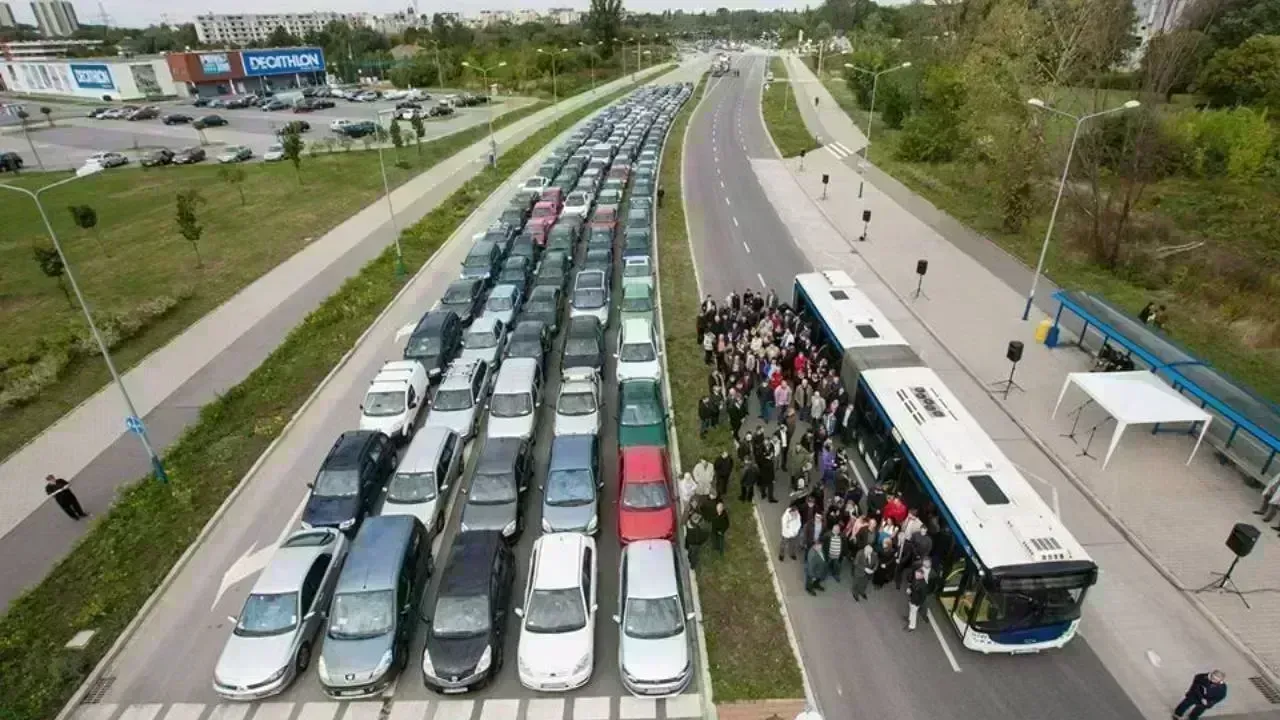
Utilizing public transport can significantly curb urban emissions; a single bus can replace up to 40 cars.
Anticipating Future Developments
Expect to see:
- Increased restrictions in central urban areas.
- Congestion pricing.
- Adjusted fuel costs.
- Expanded metro systems.
- Introduction of dedicated bus lanes.
- Enhanced parking charges.
- Streamlined ticketing options.
- Electric public transportation fleets.
Urban mobility is continuously evolving.
The era of unrestricted road use is concluding.
Defining the Future Through Choice
Modern governance is pivoting from prohibitions to persuasion, nudging public preferences toward efficient, cleaner, and safer transport options.
Successful mobility reform relies on citizens feeling empowered rather than controlled.
Conclusion: Rethinking Road Use
Cities aim not to eliminate personal vehicles but to champion livability.
Urban environments must prioritize human needs over mere traffic flow. No longer is the decision simply between cars or buses; it’s about order versus chaos.
While public transport isn't flawless, it is crucial.
The future leans towards communal transit instead of individual ownership.
DISCLAIMER
This article serves general informational purposes and does not represent policy, legal, or transport advice. Regional policies may vary, and readers should consult official notifications for accurate updates.


 English