Post by : Shweta
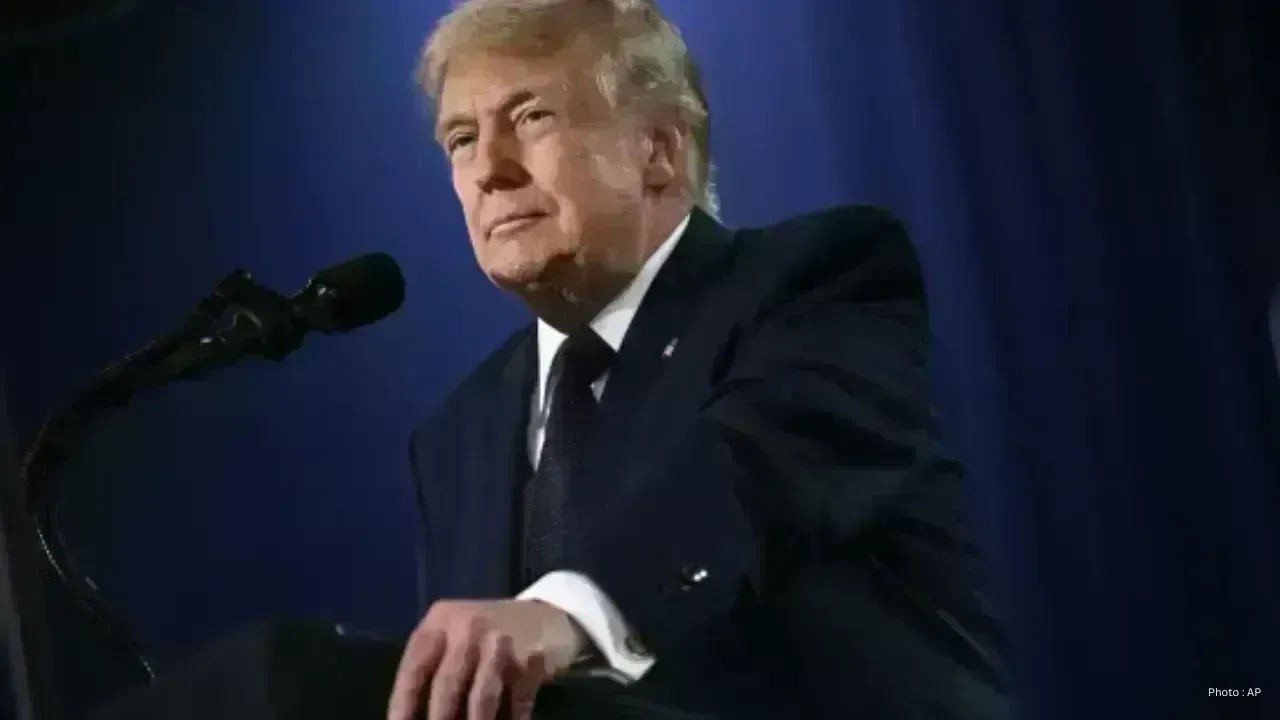
US Secretary of State Marco Rubio has emphasized that President Donald Trump is “not going to make a bad deal” regarding Iran, as negotiations regarding a peace agreement tied to the Middle East conflict and the reopening of the Strait of Hormuz are in progress. Rubio referred to the current discussions as “pretty solid,” underlining that the US would only endorse terms that safeguard American interests and enhance regional security.
This statement follows Trump’s assertion that a deal with Iran and the reopening of the Strait of Hormuz were “largely negotiated.” He instructed his team to ensure no rush towards a final agreement. Reports indicate the proposed framework includes a ceasefire, the reopening of the strategic shipping lane, and renewed talks about Iran’s nuclear program and sanctions procedures.
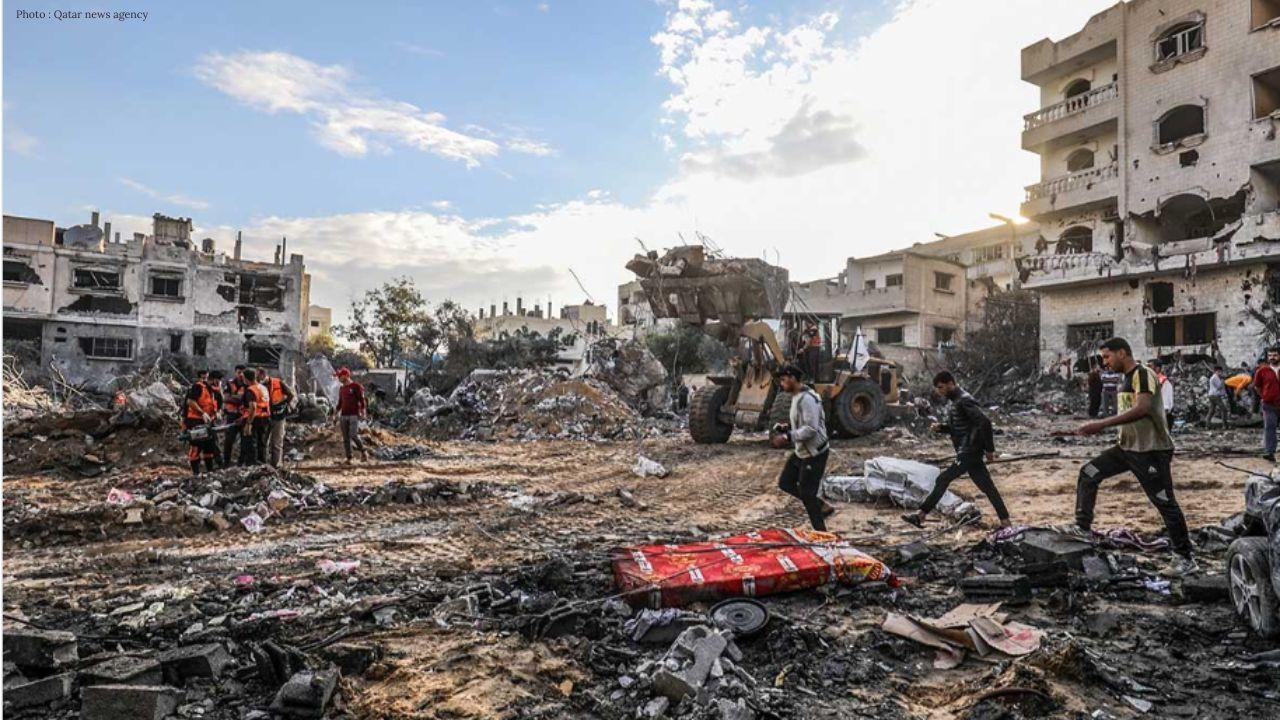
The Strait of Hormuz serves as a critical oil transport artery, conveying nearly one-fifth of the world's oil supplies. Recent tensions between Iran, the US, and Israel have disrupted shipping operations and intensified fears of broader regional conflict, impacting global oil prices amid concerns regarding military actions in the Gulf.
Citing senior US officials, media stated that Iran has agreed “in principle” to discuss reopening the Strait of Hormuz and to talk about its enriched uranium supplies. In return, the US may consider easing some restrictions around naval blockades and Iranian oil exports, but significant disagreements about Iran’s nuclear program, sanctions relief, and regional security persist.
Rubio faced challenges from several Republican figures and foreign policy advocates who argue that the proposed deal could grant Iran excessive concessions. Critics warn that reducing sanctions or pressure on Tehran without reliable guarantees might enhance Iran’s influence across the region. Nevertheless, Rubio defended the ongoing diplomatic initiatives, asserting that the administration aims to avert further escalation in the Middle East.
Iranian officials have yet to verify all details brought forth by Trump and US officials. Iranian media reports indicate Tehran desires stronger guarantees concerning future military actions and control over shipping security in the Strait of Hormuz. Iran remains cautious, influenced by previous tensions and the collapse of past nuclear discussions.
Ongoing diplomatic efforts involving countries such as Pakistan, Saudi Arabia, Qatar, Turkey, Oman, and the UAE highlight regional leaders’ aims for a peaceful resolution. Analysts suggest that a successful agreement could diffuse military tensions, stabilize global energy markets, and avert further escalation in the Middle East. However, experts acknowledge that negotiations remain precarious and susceptible to setbacks over issues surrounding nuclear restrictions and sanctions.


 English