Post by : Bianca
Haleem
Iran has announced the reopening of the Strait of Hormuz for commercial shipping, indicating a temporary reduction in regional tensions amid an ongoing ceasefire.
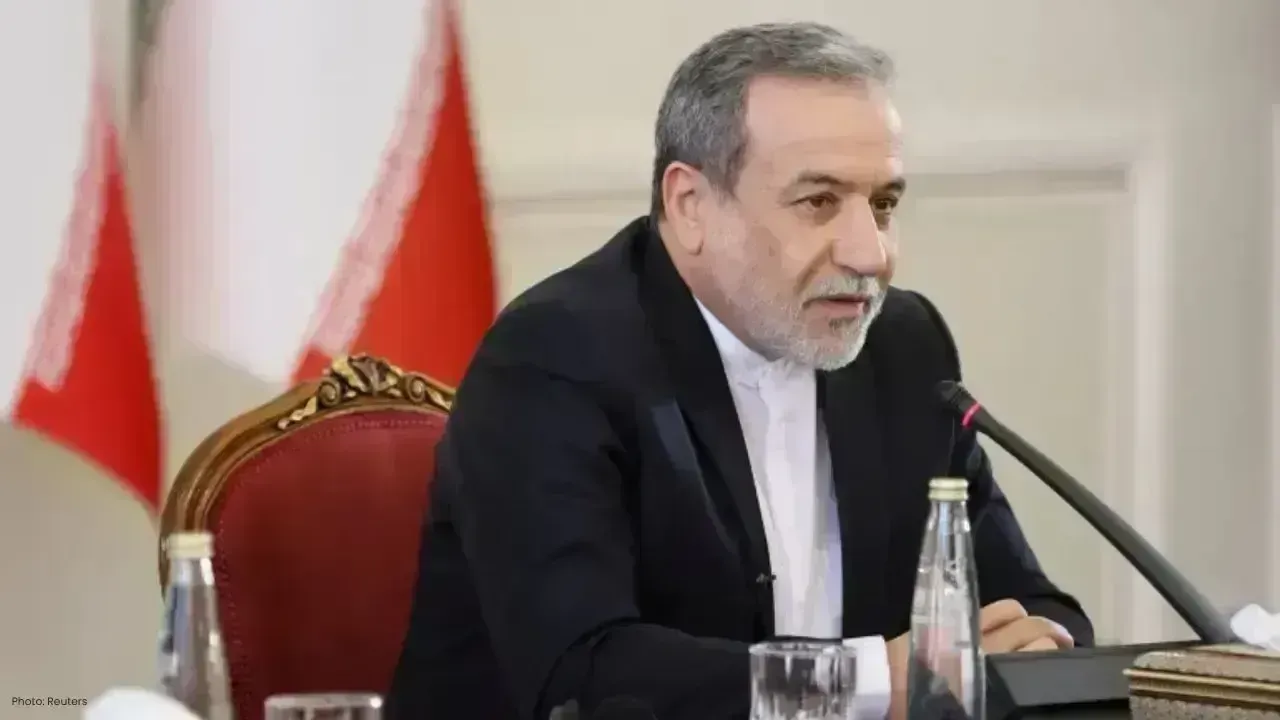
Iran's Foreign Minister Abbas Araghchi stated that all commercial vessels can now traverse this critical waterway. Movement will, however, remain monitored, as ships must adhere to specific routes defined by Iran's maritime authorities.
This reopening coincides with a delicate 10-day ceasefire agreement between Israel and Lebanon. There are still uncertainties about Hezbollah, the Iranian-backed militant group in southern Lebanon, fully observing the ceasefire.
Impact on Oil Prices
The announcement has led to an immediate response from global oil markets.
This marks a notable decrease, reflecting diminished fears over potential supply interruptions through a waterway that accounts for nearly 20% of global oil and gas transportation.
US Response and Ongoing Pressure
US President Donald Trump has confirmed the Strait is now "open and ready for business," yet he noted that the US naval blockade around Iran will continue until a wider agreement is established.
He has claimed that Iran has consented not to exploit the Strait for geopolitical leverage in the future, although this commitment has not been verified independently.
Despite reopening the Strait, Iran has made it clear that only non-military vessels can pass, with all movements subject to approval from its naval forces.
Context of the Conflict
The ongoing conflict involving the US, Israel, and Iran, which commenced on February 28, has resulted in over 3,000 casualties. At the height of tensions, Iran had barred access to the Strait, sparking global alarm over energy supply chains.
In reaction to these developments, the US implemented a naval blockade of Iranian ports after diplomatic efforts yielded no breakthrough.
Prospects for Diplomacy and Agreements
Trump suggested that an agreement to resolve the conflict is "very close," with no significant hurdles remaining. Reportedly, discussions include aspects related to Iran’s nuclear agenda, though Tehran denies negotiating about enriched uranium transfers.
Ceasefire Dynamics in Lebanon
The President also indicated that Israel has been directed to cease bombing operations in Lebanon. While there have been no major airstrikes reported recently, minor military actions, including artillery fire in southern Lebanon, continue.
Analysts believe that the ceasefire is a positive advancement; however, the likelihood of a lasting peace agreement remains in question. Still, ongoing diplomatic dialogues could aid in gradually stabilizing the area.


 English