Post by : Saif
Al-Najjar
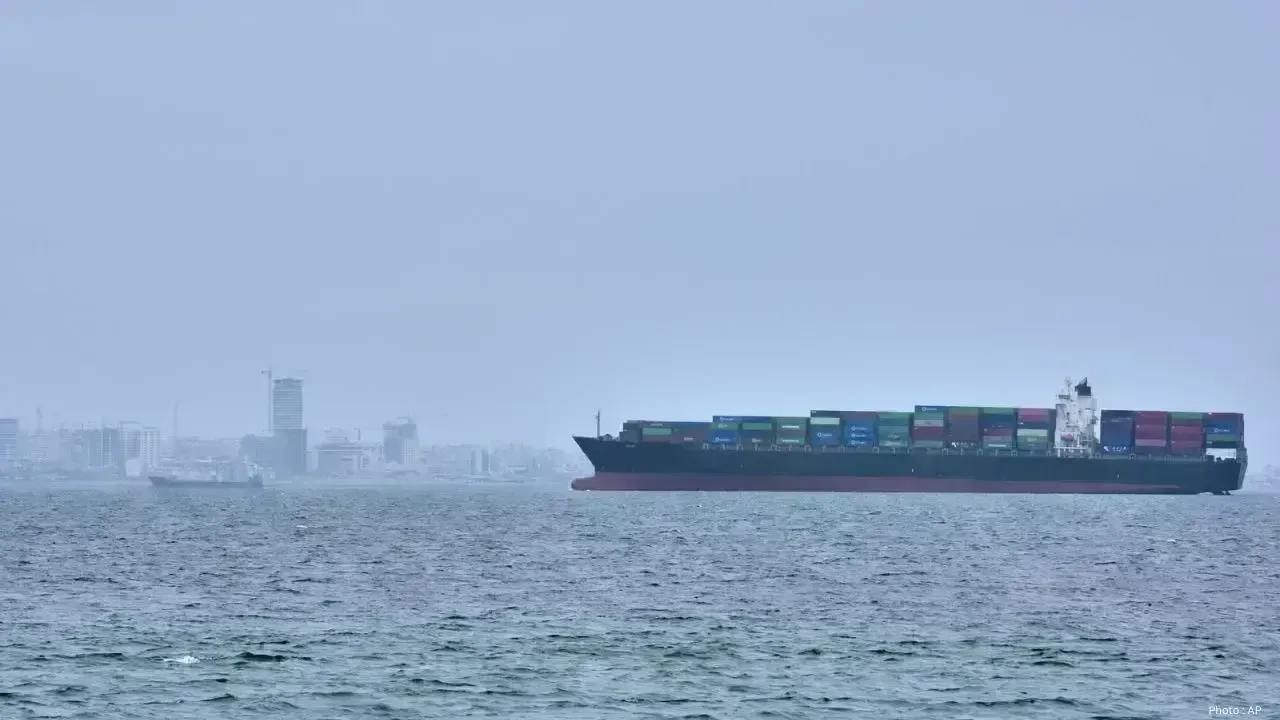
The escalating tensions in the Strait of Hormuz have garnered considerable international attention as Iran and the United States confront each other. This narrow channel stands as a vital artery for global oil transport, where any disruption could seriously impact energy supplies, trade, and economies worldwide.
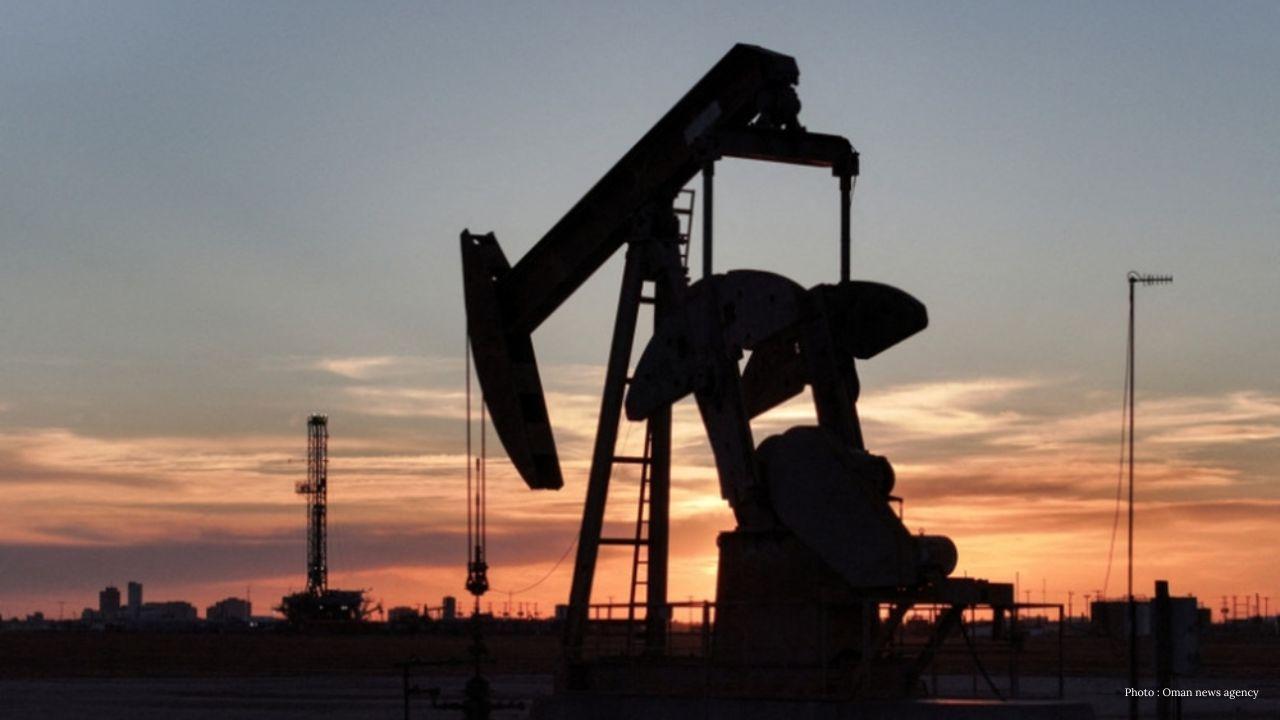
Recent analyses indicate a notable decline in shipping activity amid heightened security concerns. Oil tankers and other vessels are navigating with increased caution, with some shipping companies choosing to reroute entirely. Such uncertainties have influenced global markets, resulting in an uptick in oil prices.
The Strait of Hormuz transports a significant percentage of the world’s oil. Threats to this route have repercussions extending well beyond the Middle East, potentially leading to elevated fuel prices for importing nations, which could then affect transportation, food prices, and everyday living costs.
This ongoing crisis ties back to mounting tensions between Iran and the US, with both nations bolstering their military presence in the area. While the US aims to safeguard maritime trade, Iran demonstrates its capability to impede traffic through the strait, creating a precarious situation with no evident resolution.
Editorially, this crisis illustrates the vulnerability of global trade channels. Even minor disruptions in pivotal regions can cascade into substantial ramifications for the global economy, underscoring the intricate links between energy markets and geopolitical developments.
Experts caution that securing the Strait of Hormuz poses significant challenges. Its narrow, bustling waters are difficult to monitor thoroughly, with contemporary tactics like drones complicating the efforts of larger navies to maintain ship safety.
Moreover, the potential for escalation remains a pressing concern. Continued tension could plunge the region into broader conflict, adversely affecting oil transit and further straining global trade while increasing economic pressures across numerous countries.
In light of these developments, some businesses are seeking alternate shipping routes to evade the strait, though these alternatives are often limited and pricier, ensuring that the Strait of Hormuz remains a pivotal route for global energy transport.
For developing nations, the impact is particularly severe, as rising oil costs can drive inflation, making daily necessities increasingly expensive for families and hampering economic progression.
This situation further emphasizes the need for robust diplomatic interventions. While military presence can help to manage immediate threats, achieving sustainable stability hinges on constructive dialogue and collaboration between nations.
The current strains in the Strait of Hormuz represent not just a regional dilemma but a global hurdle affecting energy reliability, trade, and economic well-being. The upcoming days could prove crucial in determining whether the scenario improves or deteriorates.


 English