Post by : Raina
Al-Fahim
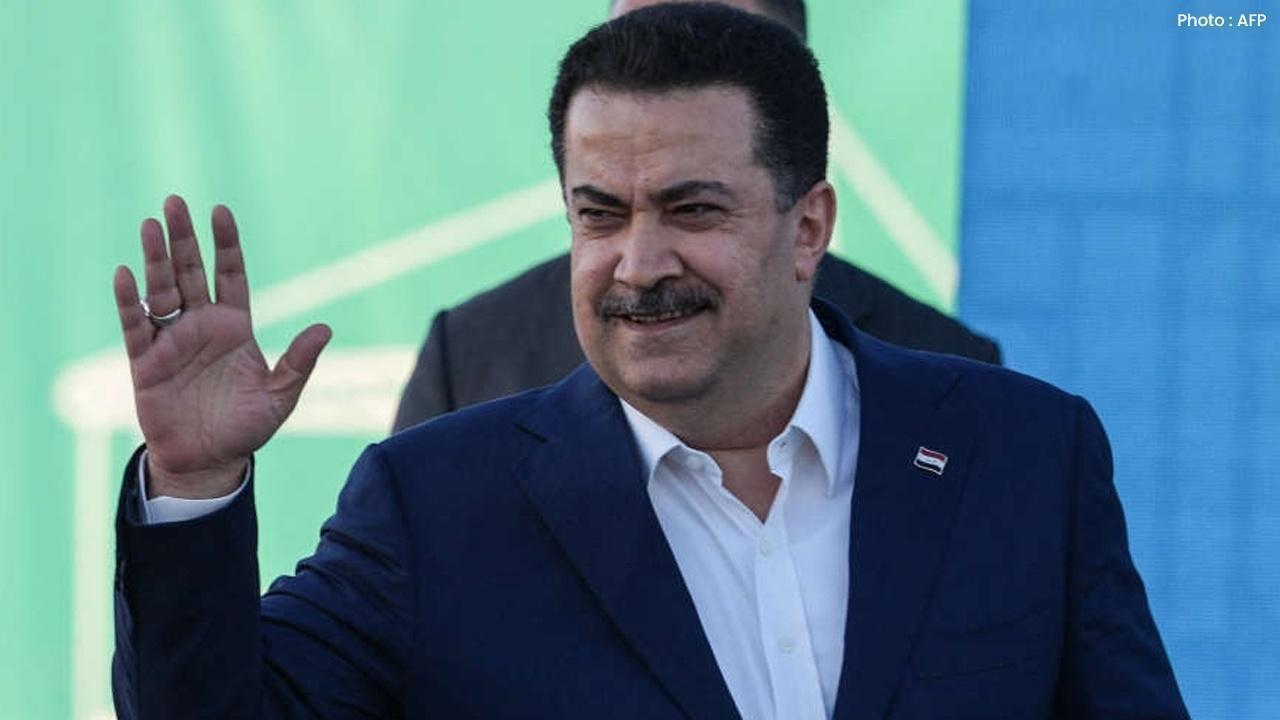
The political coalition led by Prime Minister Mohammed Shia al-Sudani has emerged as the largest winner in Iraq's recent parliamentary election, as per the final results published on Monday. However, the journey to form a new government is likely to be prolonged due to escalating discussions among major political entities aiming to establish a parliamentary majority.
The Independent High Electoral Commission reported that Sudani’s bloc managed to secure 46 seats in the 329-seat parliament, outperforming competing alliances. The State of Law coalition, helmed by former Prime Minister Nouri al-Maliki, secured 29 seats, while the Taqaddum Party, prominent in the Sunni-majority areas, claimed 27 seats. Additionally, the Kurdistan Democratic Party (KDP) took home 26 seats.
The commission disclosed that national voter turnout stood at 56.11 percent, demonstrating public engagement despite worries over the political environment and longstanding discontent among younger voters.
Government Formation and Political Dynamics
In light of the results, Iraq’s ruling coalition announced its status as the largest parliamentary grouping. Their alliance, including Sudani, indicated a commitment to nominate a prime minister for the forthcoming governance phase.
While Sudani seeks another term, numerous young voters voiced dissatisfaction during the election, perceiving the vote as an extension of established political elites monopolizing Iraq's oil wealth. Nevertheless, Sudani has portrayed himself as a potential stabilizing leader, aiming to enhance state institutions amidst years of political upheaval and security issues.
Navigating International Influence and Security Challenges
The forthcoming government is poised to tackle substantial responsibilities, entangled in both internal and external pressures. Iraq remains a significant point of interest for both Washington and Tehran. The new administration will need to manage relations with the U.S. while also addressing numerous armed groups with strong Iranian connections that often roam beyond the state's control.
U.S. officials have intensified demands for Baghdad to rein in armed factions, whereas Iranian-affiliated groups persist in wielding political and security clout across the nation. Balancing these influences will be a crucial test for the next Iraqi government.
Political Insights and Predictions
Leaders from the ruling coalition expressed optimism about forming a government equipped to meet prevailing challenges. However, analysts observe that the government formation process in Iraq can span several months, necessitating consensus across diverse political factions.
Experts note that, despite winning the most seats, Sudani’s bloc will need to engage in negotiations with a variety of factions, including Sunni, Shia, and Kurdish groups, to construct a stable governing majority—an endeavor historically fraught with delays and intricate political negotiations.


 English