Post by : Sami
Al-Rahmani
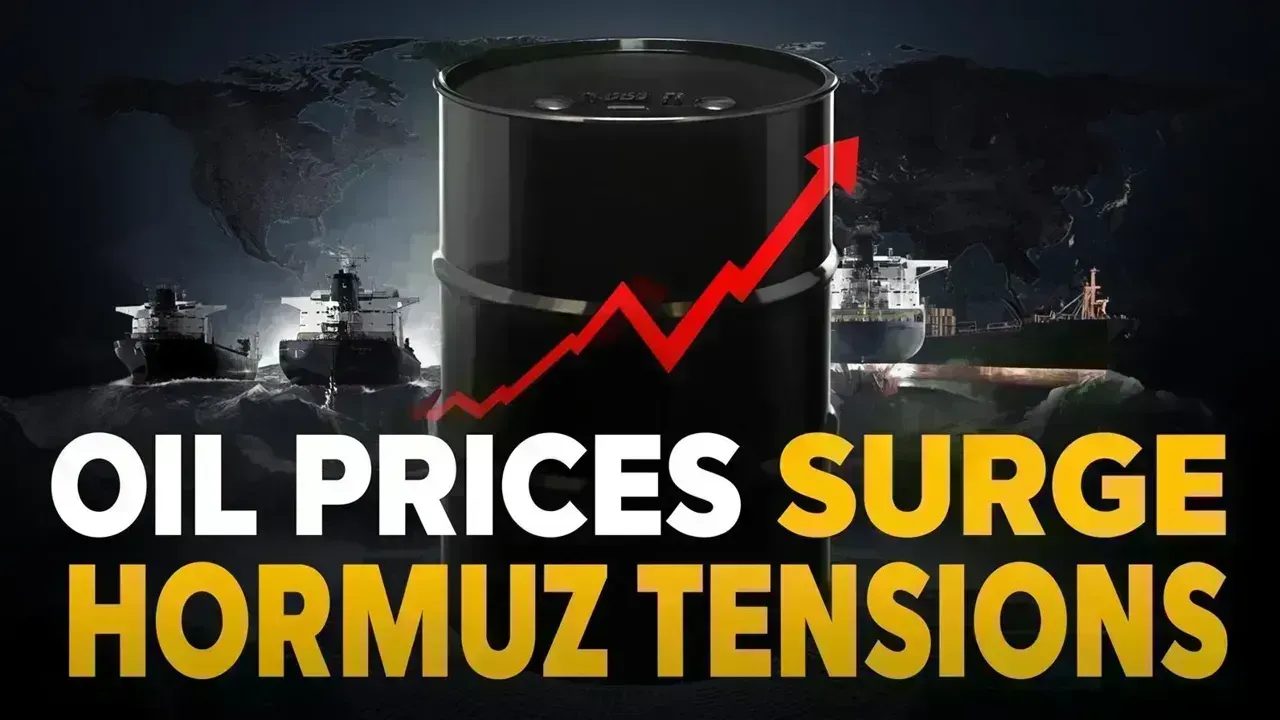
Surge in Oil Prices as Donald Trump Issues New Ultimatum Affecting the Strait of Hormuz; Prices Nearly Hit $111
Oil markets are currently experiencing a new wave of instability, driven by escalating tensions in the vital Strait of Hormuz. With Brent crude oil prices approaching $111, fears of supply interruptions and geopolitical conflicts are becoming increasingly pronounced. The recent remarks and ultimatum from Donald Trump have injected uncertainty into a precarious global energy sector.
The Strait of Hormuz is a crucial maritime passage, vital for transporting a substantial portion of the world’s oil supply. Any signs of instability here can trigger immediate reactions in energy markets, shipping sectors, and the global economy.
This isn’t merely a momentary price surge; it exposes deeper geopolitical rifts that threaten global oil distribution networks.
The Strategic Importance of the Strait of Hormuz
To appreciate the gravity of the circumstances, one must acknowledge the strategic significance of the Strait of Hormuz. Approximately 20% of the world's oil supply navigates through this critical route daily. Countries in the Gulf heavily depend on this corridor for exporting crude oil.
Even a minor disruption—real or perceived—can prompt swift responses:
- Oil traders begin factoring in risks
- Insurance for shipping rises
- Freight activities slow
- Global supply chains face disruption
The circumstances have rekindled fears that conflict may lead to a severe disruption of this essential passage.
Market Reactions to Trump’s Remarks
Trump's statements and subsequent ultimatum have notably shifted market sentiment. Political messages can dramatically reshape assumptions regardless of existing physical shortages.
Market behaviors are influenced by both actual events and perceived risks. Key responses include:
- Traders forecasting potential military interventions
- Energy companies bracing for uncertainties in supply
- Governments engaging in contingency planning
This cascading effect results in rising oil values, driven not solely by current shortages, but fears of impending disruptions.
Significance of Brent Crude Approaching $111
Brent crude nearing $111 is a pivotal indicator, representing both concerns over supply and broader economic ramifications.
A price at this level suggests:
- Global fuel expenses are set to rise
- Transportation costs escalate
- Manufacturing costs soar
- Inflationary pressures increase
For numerous countries, especially those reliant on imports, climbing oil prices severely impact economic stability, leading to heightened costs for everyday goods and services.
Broader Economic Implications Are Clear
The surge in oil prices extends beyond just the energy sector. Its repercussions ripple through various industries, triggering a chain reaction.
Transportation Sector:
Airlines and shipping corporations encounter cost increases, leading to higher fares and shipping charges.
Manufacturing Sector:
Fuel-dependent industries face hiking operational costs, often passed on to consumers.
Consumer Effects:
From rising gas prices to increased grocery bills, these changes contribute to inflation and an uptick in living costs.
Stock Markets:
Investor confidence dips, resulting in market volatility.
Geopolitical Factors at Play
The current landscape underscores the intricate links between geopolitics and energy markets. The Middle East continues to be a volatile region regarding global oil resources, and escalations rapidly affect international finance.
Recent developments have seen:
- Increased military presence in the area
- Heightened diplomatic tensions
- Global powers engaging in close observation
Even in the absence of direct conflict, the specter of escalation can significantly drive oil pricing strategies and international trade behaviors.
Shipping Risks and Supply Chain Challenges
Beyond fluctuating oil prices, the current tensions disrupt international shipping routes. The Strait of Hormuz is essential not only for oil but for broader maritime commerce.
Risks manifest as:
- Rising shipping insurance rates
- Delays in cargo transport
- Vessel rerouting
- Increased logistics expenditures
Such developments lead to climbing costs across global supply frameworks, intensifying pressures on already stressed systems.
Future Outlook
The trajectory of oil prices will depend substantially on the evolution of current events.
Potential scenarios may include:
- De-escalation: Prices may stabilize
- Ongoing uncertainty: Markets could remain volatile
- Escalation: Prices may rise further
Markets appear to be in a reactive state, awaiting updates regarding this evolving situation.
Real-Life Implications
This is not merely a geopolitical problem; the repercussions are tangible and affect the daily lives of individuals.
People may observe:
- Increasing fuel costs
- Higher transportation expenses
- Rising prices for goods and services
- An overall increase in living expenses
Given that energy is integral to modern economies, any disruptions will impact daily life in profound ways.
A Broader View on Energy Sustainability
This situation underscores the necessity for energy diversification. Nations worldwide are prioritizing:
- Exploring alternative energy sources
- Maintaining strategic oil reserves
- Reducing reliance on key routes
Incidents like these remind us of the vulnerabilities embedded within global systems due to geopolitical risks.
Conclusion
The spike in oil prices due to Trump's ultimatum and tensions surrounding the Strait of Hormuz signifies not just a transient market reaction; it reveals deeper insecurities in energy policies and geopolitics.
As Brent crude nears $111, the world grapples with the speed at which geopolitical shifts can redefine economic landscapes. The forthcoming days will prove vital in determining whether this fluctuation is fleeting or the onset of a prolonged era of elevated energy costs.
Disclaimer
This article serves informational purposes and reflects current global events and market dynamics. Economic and geopolitical conditions are subject to swift changes.


 English