Post by : Shweta
As warmer weather prevails, health authorities are emphasizing the need for heightened vigilance against tick bites across Canada and the United States. Public health agencies have reported a surge in tick populations during the spring and summer months, which raises alarms about the potential for Lyme disease and other illnesses associated with ticks. To mitigate risk while enjoying outdoor activities, officials are disseminating crucial safety recommendations.
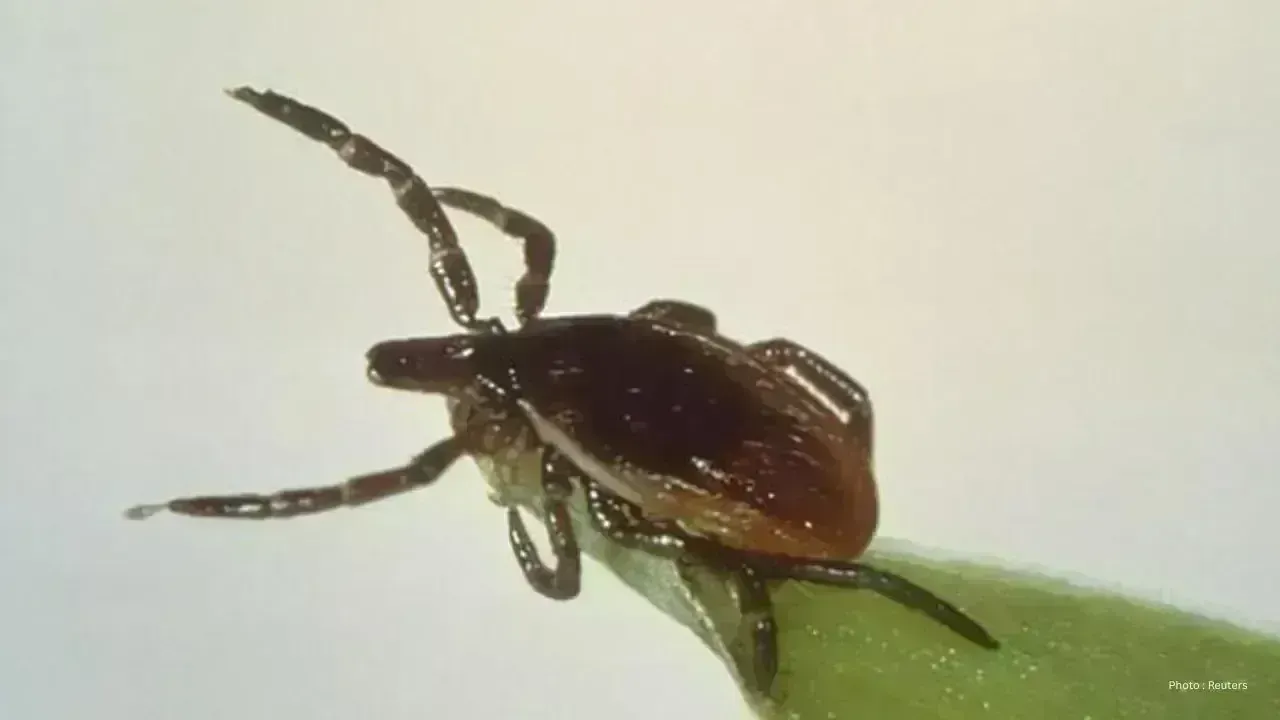
Health specialists have identified blacklegged ticks, or deer ticks, as carriers of the bacteria responsible for Lyme disease. This illness can manifest in various symptoms, including fever, fatigue, headaches, muscle soreness, and skin rashes. If not treated promptly, Lyme disease may have severe repercussions, potentially affecting the joints, heart, and nervous system. The uptick in tick sightings and Lyme disease instances has been observed in several areas, correlated with rising temperatures and shifting environmental conditions.
To protect against ticks, health units advise wearing long sleeves, long pants, and closed shoes when traversing forests, grassy fields, or dense shrubbery where ticks tend to thrive. The application of insect repellents containing DEET or icaridin on exposed skin and clothing is highly recommended to minimize the risk of bites. Wearing light-colored attire can also help individuals identify ticks before they latch onto the skin.
After enjoying outdoor activities, officials stress the importance of a thorough body check to identify potential ticks. Common areas for ticks include the legs, underarms, scalp, back of the knees, and waist. Doctors point out that prompt removal of a tick is crucial, as the longer a tick stays attached, the greater the risk of disease transmission. They advise using fine-tipped tweezers to gently remove ticks without crushing them.
Pet owners must also be diligent in inspecting their dogs and cats, as these animals can transport ticks indoors. Veterinarians recommend employing approved tick prevention methods for pets during peak tick seasons. Public health officials also stress that families should opt for shorter grass and remove leaf litter to decrease tick habitats around their homes.
Anyone exhibiting symptoms such as fever, rash, joint pain, or unexplained fatigue following a tick bite should promptly seek medical care. Typically, early antibiotic intervention is effective in treating Lyme disease, thereby reducing the risk of severe complications. Health officials remain committed to spreading awareness and promoting preventive measures as tick populations continue to spread annually.


 English