Post by : Saif
Al-Najjar
Following the sudden withdrawal of Kurdish-led forces, Syrian government troops have significantly expanded their influence in northern and eastern Syria. This shift alters the balance of power as President Ahmed al-Sharaa strengthens his grip in the affected areas.
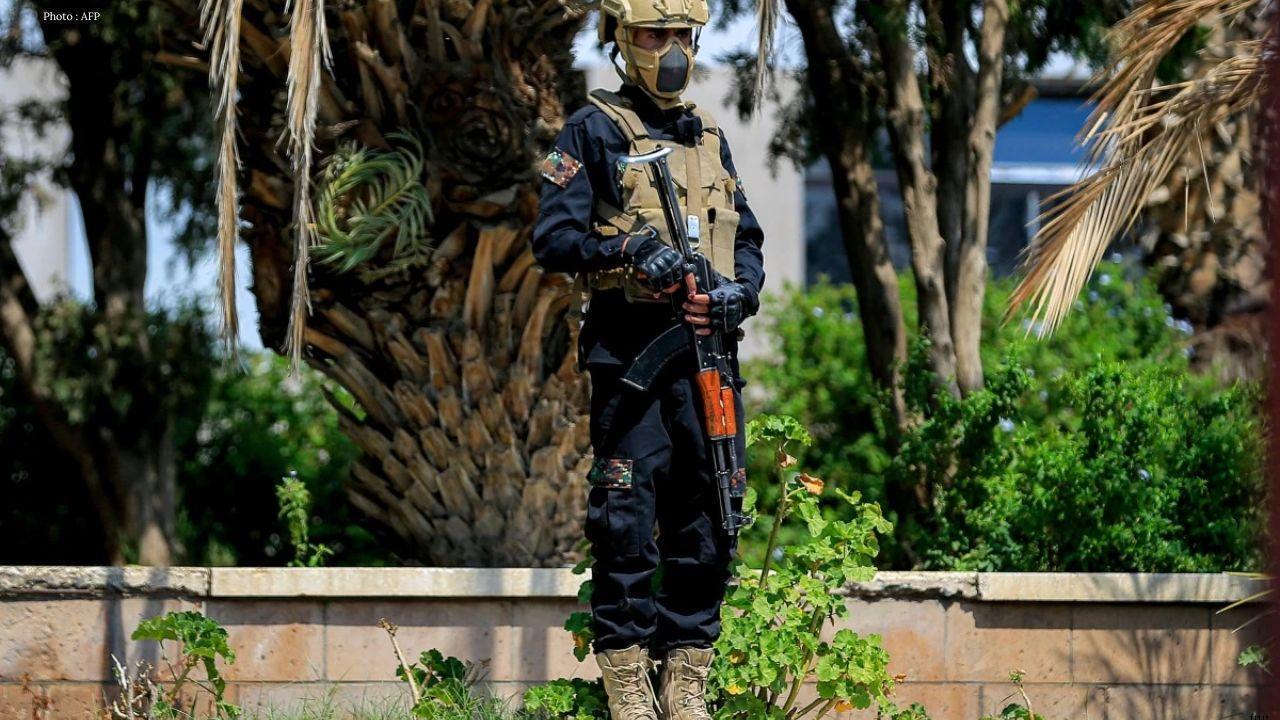
The Syrian Democratic Forces (SDF), once the key U.S. ally in Syria, have departed from Raqqa and Deir al-Zor provinces as part of an agreement mandating Kurdish fighters to join the Syrian armed forces individually. This deal also involves ceding control of prisons, border points, and crucial oil and gas facilities that were previously under SDF oversight.
This withdrawal has ignited tensions, with each side accusing the other of ceasefire violations. Authorities have reported that several Islamic State prisoners escaped from a facility in Shaddadi, a city formerly managed by the SDF. The Syrian government has alleged that the SDF intentionally released these inmates, while the SDF contends it lost control of the prison after a government assault. The Syrian army refuted claims of an attack and pledged to recapture the escapees.
The current situation follows extensive negotiations between the SDF and Damascus, facilitated by U.S. representatives. While Turkish President Tayyip Erdogan has praised the agreement, Kurdish leaders have voiced concerns regarding specific terms, especially the integration process. Reports indicate that a conversation between SDF commander Mazloum Abdi and President Sharaa was tense, as Abdi sought more time to consult with his team.
Reuters has reported the presence of Syrian military troops in Raqqa—captured from Islamic State in 2017—along with deployment around vital oil and gas facilities in Deir al-Zor. These locations hold significant strategic and economic value, and their transfer marks a notable alteration in Syria's territorial landscape since Islamist factions overthrew President Bashar al-Assad in 2024.
Despite this withdrawal, the SDF continues to maintain control over a majority of Hasakah province, including the Kurdish-majority city of Qamishli. According to the SDF's media office, their forces have defended Shaddadi prison against numerous assaults from government factions, incurring significant casualties. Furthermore, the U.S.-led coalition against Islamic State reportedly did not intervene despite urgent requests for help.
This evolving situation is emblematic of Syria's precarious security dynamics and the ongoing struggles of integrating various armed factions under a unified command. As government forces solidify their authority, international observers express caution, fearing renewed tensions could arise if the SDF and Damascus can't effectively enforce the integration and ceasefire agreements. Attention on vital infrastructures, prisons, and oil reserves illustrates the high-stakes political and strategic dimensions of the ongoing conflict.


 English