Post by : Anis
Al-Rashid
A Redefined Culinary Experience
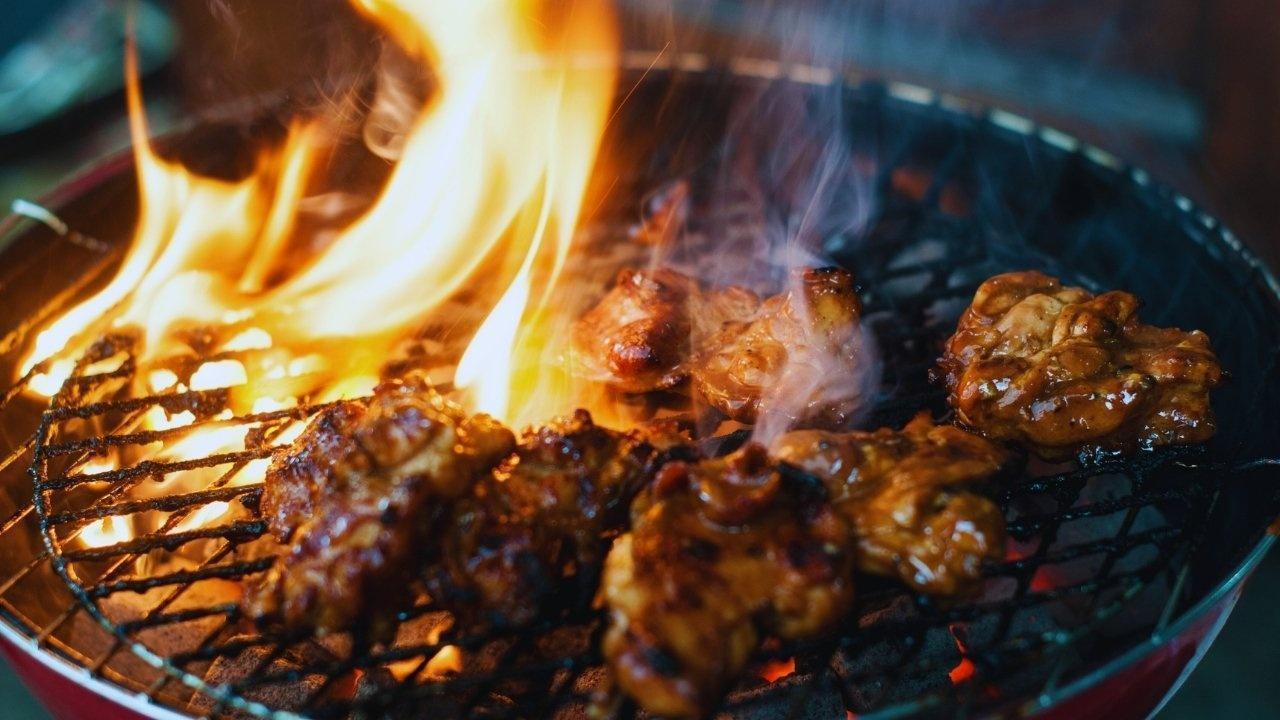
The barbecue tradition in India transcends mere cooking; it embodies cultural significance. Smoky seekh kebabs line Delhi streets, while tandoori bread warms against earthen walls. Fish from coastal regions is cooked over coconut shells, and Lucknowi galouti melts with rich smoke. In rural areas, tribal pit-roasting over wood has long been a cherished practice.
Fire reflects memories, smoke carries history, and spice defines identities.
As dining preferences evolve, the narrative of Indian BBQ is being refreshed—returning to its roots while embracing modernity.
This new approach encompasses:
-
time-honored cooking methods
-
eco-friendly fuel sources
-
ethically sourced ingredients
-
minimal seasoning
-
slow cooking that emphasizes flavor
-
artisanal presentations that eschew excess
This is barbecue as artistry—not confusion.
Transitioning from Grease to Clean Labels
Traditionally, street food BBQ was known for its heavy charring and rich marinades, often accompanied by excess oil and artificial coloring.
Modern diners view health not as a lack of indulgence, but as transparency and empowerment.
The clean-label BBQ trend calls for:
-
absence of artificial colors
-
no chemical enhancers
-
clear sourcing of spices
-
natural smoke instead of shortcuts
-
whole ingredients rather than artificial extracts
-
clean oils and balanced marinades
Authenticity now hinges on ingredients rather than appearance. Spice blends are simpler, fresher, and more connected to their origins.
The outcome? A plate that embodies raw honesty, rather than raw preparation.
The Shift to Ethical Fuel Sources
While fire brings flavor, it must also be sustainable.
Modern Indian grillmasters and establishments are adopting:
-
briquettes made from coconut husks
-
wood pellets from agricultural waste
-
compressed sawdust
-
bamboo charcoal
-
eco-friendly logs
-
liaising LPG with wood infusion
The aim isn’t to abandon flames—it's to refine the burning experience.
Reasons for Clean Fuel Importance
Today's diners are asking not just: What am I eating?
But also: What prepared it?
Fuel for barbecue is now a fundamental part of the dining story.
Heritage BBQ with a Modern Touch
India’s barbecue tradition predates the word “barbecue” itself. From tribal roasting techniques to Punjab’s tandoor bread, our culinary heritage is extensive.
In 2025, chefs are rediscovering these roots through a contemporary lens.
Revival Highlights
-
Bamboo-smoked pork from the Northeast served with heirloom rice
-
Kashmiri tabak maaz gently finished over embers
-
Fish grilling in Kerala with coastal spices and plantain wraps
-
Goan chorizo accentuated with smoked onions
-
Mangalorean prawns brushed with ghee and finished with fire torches
-
Rustic chicken from Bundelkhand featured in boutique dining
Technique is rising above trends—celebrating the age-old wisdom of Indian grilling.
Vegetables Take Center Stage in BBQ
BBQ once meant meat, but now, plant-based offerings are gaining attention.
Chefs are experimenting with:
-
jackfruit ribs glazed with tamarind
-
smoky beet seekh rolls
-
paneer marinated in traditional spices
-
mushrooms roasted with garlic and curd
-
ghee-brushed sweet potatoes with chili salt
-
charred pumpkin with jaggery and mustard oil
-
baingan infused with pomegranate drizzle
-
broccoli and cauliflower steaks coated in Kashmiri chilis
Fire is not merely for meat—it's about taste.
Vegetarian barbecue has evolved from an ‘option’ to the star of the show.
The Butcher-to-BBQ Movement
Today’s mindful meat lovers are scientific about their choices.
BBQ enthusiasts look for:
Meat is no longer overshadowed by spices—it is highlighted by them.
Shift in Spice Philosophy: Less is More
Traditional BBQ often relied on strong spice blends, but the new trend favors a gentler approach.
-
whole spices toasted fresh
-
earthy rubs with minimal ingredients
-
smoky salts
-
roasted spices as central players
-
ghee and mustard oil as key flavor agents
-
jaggery replacing refined sugar
When spices are subtle, smoke becomes prominent.
When marinades are clean, the protein shines.
Barbecue is moving from how much we use to how pure the flavors emerge.
The Resurgence of Slow Cooking
Fast BBQ belongs to street vendors; slow BBQ belongs to skilled kitchens.
We’re witnessing:
-
overnight spice marination
-
4-hour slow coal cooking
-
the technique of alternating smoke-resting
-
controlled dry-aging processes
-
patience being an ingredient
Consumers are increasingly patient. The trend of slow-cooked biryanis has set new expectations. Artisanal BBQ relies on time like seasoning.
Heat isn't hurried.
Flavor isn't forced.
Smoke isn't aggressive.
It whispers.
Experiencing BBQ: The Balance of Rustic and Refined
The contemporary BBQ presentation merges raw texture with elegant serving:
-
wooden boards
-
traditional clay dishes
-
vintage metal serving ware
-
black stone platters
-
banana leaves
-
pickled sides for balance
-
cold yogurt contrasting the heat
-
artisan breads with char
Barbecue is no longer just food—it’s an experience.
Smoke fills the air.
Char lingers.
The sound of crackling wood.
Flavors explode on the palate.
It's a performance without fanfare.
Luxury without excess.
Warmth without frenzy.
The Urban Barbecue Diner: Seeking Quality and Culture
A new kind of diner is shaping the future of BBQ:
They desire:
They inquire about sourcing.
They appreciate craftsmanship.
They value simplicity.
Food awareness has increased, and so have their demands.
Navigating Challenges in Transition
The sustainable BBQ movement is promising, yet it faces hurdles:
-
maintaining consistent clean fuel sources
-
the rising cost of ingredients and labor
-
extended preparation times
-
training chefs in blending traditional and modern techniques
-
securing suppliers for natural spices
-
avoiding inflated gourmet pricing
-
harmonizing heritage with innovation
Nevertheless, each obstacle fortifies the craft, rather than diminishing it. The movement thrives due to its purpose, surpassing mere popularity.
The Future: BBQ as Craft, Culture, and Wellness
Indian BBQ is transitioning from “heat and fire” to “depth and smoke”—moving towards soulful cooking.
Anticipate:
-
specialized smoke bars & fire-centric menus
-
zero-waste kitchen practices
-
vegetable-based BBQ tasting experiences
-
house-made spice blends from local farms
-
natural wood chips from orchards
-
BBQ broths and low-smoked lentils
-
spice-infused smoked oils
-
BBQ breakfasts featuring smoked ghee parathas
-
kombucha and fermented chutneys served with grills
Fire and fermentation are reuniting, as they once did in ancient kitchens.
This is not a western adaptation of BBQ in India.
It’s the reclamation of Indian BBQ’s dignity and relevance on a global stage.
Smoke is not a gimmick.
It's a language, and India understands it fluently.
Disclaimer
This article discusses culinary trends for informational purposes. Food businesses should consider local regulations, sustainable sourcing, and operational costs before adopting eco-friendly BBQ practices. Consumers with specific dietary needs should consult health professionals regarding high-heat or smoked diets.


 English