Post by : Sami
Al-Rahmani
The Connection Between Extended Sitting and Back Pain
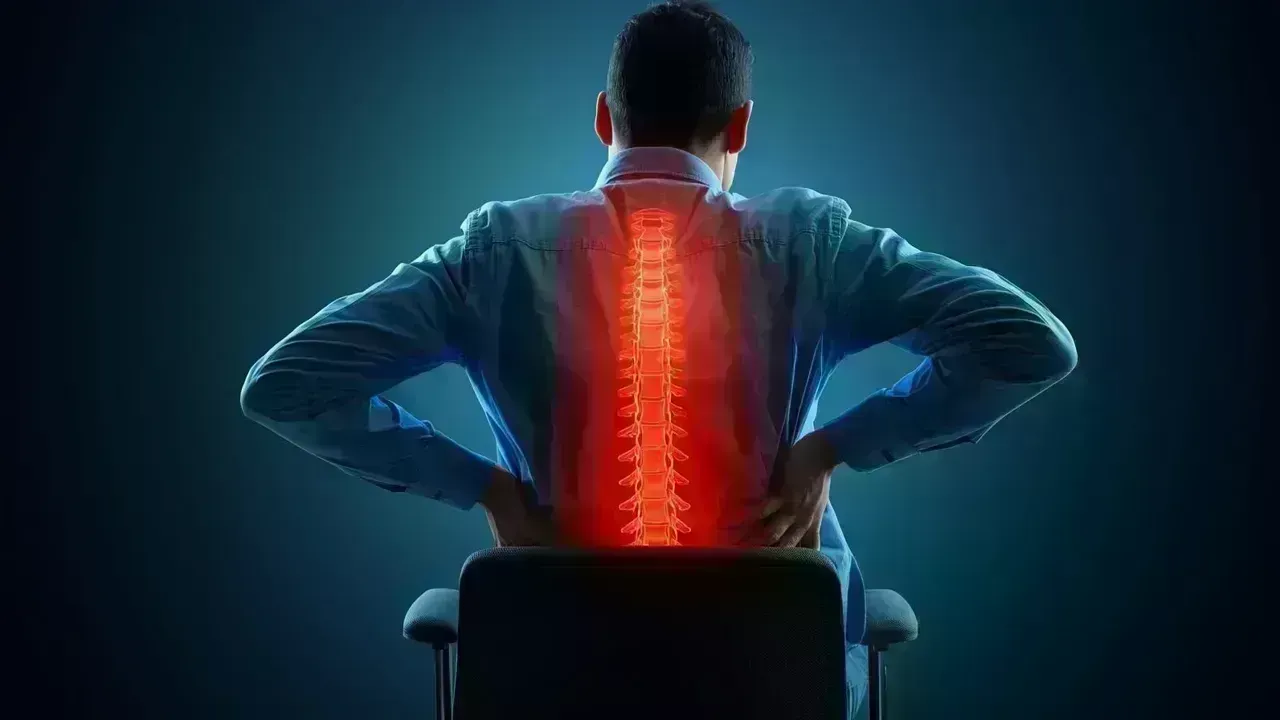
Extended periods of sitting have become the norm for many—office workers, students, freelancers, and more. Initially comfortable, this habit places constant pressure on your spine, muscles, and joints. Over time, it can lead to stiffness, muscle imbalances, decreased blood circulation, and both upper and lower back strain, making back pain a prevalent health issue linked to modern lifestyles.
Introduction
Countless individuals suffer from back pain with no apparent cause, and extended sitting is frequently overlooked. Be it working from a desk, lounging with a laptop, or scrolling through a smartphone, improper posture can gradually harm spinal health. This article delves into why prolonged sitting triggers back pain and offers practical, sustainable ways to remedy the situation without resorting to extreme exercise regimens.
The Effects of Sitting on Spinal Health
The human body is designed for movement, not to stay in a static position for hours.
Pressure Build-Up on the Lower Back
Remaining seated for extended periods puts excessive weight on the lower back compared to standing.
• The spine experiences unnatural compression
• Intervertebral discs take on increased pressure
• Natural curves of the spine may flatten
This situation results in lower back pain and stiffness.
Weakening of Core and Back Muscles
A lack of movement causes muscle deterioration.
• Core strength diminishes
• Back muscles weaken
• Postural support declines over time
Weak muscles are unable to adequately support the spine.
Constricted Hip Flexors and Hamstrings
Sitting shortens specific muscle groups.
• Hip flexors tighten from constant bending
• Hamstrings lose their elasticity
• Muscle imbalances develop
This imbalance misaligns the spine, leading to pain.
Reduced Blood Circulation
Staying seated hampers blood flow.
• Muscles receive less oxygen
• Toxins build up in tissues
• Recovery slows
Poor circulation exacerbates muscle soreness.
Common Sitting Habits That Contribute to Back Pain
Poor Slouching Posture
Slouching adds extra strain on the spine.
• Shoulders round, affecting the upper back
• Forward head posture strains the neck
• Lower back loses support
This leads to chronic discomfort.
Sitting Unsupported
Seating without back support leads to increased strain.
• Lower back muscles work harder continuously
• The spine loses its natural curve
• Growing fatigue
Lack of support accelerates discomfort.
Excessive Screen Time Without Breaks
Long screen use has detrimental effects on posture.
• Leaning towards screens
• Reduced blinking, leading to stiffness
• Maintaining a static position
This situation impacts the entire upper back and neck.
Sitting on Non-supportive Surfaces
Improper seating can lead to imbalances.
• Sofas lacking support
• Beds and floor seating
• Uneven chairs
These surfaces do not aid spinal alignment.
Identifying Back Pain Due to Sitting
Spotting early signs is key to preventing worsening conditions.
• Pain escalates after prolonged sitting
• Relief upon standing or walking
• Stiffness in the lower back or hips
• Tightness in shoulders and neck
These symptoms indicate issues related to posture.
How to Alleviate Back Pain Linked to Extended Sitting
Adjust Your Sitting Posture
Maintaining good posture is essential for back health.
• Sit with a straight back and relaxed shoulders
• Keep your feet flat on the ground
• Maintain natural curves in your lower back
• Position your screen at eye level
Correct posture minimizes spinal pressure.
Optimize Chair and Desk Setup
Ergonomic support can make a significant difference.
• Use a chair with lumbar support
• Set chair height to match knee and hip levels
• Keep keyboard and mouse at elbow level
An well-arranged workspace protects back health.
Schedule Regular Movement Breaks
Movement is key to preventing stiffness.
• Make it a habit to stand or walk every 30-45 minutes
• Incorporate stretches during breaks
• Avoid prolonged sitting periods
Frequent movement revitalizes muscles and joints.
Implement Simple Daily Stretching
Gentle stretches help relieve tension.
• Roll your neck and shoulders
• Perform back extension stretches
• Stretch hip flexors and hamstrings
Stretching enhances flexibility and reduces discomfort.
Build Core Muscle Strength Naturally
Strong core muscles provide necessary spinal support.
• Maintain awareness of standing posture
• Engage your core while seated
• Include light bodyweight exercises
Core strength lessens back strain.
Enhance Home Sitting Habits
Work-from-home routines are equally vital.
• Avoid working from soft surfaces
• Utilize a proper table and supportive chair
• Be mindful of posture during phone use
Consistent habits reduce the likelihood of pain.
Stay Active Outside Work Hours
Overall activity supports spinal well-being.
• Engage in regular walking
• Carry out light stretching
• Incorporate movement into daily tasks
Active lifestyles help counteract the effects of sitting.
Manage Stress Levels
Stress contributes to muscle tightness.
• Practice deep-breathing techniques
• Reduce mental strain
• Foster a healthy work-life balance
Relaxed muscles heal more quickly.
Prioritize Sleep Posture
Sleep quality influences back recovery.
• Opt for a supportive mattress
• Avoid sleeping on your stomach
• Maintain a neutral spine during sleep
Proper sleep posture aids in recovery.
Stay Hydrated
Hydration is crucial for spinal discs.
• Drink ample water
• Limit caffeine intake
• Keep discs flexible
Good hydration diminishes stiffness.
When to Seek Medical Help for Back Pain
Consult a professional if pain persists.
• Ongoing pain lasting weeks
• Experiencing numbness or tingling
• Severe or worsening discomfort
• Pain interfering with daily activities
Early intervention can avoid complications.
Long-Term Prevention of Back Pain
Preventative measures are often more manageable than treatments.
• Maintain awareness of posture
• Stay physically active
• Limit long periods of sitting
• Strengthen core muscles
Everyday habits safeguard spinal health.
Why Altering Sitting Habits Is Better Than Medication
While medication offers temporary relief, adjusting posture and incorporating movement tackle the root causes. Long-term back health hinges on lifestyle transformations rather than fleeting pain alleviation strategies.
Conclusion
Recognizing the connection between prolonged sitting and back pain is the first step toward resolution. Long hours of sitting aggravate muscle weakness, compress the spine, and distort posture, ultimately leading to discomfort and rigidity. By correcting posture, keeping active, integrating regular breaks, and nurturing supportive daily habits, you can naturally decrease and prevent back pain. Minor yet consistent adjustments in sitting practices will enhance spinal health and enrich your overall life quality.
Disclaimer
This article serves solely for informational purposes and does not replace medical advice. Individuals with severe or persistent back pain should consult a trained healthcare provider for accurate diagnosis and treatment.


 English