Post by : Anis
Al-Rashid
A Growing Concern in Modern Workplaces
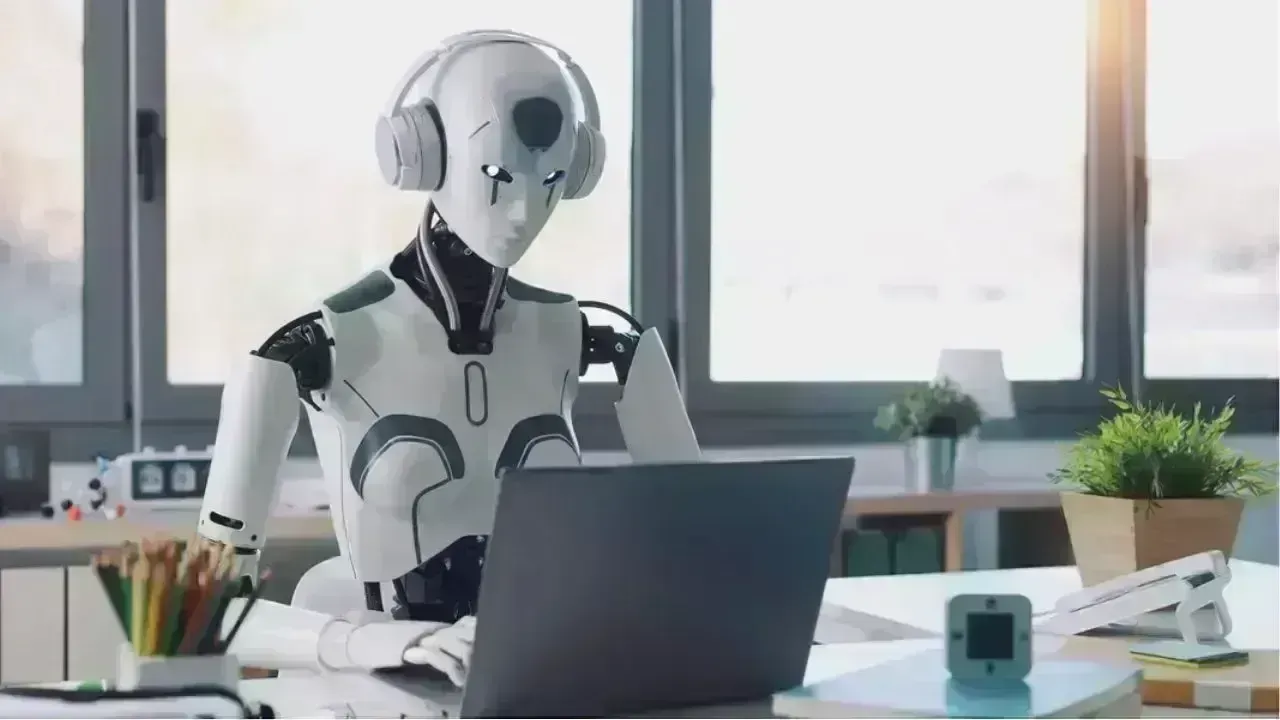
In today’s diverse job sectors, an underlying apprehension prevails. While employees fulfill daily responsibilities, a nagging question looms: How long will my position last in the wake of automation? AI has transitioned from a futuristic concept into a practical reality, handling tasks such as customer support, content generation, and language translation. What seemed groundbreaking now appears unsettling.
Unlike previous technological advancements that primarily impacted manufacturing jobs, this shift targets office roles directly. As accountants, writers, and analysts ponder their future, they express concerns about being overshadowed by algorithms. The transformation is palpable. Hiring trends shift, job roles evolve, and the landscape of work is in flux.
However, not all professions are equally threatened. Certain roles continue to necessitate human involvement, not due to technological limitations, but because of the intricate nature of human connection.
Jobs That Withstand Automation Challenges
AI excels in environments where tasks are structured and outcomes predictable. In contrast, roles requiring emotional insight and the ability to navigate unpredictable situations present challenges for machines.
Typically, easily automated tasks entail repetition, consistent rules, organized data, and minimal emotional engagement. In contrast, careers that require innovation, critical judgment, empathy, and moral reasoning are less susceptible to digital substitution.
Recognizing this distinction equips workers to gauge which positions may be vulnerable and which might endure beyond the reach of automation.
Healthcare: A Field Rooted in Humanity
While technology is increasingly integrated into medicine, it does not dominate the profession. AI aids in analysis and diagnostics, yet cannot supplant the vital human connection between patient and healthcare provider.
Doctors do more than review data; they actively listen, interpret emotional nuances, and tailor care to individual needs. Nurses offer comfort and recognize needs that machines simply cannot fulfill.
Healthcare appeals to ethics, compassion, and accountability. When it comes to life-altering decisions, trust in human caregivers prevails.
Education: Beyond Just Information
Teaching encompasses so much more than delivering material. It thrives on emotional engagement, mentorship, and understanding students’ unique learning processes. AI can provide explanations, but it cannot inspire or empathize.
Educators detect struggles before they manifest in tests, motivating students and nurturing personal growth. Education is about shaping lives, requiring the irreplaceable input of human instructors.
Creative Careers That Rely on Human Insight
Although AI can create, it cannot genuinely imagine. Machines generate outputs based on algorithms, but human artistry is birthed from feelings, experiences, and individual perspectives.
Creative professionals channel diverse inspirations to produce authentic expressions, whether through art, writing, film, or design. While machines can mimic, they cannot originate.
True creativity transcends mere assembly of ideas; it articulates the nuances of human emotion.
Leadership: The Human Element
Leadership roles are irreplaceable. No software can fulfill the responsibilities that come with motivating teams, resolving conflicts, and making impactful decisions.
Successful leaders must navigate human dynamics, foster trust, and uphold moral principles. Technology can guide, but cannot fulfill the core role of leadership.
Accountability remains inherently human; when challenges arise, people seek the support of other people.
Mental Health: The Importance of Human Interaction
Mental health care is built on deep interpersonal connections. Therapists interpret not just spoken words, but also silence, body language, and emotional rhythms.
Empathy is beyond the scope of any algorithm, and care cannot be delivered by machines.
Individuals seek not just solutions, but understanding and validation in their emotional journeys.
What Underpins Job Resilience in an Automated World?
The sectors highlighted share a fundamental trait: emotional complexity.
This includes:
-
Ethics
-
Trust
-
Creativity
-
Unpredictability
-
Responsibility
-
Human connection
AI falters in realms governed by psychology and lived experiences rather than predictable outcomes.
Human-centric roles are more likely to endure despite automation challenges.
Are Any Jobs Truly Resistant to AI?
No profession is entirely shielded from the winds of change.
Every role continues to evolve.
Healthcare professionals employ AI tools, educators embrace technology, creatives utilize digital resources, and leaders analyze data.
Survival hinges not on rejecting technology, but on collaborating with it.
Workers who harness AI skills stay relevant; those who resist risk obsolescence.
The future isn’t about worker elimination; it’s about transformation.
How to Fortify Careers Against Automation
In this evolving landscape, adaptability is paramount.
Workers should focus on:
-
Embracing new technologies
-
Deepening tech understanding
-
Enhancing communication skills
-
Building emotional intelligence
-
Cultivating leadership potential
-
Nurturing creativity
No AI can replace someone committed to learning and growth.
Security in the modern workforce stems from adaptability, not stasis.
A Thought for the Future: Adapting to Change
The critical question shifts from "Will automation replace me?" to "Will I evolve as swiftly as technology?"
Progress is unrelenting; so too must be our careers.
Curiosity keeps us relevant, where fear immobilizes.
Final Reflections: Unmatched Human Value
While technology continues to advance, human value remains irreplaceable.
Fields reliant on emotional depth, creativity, and leadership will persist because machines cannot grasp the essence of humanity.
AI may enhance our work processes but will never supplant the fundamental qualities that define human efforts.
The future will favor not the most intelligent machines but those enlightened humans who can synergize with them.
DISCLAIMER
This article serves solely for informational purposes and should not be interpreted as career guidance or professional advice. Job market trends may vary per region and field. Readers are advised to seek professional insights tailored to their unique circumstances.


 English