Post by : Anis
Al-Rashid
Significant Decline in Japanese Equity Markets
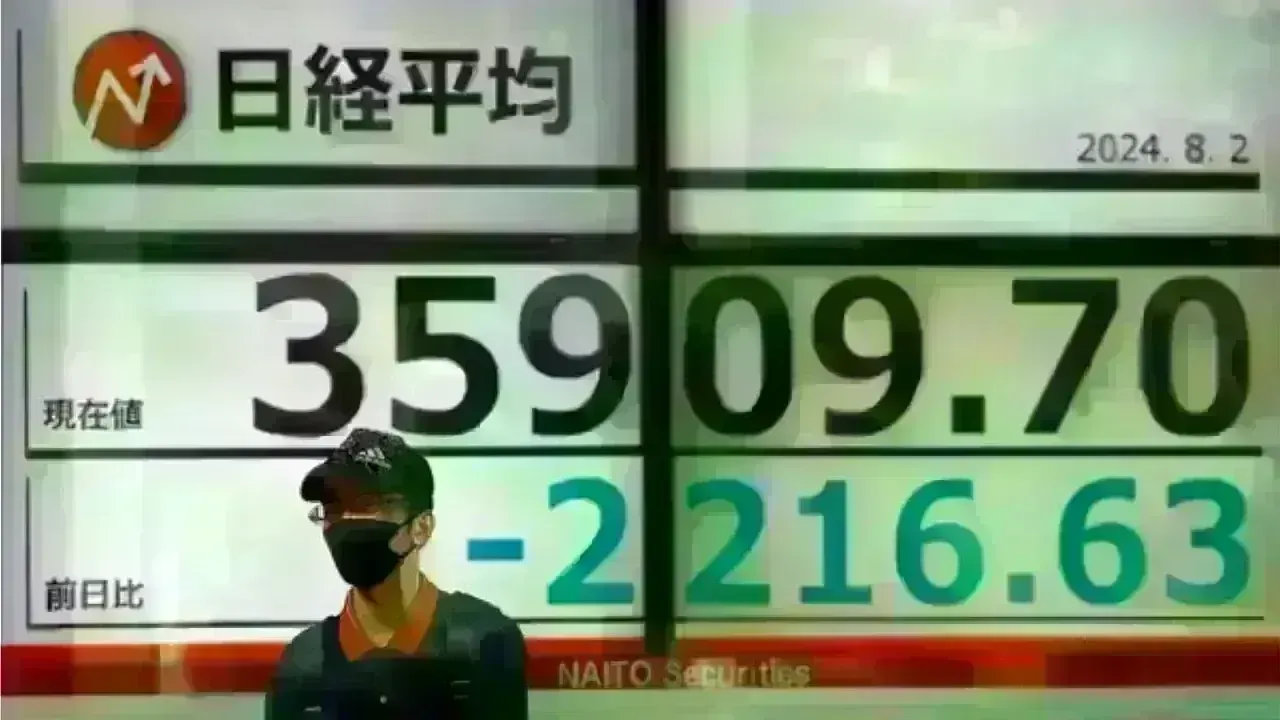
Japan's stock indices experienced considerable declines, affected by various domestic and international factors undermining investor trust. The Nikkei index fell approximately 1.11 percent, while the overall Topix index showed a similar downward trend, continuing a pattern of declining trends over recent sessions where markets were exposed to detrimental influences.
This sell-off was triggered by recent political events raising market volatility and escalating worries about fiscal policies alongside increasing borrowing costs. Investors reacted promptly, weighing the potential repercussions for corporate earnings and the overall economic landscape in one of the leading financial markets worldwide.
Key Factors Behind the Market Slide
Snap Election Announcement and Economic Instability
The abrupt announcement of a general election set for February 8, 2026 by Prime Minister Sanae Takaichi acted as the immediate trigger for the downturn, with market sentiments swinging negatively as fears of political instability mounted. Investors were apprehensive that the election could instigate forceful fiscal measures and escalating public expenditure, further burdening Japan's significant national debt.
Japan’s debt-to-GDP ratio remains one of the highest globally, historically surpassing 250 percent, making any hints of increased spending without appropriate funding strategies alarming for financial markets. The prospect of a snap election together with potential change in policy created an atmosphere of uncertainty regarding Japan's future economic management.
Surge in Bond Yields Fueling Market Anxiety
Additionally, a marked spike in Japanese government bond yields, particularly at longer maturities, intensified the pressure on the equity markets. Yields on 40-year bonds climbed to about 4 percent for the first time since 2007, indicative of severe investor concern regarding fiscal trajectories and ongoing bond sell-offs.
Increasing long-term yields can adversely affect stock markets through various channels: heightened yields hike borrowing costs, decrease future earnings' present value, and often drive capital outflows from equities to fixed-income investments providing comparatively better returns.
Market Overview: Beyond Raw Indices
Focus on Nikkei and Topix Indices
The Nikkei index notably suffered, revealing weaknesses in pivotal sectors sensitive to finance conditions and global demand dynamics. The broader Topix index, which includes a more extensive array of stocks encompassing medium- and smaller-sized enterprises, also finished lower, suggesting a widespread decline rather than confinement to specific sectors.
This extensive sell-off signifies that investors were not merely repositioning within subsectors but responding to systemic threats affecting Japan's macroeconomic outlook.
Sector-Based Pressures
While the latest statistics did not provide granular insights into sector performance, historically sectors like technology, consumer discretionary, and financial services exhibit heightened sensitivity towards rising bond yields along with shifts in anticipated economic policy. Elevated borrowing costs and political uncertainty generally compress valuations for companies reliant on growth narratives.
Global Context: Grappling with External Pressures
Emerging Risk-Averse Stance
The deterioration in Japan's equity sector did not unfold in a vacuum. Global markets have been under pressure owing to increasing geopolitical unpredictability, including renewed tariff threats from the United States along with broader anxieties about trade tensions with European allies. Such factors introduced a risk-averse climate, encouraging investments in safer assets such as gold and government bonds, which in turn dampened equity demand across various regions.
These cross-border impacts demonstrate the interconnectedness of markets, where adverse developments in one major economy can swiftly alter sentiment and influences in others.
Currency Movements and Carry Trades
The traditionally low interest rate climate in Japan has made the yen carry trade — where investors borrow in yen to invest in higher-yielding international assets — a prevalent strategy among global investors. However, rising Japanese yields and a depreciating yen may lead to unwinding of such trades, sparking further volatility in both equity and bond markets.
Any significant fluctuations in these carry trades can have profound effects on global capital flow patterns and asset pricing, particularly given the vast volume of assets associated with such strategies.
The Political Scene and Future Policy Directions
Prime Minister Takaichi’s Policy Aspirations
The decision from Prime Minister Sanae Takaichi to initiate a snap election appears partially aimed at garnering support for her economic strategy, which highlights key fiscal proposals like the two-year reduction of consumption tax on essential food items. However, markets appear apprehensive that such tax decreases, while potentially stimulating, could amplify the fiscal deficit and enlargen government debt without sufficient offsetting measures.
Her policy direction also focuses on structural reforms and boosting national economic resilience; nevertheless, investor caution persists over potential market disruptions during this electoral period.
Election Timing and Its Effects
Snap elections often introduce a short-term haze of uncertainty into financial markets, as investors confront possible alterations in policy direction and macroeconomic strategy. The current proximity of the election coupled with timing of fiscal announcements has exacerbated concerns surrounding future government expenditure and sustainability of debt, heightening market anxieties.
Bond Market Dynamics and Wider Implications
All-Time High Long-Term Yields
Japanese long-term government bonds are at the epicenter of market disruptions, with 30- and 40-year yields soaring to record multi-year or all-time highs. Investors are reacting to political changes and fiscal forecasts by demanding enhanced yields for risk compensation, which leads to significant price declines in government debt securities.
Elevating yields can ripple through the economy, having decisive implications on corporate borrowing costs, government refinancing expenses, and investor risk calculations. The behavior of the bond market frequently acts as a forward-looking indicator for wider financial circumstances, and, in this context, has foreshadowed volatility within equity markets.
Carry Trade Dynamics in Global Finance
The unrest within Japan's bond market casts a shadow beyond its borders due to the currency 'carry trade' dynamics. Should Japanese bond yields climb to levels comparable to or exceeding those observed internationally, the appeal of borrowing in yen diminishes. Consequently, this can limit capital inflows into foreign equities and bonds benefiting from this strategy, tightening financial conditions globally.
Such a shift may exert additional pressure on international equities if risk assets lose a significant source of foreign capital influx.
Reflections on Historical Volatility
Although the present downturn is remarkable, it is not unprecedented in Japan’s market history. Previous significant stress episodes — characterized by widespread declines during global crises or systemic financial pressures — demonstrate that Japanese markets can turn volatile when faced with both internal and external stresses. The COVID-19 recession, for example, led to drastic falls in Japanese equity indices, paralleling global market turmoil.
However, the ongoing context presents distinct factors, such as a blend of political instability, soaring yields, and a worldwide risk-off sentiment, which are unique compared to more cyclical downturns observed historically.
Investor Outlook
Anticipated Volatility
In the short span ahead, volatility appears poised to persist across Japanese equity and bond markets. With unfolding political uncertainties and looming global growth apprehensions, investors may choose to adopt defensive postures, decrease exposure to risk-ridden assets, or seek shelter in safer havens.
Considerations for Long-Term Investors
For long-term investors, this episode amplifies the necessity of comprehending macroeconomic fundamentals alongside fiscal sustainability. While downturns can yield buying prospects, they also underscore potential risks tied to shifts in governmental policies, demographic trends, and dynamics in global capital flows.
Japan’s ongoing demographic predicaments, notably an aging populace and sluggish growth, continue to reshape long-term economic forecasts and market valuations.
Conclusion: Navigating a Complex Landscape
Japanese financial markets find themselves at a complicated crossroads marked by political transitions, rising bond yields, and global risk-off sentiments. The pronounced downturn in equity indices reveals profound concerns regarding fiscal policy, investor mood, and international financial linkages. As the country steers into an election phase with uncertain economic policy implications, financial markets are poised to remain highly responsive to both domestic events and global macroeconomic trends.
Disclaimer:
This article is based on current market reports and publicly available information at the time of writing. Financial markets exhibit inherent volatility, and readers are urged to conduct their own research or seek professional advice before making investment decisions.


 English