Post by : Shweta
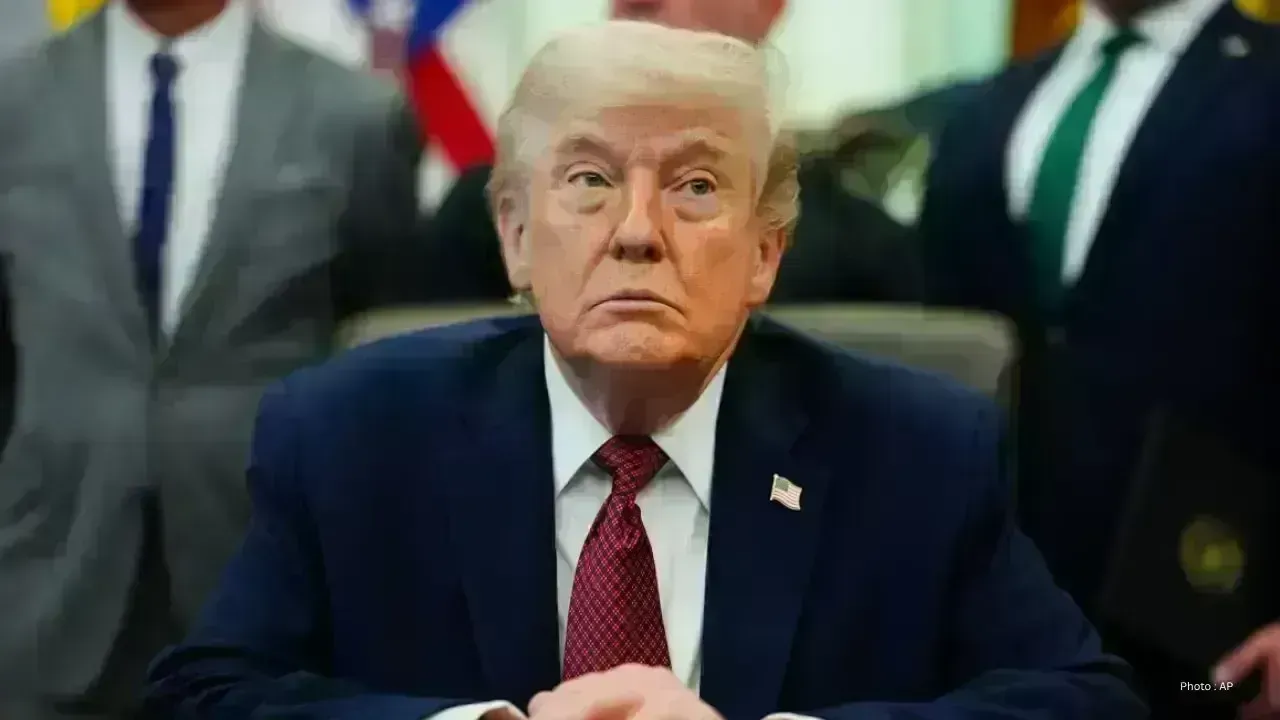
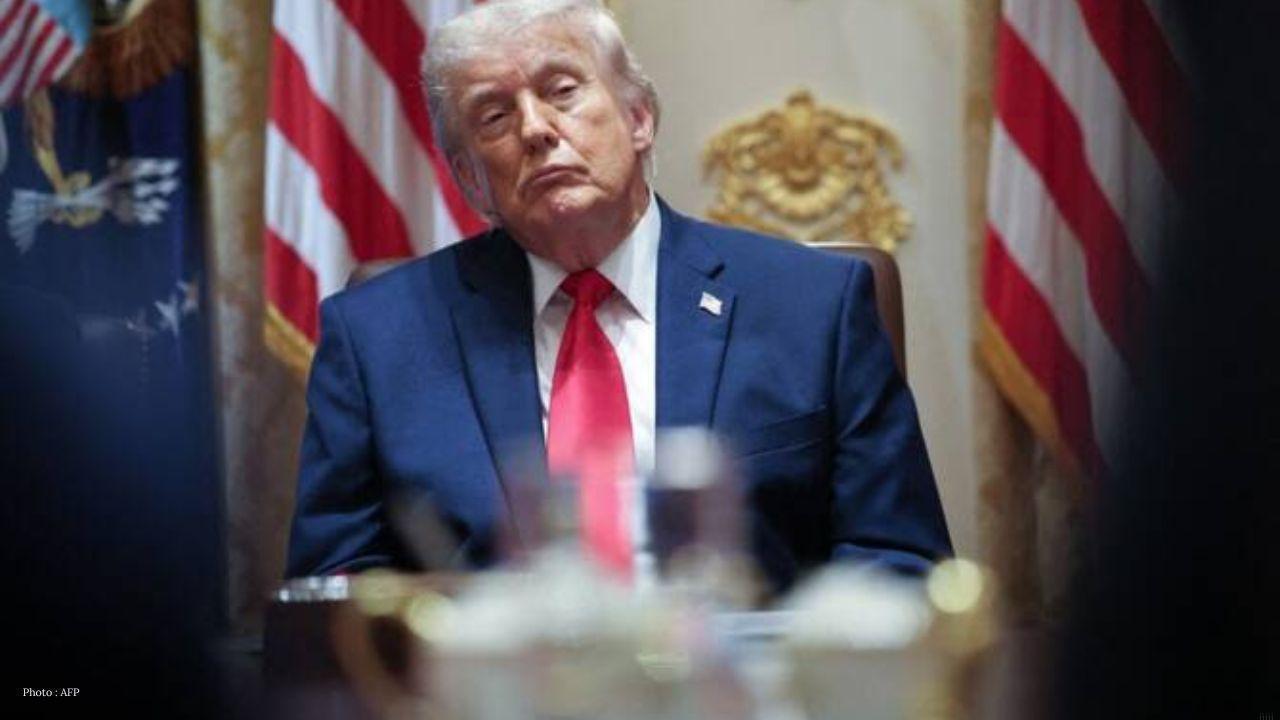
The path to resolving the enduring conflict between the United States and Iran encountered fresh complications following remarks made by Donald J. Trump that seemingly interrupted delicate talks. Initially, officials hinted at an agreement being within reach to conclude the seven-week hostilities, but optimism swiftly waned in light of the President’s declarations on social media and during interviews.
Trump publicly asserted that Iran had accepted critical stipulations, which included constraints on its nuclear ambitions and the transfer of enriched uranium. However, insiders familiar with the negotiations revealed that these matters were far from final. Iranian representatives also refuted many of Trump’s assertions, generating confusion and eroding trust during this pivotal phase of discussions.
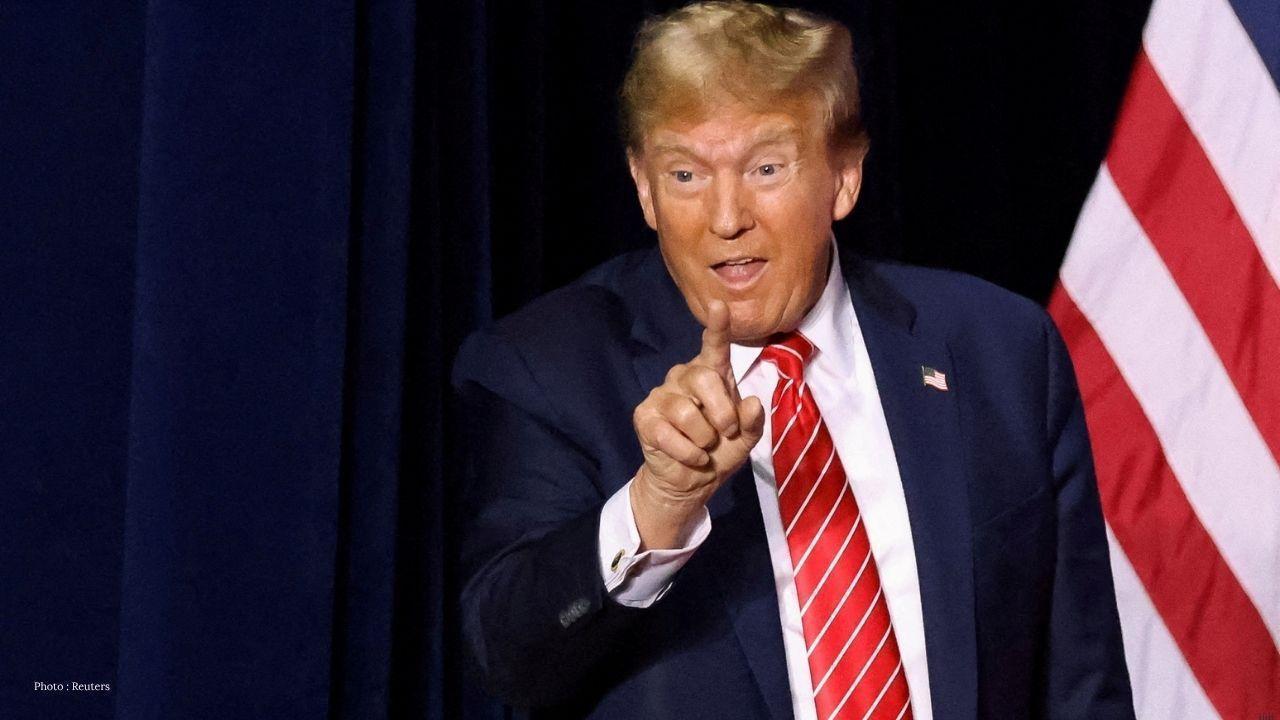
The situation has further deteriorated as Trump continued to share live updates regarding the negotiations. Some officials within his circle privately expressed concern that such public disclosures might have detrimental effects on the talks. High-level diplomacy generally requires a degree of confidentiality, particularly when navigating intricate and sensitive subjects.
Additionally, internal disagreements within the Iranian leadership have surfaced. Reports indicate rifts among key figures like Mohammad Bagher Ghalibaf and Abbas Araghchi, along with the considerable influence wielded by the Islamic Revolutionary Guard Corps. These internal conflicts have raised doubts regarding who holds the power to finalize any agreement.
Tensions continue to simmer on the ground as well. A recent encounter in the Gulf of Oman, where a U.S. military vessel halted an Iranian cargo ship, has intensified relations and underscored the precarious nature of the existing ceasefire. As the two-week truce approaches its conclusion, urgency within the negotiations escalates.
Both parties have tendered differing approaches concerning Iran’s nuclear activities. The U.S. advocates for a comprehensive or even permanent cessation of uranium enrichment, while Iran has proposed temporary limits. Unresolved issues regarding sanctions, regional authority, and security assurances linger on both sides.
Reportedly, the U.S. administration is contemplating incentives, including the potential unfreezing of Iranian assets, as part of a comprehensive agreement. Nonetheless, reaching a conclusive deal will hinge on each side's willingness to make concessions on critical demands.
Despite these obstacles, some officials hold onto the belief that discussions could still progress, possibly culminating in a foundational agreement prior to more intricate negotiations. However, the landscape remains unpredictable, with changing timelines and mixed signals emanating from both fronts.
In conclusion, the prospect of a deal, which once seemed imminent, now appears increasingly uncertain. The final outcomes will significantly influence whether regional tensions will reduce or escalate further in the coming days.


 English