Post by : Saif
Al-Najjar
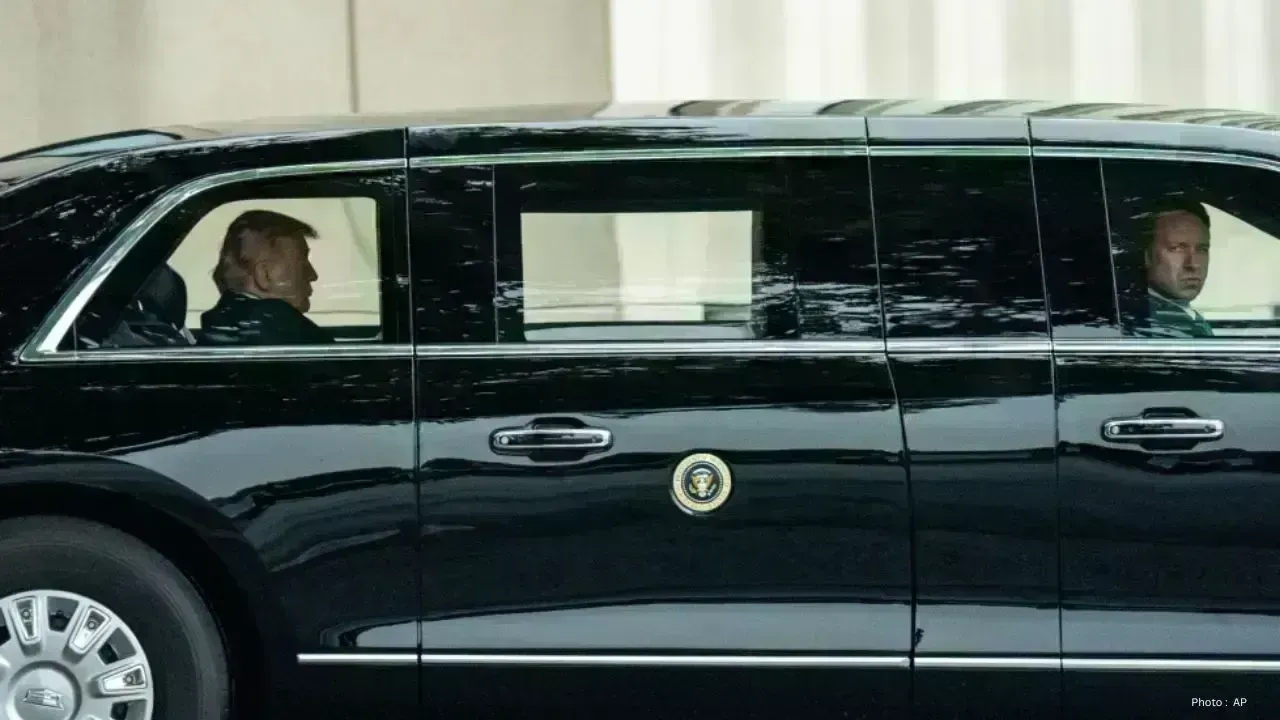
During a recent cabinet session, Donald Trump focused on the pressing Iran nuclear issue, shedding light on the diplomatic and security challenges that remain paramount in global discourse. The session spotlighted the sensitive nature of nuclear policy in international relations.
The conversations revolved around Iran’s nuclear undertakings and their potential implications for global relations. U.S. officials are intently observing trends linked to uranium enrichment and their ramifications on regional security and future dialogues.
For years, Iran’s nuclear ambitions have been a contentious subject in global diplomacy. Concerns have been raised about its nuclear progression and the heightened risks of instability should negotiations falter.
The cabinet meeting also delved into strategic discussions regarding diplomacy, sanctions, and the need for international collaboration. Experts underscored the critical nature of these discussions, given that decisions surrounding nuclear policy can profoundly impact military strategy, economic health, and diplomatic ties.
The longstanding tension between Washington and Tehran poses ongoing hurdles. Political rifts, economic sanctions, and military strains have continually complicated diplomatic advances.
International agreements concerning Iran’s nuclear initiatives have encountered numerous obstacles over the years. Previous accords aimed to curtail nuclear development in exchange for lifting some sanctions and providing economic incentives. Yet, compliance disputes and political shifts have led to uncertainty regarding these agreements.
Global observers assert that this issue holds significant weight, as any escalation could have far-reaching effects on both regional security and international commerce. Political instability can influence oil prices, transportation logistics, and investor assurance.
The economic sanctions imposed on Iran have dramatically affected trade dynamics and financial operations, impacting both its domestic landscape and international partnerships.
Political analysts emphasize the significance of cabinet-level discussions on nuclear matters, indicating the seriousness with which governments regard these issues. Coordinating efforts among defense, diplomatic, intelligence, and economic sectors is essential for matters of international security.
Nuclear discussions are intertwined with broader geopolitical tensions involving regional strife, military alliances, and strategic rivalries among global players. Events unfolding in adjacent territories continue to shape diplomatic strategies worldwide.
Experts advocate for open channels of dialogue and negotiation, viewing them as essential to mitigating risks and averting conflict, even amid contentious moments.
Public sentiment around responding to Iran’s nuclear initiatives is mixed across various countries. Some support enhanced diplomatic overtures and negotiated settlements, while others endorse heightened sanctions and stricter measures.
International bodies consistently advocate for diplomatic dialogue and transparent monitoring to prevent nuclear escalation. Calls for restraint and peaceful solutions resonate globally.
Security analysts caution that ongoing indecision surrounding nuclear policies can heighten pressures in both international marketplaces and regional stability. Investors and businesses closely track geopolitical fluctuations as they impact trade, energy pricing, and economic strategies.
This discourse underscores the ongoing relevance of foreign policy in U.S. political debates, as nuclear issues remain closely tied to national security and worldwide strategic interests.
Observers assert that forthcoming talks will necessitate patience, collaboration, and clear exchanges among all involved. Restoring trust after a history of political strife presents a substantial challenge for diplomatic progress.
Economic analysts point out that geopolitical friction fosters uncertainty for businesses and markets. Stable diplomatic relations are typically deemed crucial for nurturing long-term economic confidence and facilitating international trade.
The cabinet meeting illustrates that concerns over Iran’s nuclear developments are still pivotal in shaping international diplomacy and strategic initiatives. Global leaders remain committed to balancing security concerns with diplomatic engagement.


 English