Post by : Meena
Hassan
Former President Donald Trump has authorized Nvidia to export its cutting-edge H200 chip to China, indicating a noteworthy relaxation of U.S. export restrictions on Chinese tech.
Trump revealed that he had informed Chinese President Xi Jinping of this decision, which mandates that 25 percent of sales revenue goes to the U.S. government. The exports will be limited to “approved customers” under guidelines aimed at safeguarding national security. Similar measures are likely for other leading chipmakers like AMD and Intel.
“This initiative will bolster American jobs, enhance U.S. manufacturing, and benefit American taxpayers,” stated Trump.
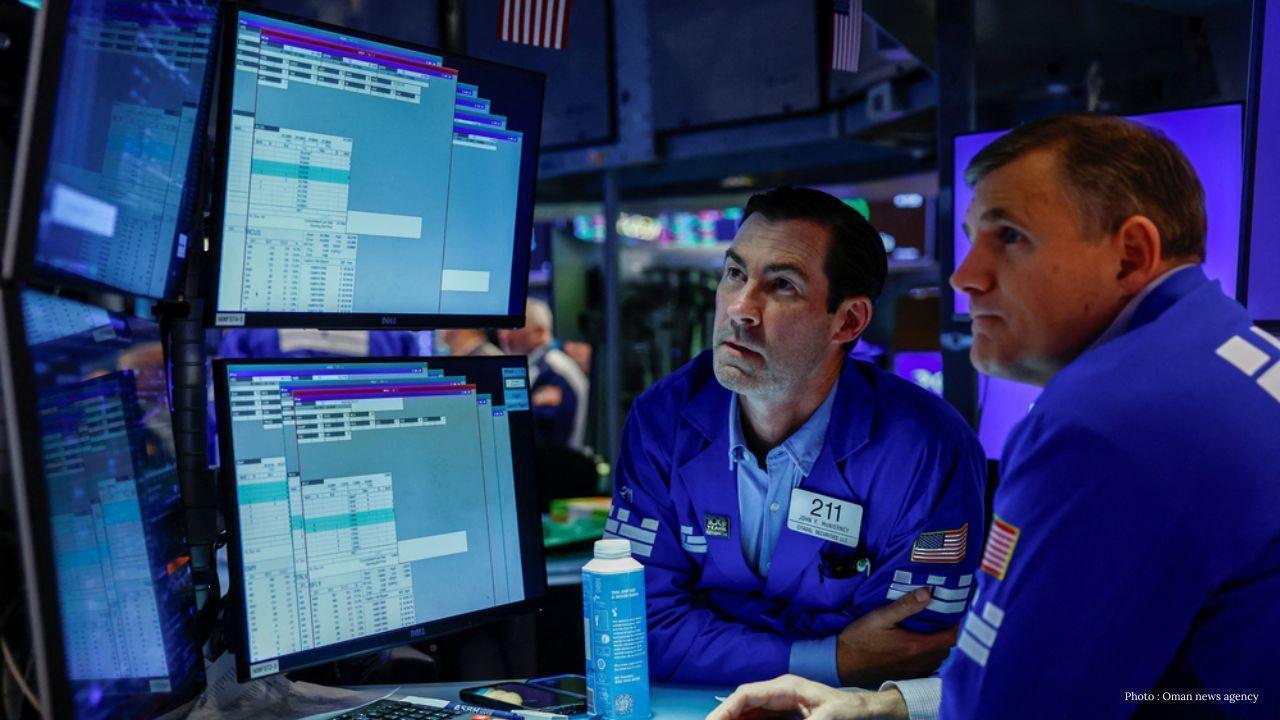
Nvidia, based in Santa Clara, California, welcomed the change as a “thoughtful balance” that will foster well-paying jobs and domestic production. Following this announcement, Nvidia's stock saw a rise of over 2 percent in after-hours trading.
This decision signals a significant shift from the previous administration, which had limited Nvidia and others to exporting downgraded versions of their technology to China. Trump criticized that policy, asserting it forced U.S. tech firms to invest in products that were largely unmarketable.
The H200 chip, introduced in 2023, is Nvidia’s most potent chip outside its latest Blackwell series and boasts nearly sixfold improvement over the prior H20 model. Previously, Nvidia had to pay 15 percent of H20 sales revenue to the U.S. government to meet Chinese export restrictions.
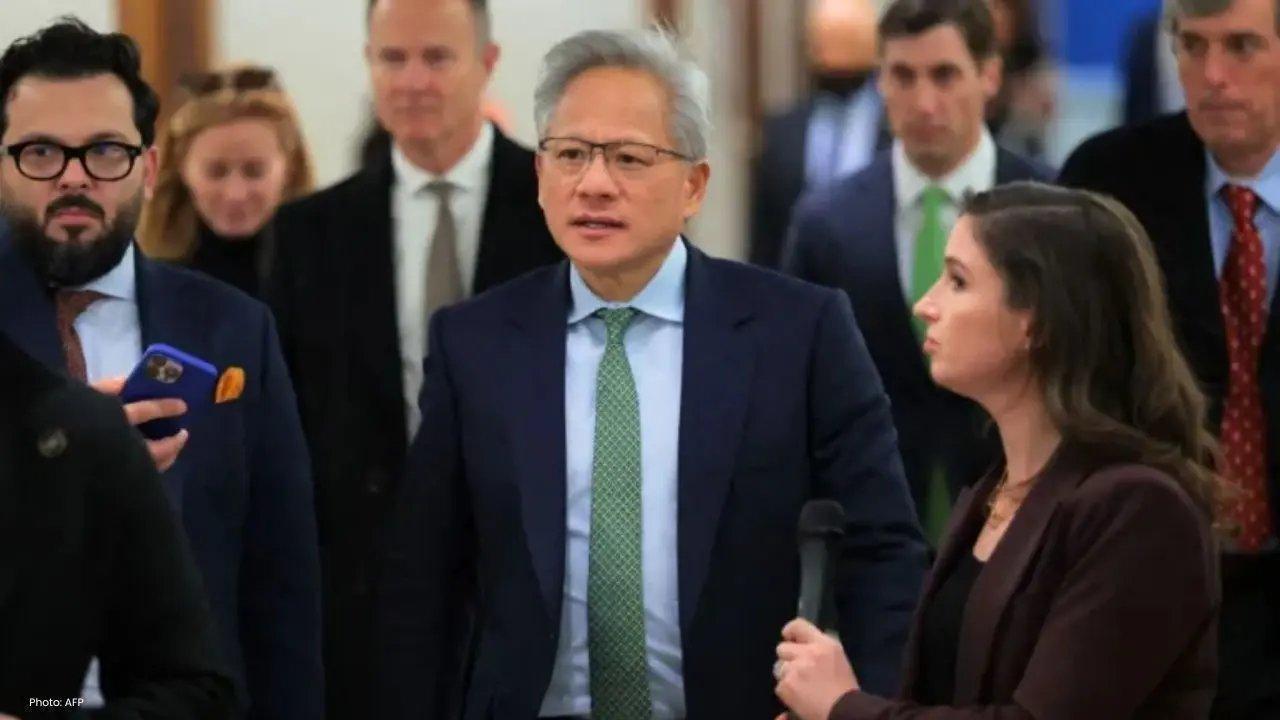
Experts indicate that Trump’s decision mirrors both market dynamics and the influence of Nvidia CEO Jensen Huang. The emphasis is shifting from obstructing China’s tech ascent to vying for market dominance and securing economic gains.
“This action signifies a transition from limiting China to enhancing American tech competitiveness while generating revenue,” noted Tilly Zhang, a technology analyst.
However, this announcement sparked considerable backlash from Democratic lawmakers. Senator Elizabeth Warren accused Trump of “compromising U.S. security” by permitting advanced AI chips to be sent to China, despite previous cautions against illicit shipments.
Experts in tech policy have cautioned that diluting export controls might enable Chinese AI firms to catch up to U.S. standards, reinforce global cloud computing infrastructures, and potentially undermine U.S. dominance in artificial intelligence.


 English