Post by : Saif
Al-Najjar
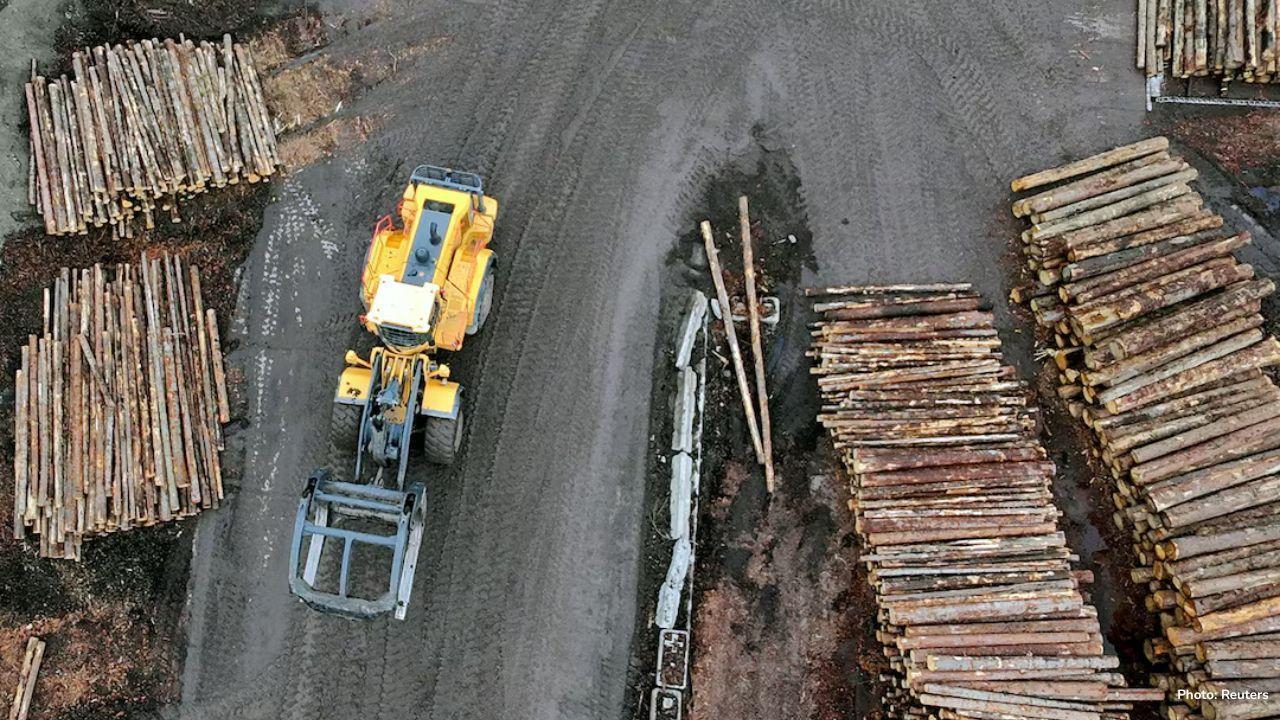
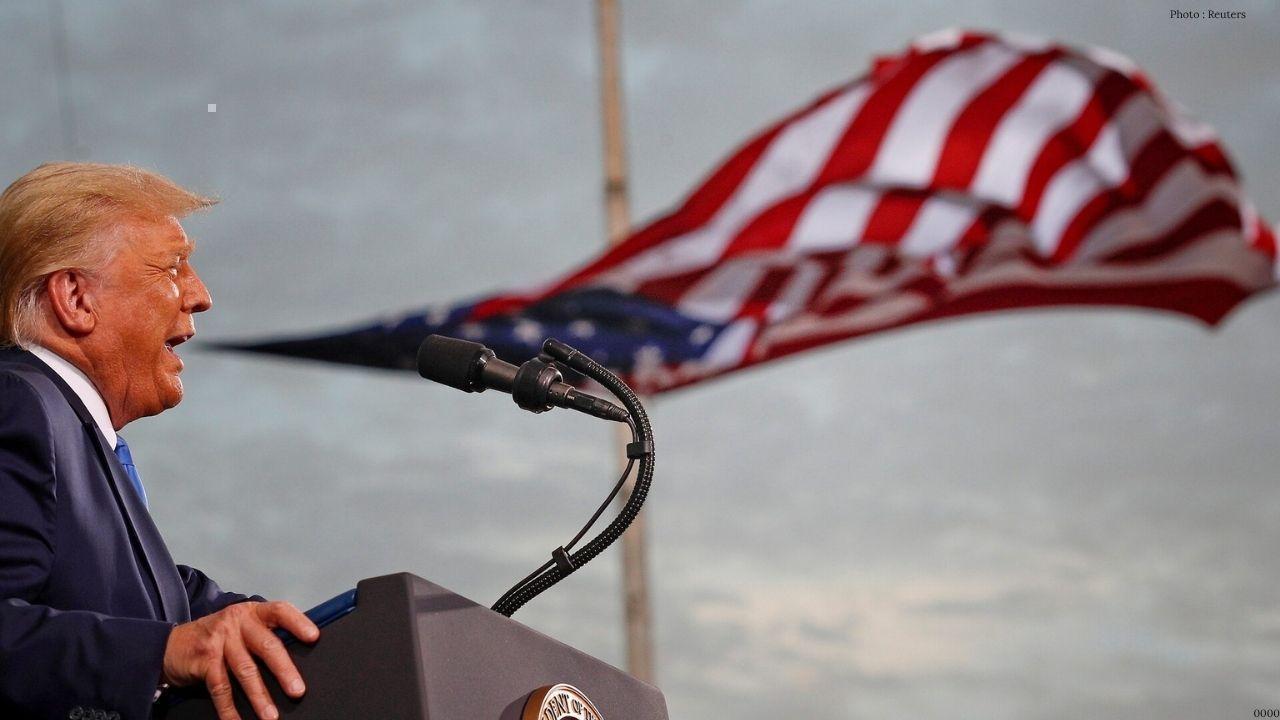
U.S. President Donald Trump has announced new tariffs on imported wood and furniture. The decision is part of his wider trade policy that adds extra taxes on goods from foreign countries. Trump says these steps are needed to protect America’s national security and its local industries.
What the New Tariffs Include
10% tariff on imported timber and lumber.
25% tariff on kitchen cabinets, bathroom vanities, and upholstered furniture.
These new tariffs will start on October 14, 2025.
Trump also said that some of these tariffs will rise again on January 1, 2026. At that time, the tariff on upholstered wooden products will go up to 30%, while the tariff on kitchen cabinets and vanities could double to 50% if countries do not reach a new trade agreement with the United States.
Why Trump Says Tariffs Are Needed
Trump signed a presidential order under Section 232 of the Trade Act of 1974. This law allows tariffs when imports are seen as a risk to U.S. national security.
In the order, Trump argued that foreign timber and wood products are:
Hurting American wood mills.
Forcing many mills to close or reduce production.
Weakening U.S. supply chains.
He also said wood is important for the U.S. military and defense. According to his statement, wood is used for building bases, housing soldiers, storing weapons, transporting ammunition, and even in some missile defense systems. Trump warned that if U.S. mills continue to weaken, America may not have enough wood to meet defense needs.
Impact on Global Trade
These tariffs are expected to cause pain for several countries:
Canada – The biggest supplier of softwood lumber to the U.S. Canadian companies already face about 35% extra duties due to a long trade fight over timber from Canadian public lands. Canada’s government has promised about C$1.2 billion ($870 million) in support for its lumber industry.
Vietnam and Mexico – These countries have become larger suppliers of furniture to the U.S. since Trump first placed tariffs on Chinese products in 2018. Now, they too will face higher costs when selling to the American market.
China – Chinese furniture has already been hit with tariffs as high as 55%. With new rules, cabinet and vanity tariffs could nearly double.
A Pattern of Tariff Use
Tariffs have been a key part of Trump’s second term. He has used them to put pressure on other countries and protect American industries. His administration has also pointed out that these tariffs bring more money into the U.S. government.
However, many businesses say tariffs raise costs, disrupt supply chains, and create uncertainty for both companies and consumers. Firms that rely on imported wood and furniture may face higher prices, and these costs are often passed on to American families.
Legal Challenges
Trump’s use of Section 232 has faced criticism. Some courts have already questioned whether he has the power to use tariffs so widely. The Supreme Court is now expected to rule on the broader legality of his “reciprocal” tariffs, which he uses to target countries that, in his view, treat the U.S. unfairly.
Canada’s Response
Canada is particularly affected because of its role as the main supplier of lumber. The Canadian government hopes to negotiate lower tariffs through an update to the 2020 U.S.-Mexico-Canada Agreement (USMCA). In the meantime, Canada is offering direct financial help to its producers to keep the industry alive.
What Happens Next?
From October 14, U.S. companies that import lumber, cabinets, or furniture will have to pay more.
From January 1, tariffs will rise even higher if no trade deals are reached.
The effects will be felt by furniture makers, home builders, and consumers in the U.S., as prices are likely to rise.
Other countries, especially Canada, Mexico, and Vietnam, will need to decide whether to negotiate with the U.S. or find other markets.
Editorial View
These new tariffs show how Trump is reshaping global trade once again. His focus on national security is unusual for industries like lumber and furniture, but it reflects his belief that strong local production is vital.
For U.S. consumers, the move could mean higher prices for cabinets, furniture, and even housing materials. For Canada and other suppliers, it is another setback in a trade relationship already filled with tension.
The coming months will be important. If countries agree to Trump’s terms, tariffs might not rise further in January. But if no deals are made, global trade disputes could deepen, creating more challenges for industries and families on both sides of the border.


 English