Post by : Saif
Al-Najjar
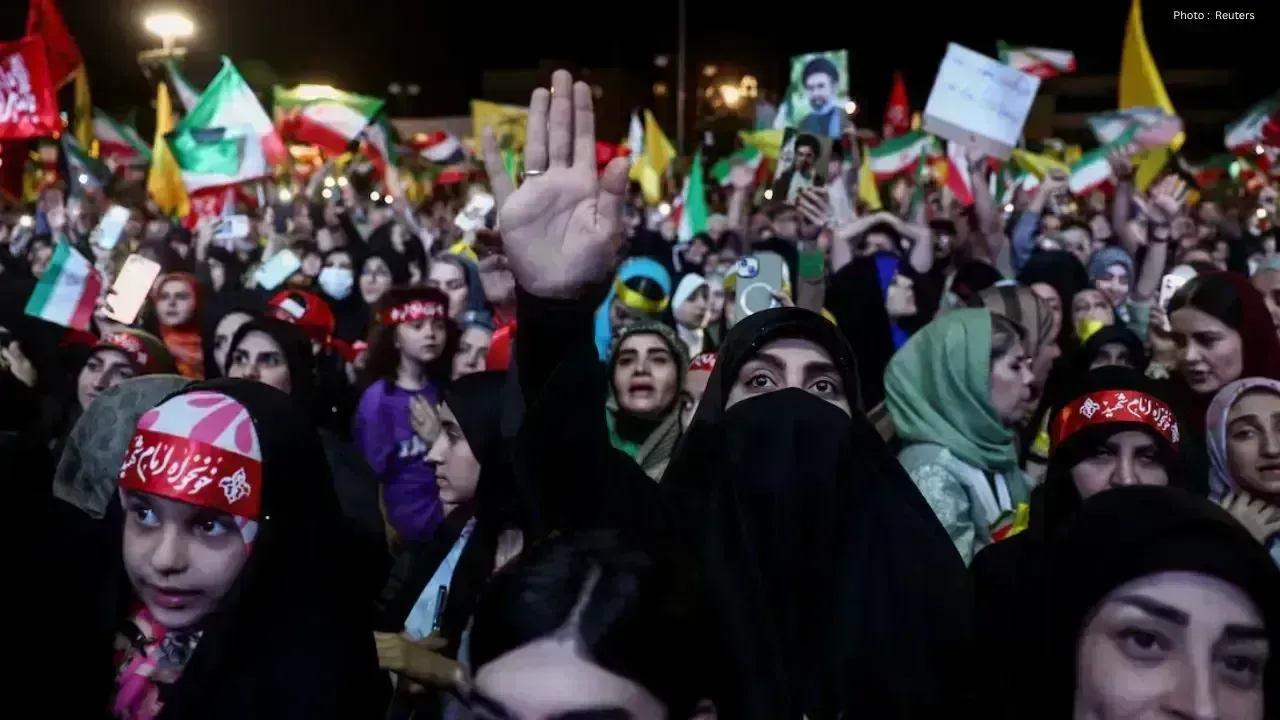
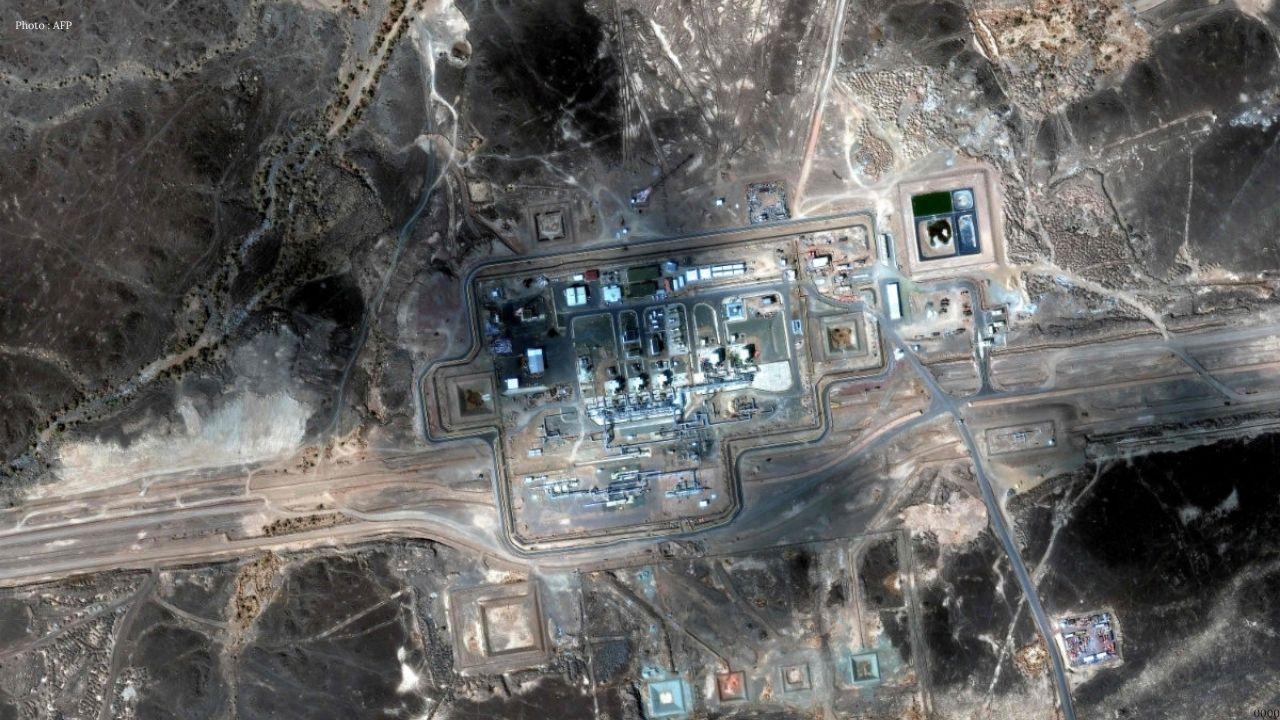
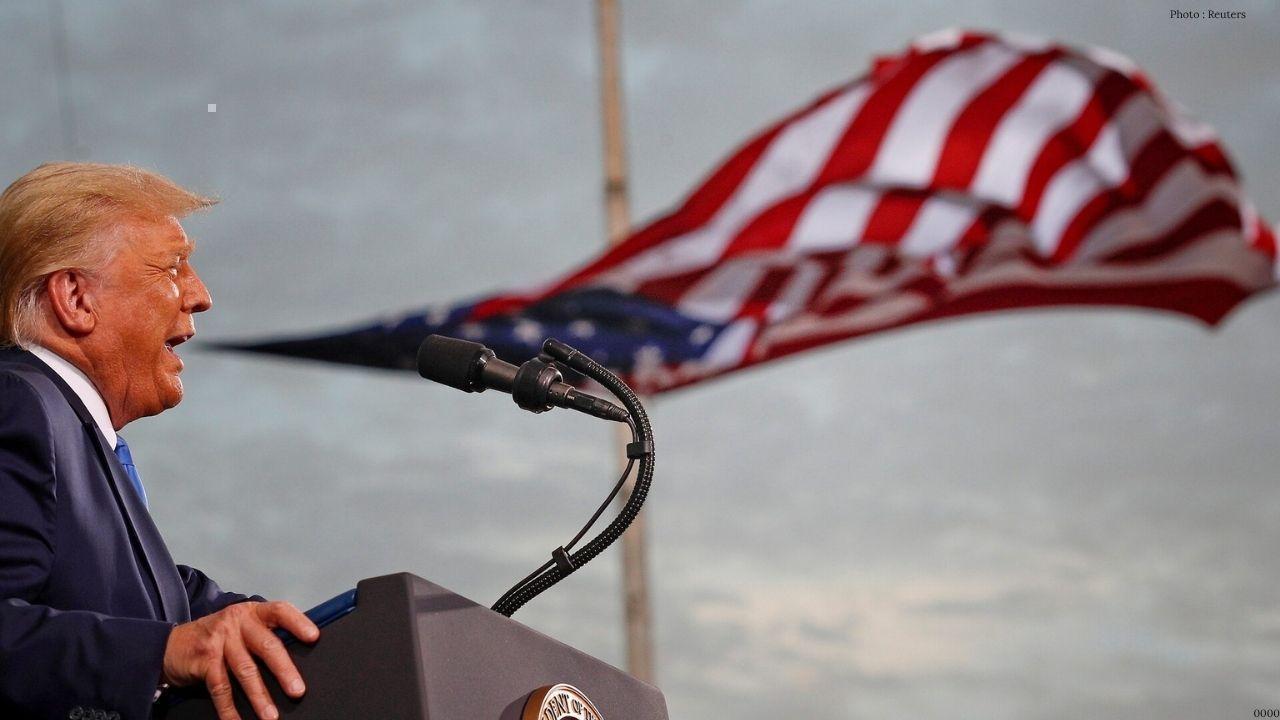
The Middle East finds itself once more in the spotlight as military exchanges between Israel and Iran escalate. Air strikes, missile attacks, and rising security worries have heightened fears of a broader regional war. Unfazed, U.S. President Donald Trump has voiced his belief in the continuity of diplomatic initiatives with Tehran, suggesting these can ultimately yield positive results.
Trump made these remarks following a surge in hostilities that has rattled the region. Although many experts predict that such violence could hinder diplomatic talks, Trump contended that avenues for discussions remain open, and both nations have incentives to seek a path forward. His perspective underscores the U.S. stance that diplomacy must persist even amid military tensions.
This recent strife underscores a precarious balance between security imperatives and diplomatic endeavors. Israel has consistently asserted its commitment to neutralizing threats to its national security. In contrast, Iranian officials characterize their actions as defensive responses to external military aggressions. As both nations issue stern warnings and enact military responses, the international community’s efforts to avert a larger war become increasingly crucial.
The United States is striving to maintain open lines of communication, promoting restraint among regional players. Reports indicate that the U.S. has advised all involved parties to exercise caution in order to facilitate ongoing negotiations. Although maintaining dialogue in turbulent times is complex, diplomats emphasize its importance in managing risks and curbing further escalations.
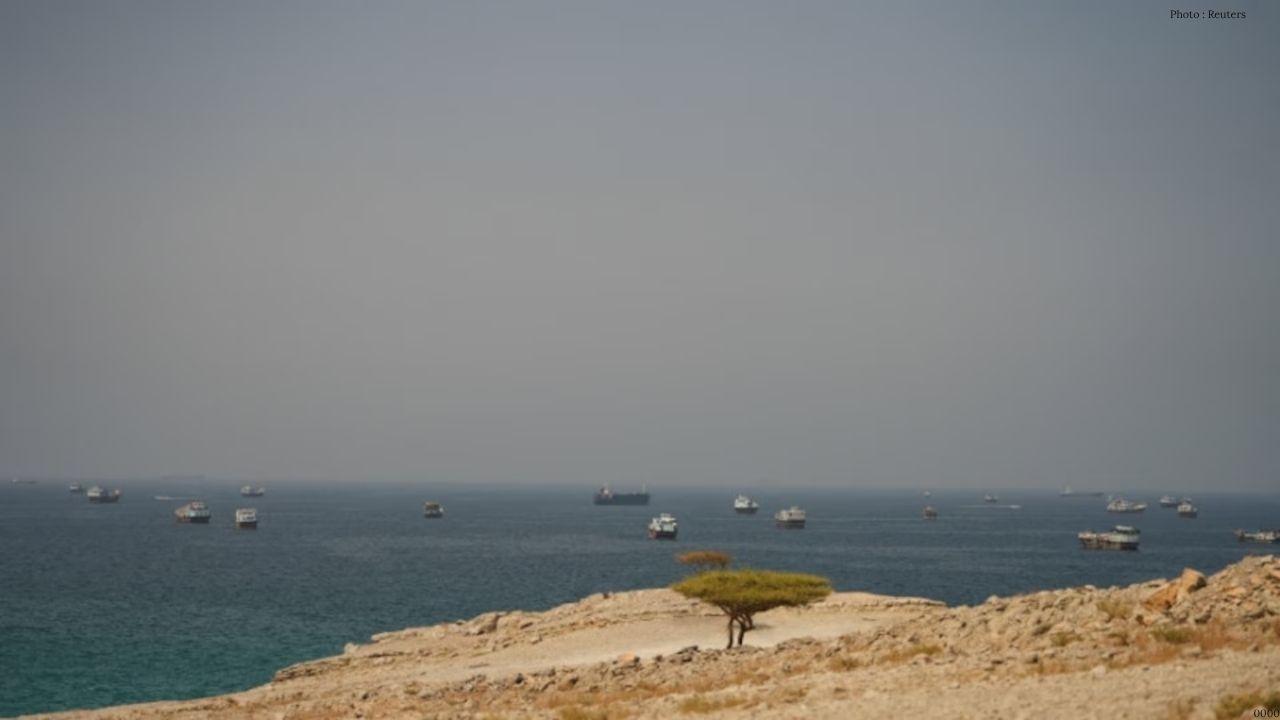
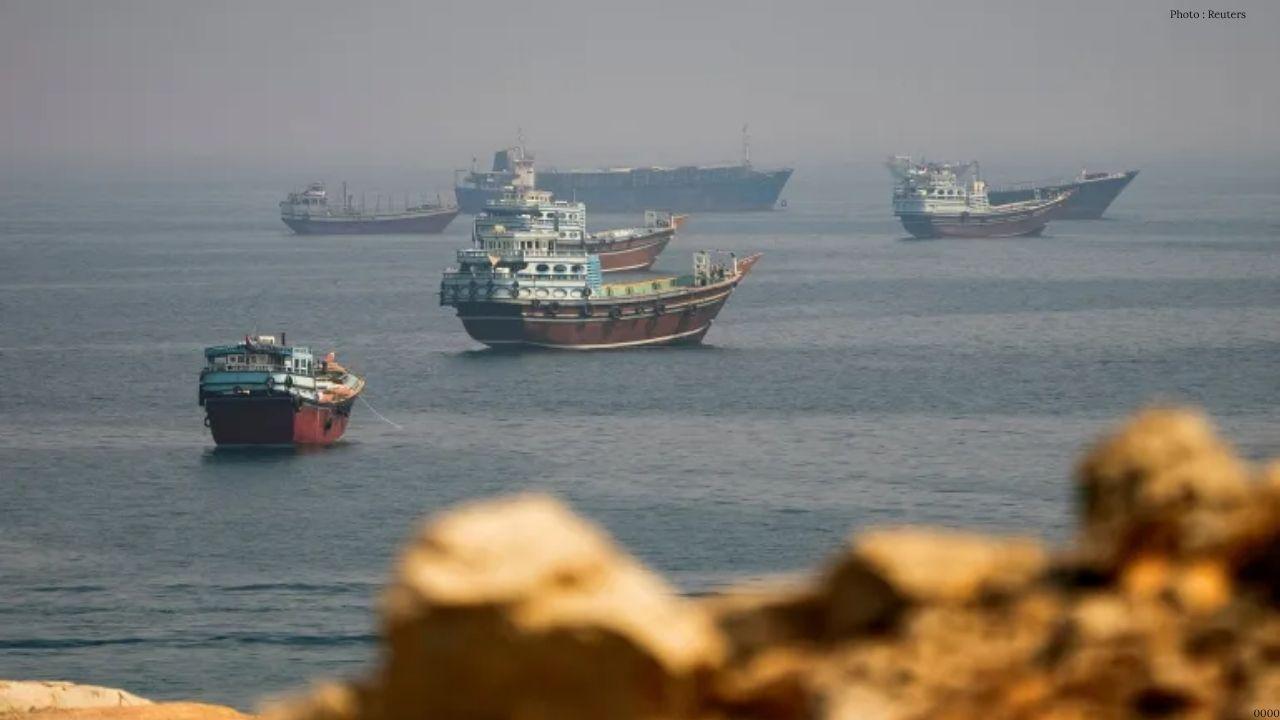
A significant worry revolves around the implications of the conflict for global energy markets. The Middle East's pivotal role in the world's oil supply means that instability can swiftly impact pricing. Following the recent military actions, energy markets reacted cautiously as investors stayed alert to the situation. Rising fuel prices could severely impact transportation and household budgets internationally, highlighting how vital this issue is beyond regional confines.
Current tensions illustrate how intertwined regional conflicts are. Incidents involving Iran, Israel, Lebanon, and other nations frequently affect one another. A military encounter in one area can have repercussions in others, complicating diplomatic resolutions. Hence, negotiators must navigate multiple interconnected issues simultaneously.
Trust remains a significant hurdle in reaching an agreement. Years of disputes, sanctions, military actions, and political strife have fostered entrenched divisions. Rebuilding trust among adversaries demands time and consistent dialogue. Future agreements are likely to require substantial compromises and firm political resolve from all participants.
Globally, multiple governments back initiatives aimed at reducing tensions, as a stabilized Middle East is crucial for international security and economic prosperity. A successful diplomatic outcome may lower the chance of conflicts, enhance regional cooperation, and create avenues for larger discussions on safety and economic advancement.
Nevertheless, each new wave of attacks injects uncertainty into the equation. Military engagements can swiftly alter political landscapes, complicating negotiations. Leaders involved must weigh domestic pressures against the need for enduring peace.
The forthcoming weeks could be pivotal. Continued dialogue among key players might alleviate tensions, fostering an environment ripe for substantial progress. Should diplomatic efforts succeed, they may pave the way for greater stability in a historically conflict-ridden region. Conversely, failed talks could heighten the likelihood of renewed confrontations, with additional political and economic ramifications.
Achieving peace remains challenging, yet the persistence of negotiations signals a commitment to diplomacy as the preferred route ahead. The pressing question is whether political leaders can convert this moment of heightened conflict into a transformative opportunity for lasting stability in the region.


 English