Post by : Saif
Al-Najjar
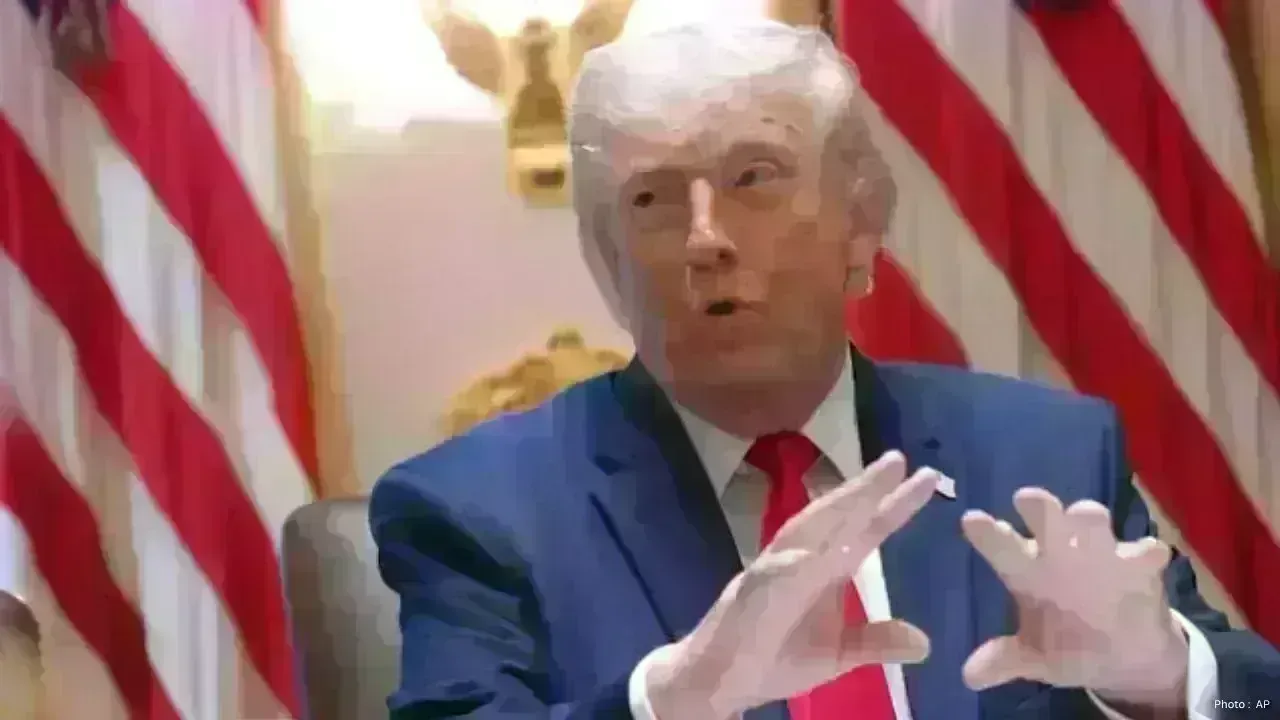
The latest diplomatic efforts between the United States and Iran are gaining attention as President Donald Trump shares his optimism about reaching an agreement. His statements arise amidst ongoing talks regarding Tehran's nuclear operations and broader security in the region.
Trump asserted that Iranian leadership is keen to establish common ground, encouraging those critical of the process to exercise patience. His viewpoint reflects a hopeful outlook on negotiations, despite the enduring uncertainty surrounding U.S.-Iran relations.
The implications of a potential agreement are far-reaching, affecting not just the two nations involved but the international community at large. The relationship has a long history, filled with political conflicts, economic sanctions, and ongoing debates about nuclear programs which draw global scrutiny due to their potential impact on security and stability.
Conversations have primarily centered on Iran's nuclear ambitions, with Western authorities expressing concerns over uranium enrichment activities. Conversely, Iranian representatives assert that their nuclear initiatives serve peaceful objectives like energy generation and scientific inquiry.
While public details about the negotiations remain sparse, Trump's remarks hint at possible behind-the-scenes progress. Lengthy diplomatic discussions often entail complex technicalities and various negotiation phases, making political leaders' public statements critical indicators of potential advancements or challenges.
The ramifications of such talks are felt beyond just Iran and the U.S. Other Middle Eastern nations closely observe these developments, as a potential agreement might reshape regional security strategies. For years, neighboring governments have identified the nuclear issue as a pivotal strategic challenge.
Economic components significantly fuel these discussions. Years of international sanctions have constrained Iran's economy, hampering trade prospects and limiting access to global markets. A favorable outcome from diplomacy could usher in opportunities for economic revitalization, enhanced investments, and stronger international commercial relations.
Additionally, energy markets are integrally tied to these negotiations. Iran holds substantial reserves of oil and natural gas, meaning shifts in sanctions or trade policies could have considerable effects on global energy supply chains and pricing.
Proponents of a diplomatic approach argue that dialogue remains the most effective mechanism to overcome historical disputes. They contend that negotiations can facilitate tension reduction, mitigate misunderstandings, and foster collaborative opportunities. Agreements that prove successful often contribute to building mutual trust between countries previously entrenched in political strife.
On the flip side, skepticism persists among critics who question whether a prospective agreement can adequately address concerns related to nuclear proliferation, regional dominance, and long-term security frameworks. Such apprehensions continue to shape ongoing debates within governmental and international contexts.
Domestic political dynamics in both countries may also affect the negotiation timeline. Significant diplomatic resolutions typically necessitate robust local backing and careful alignment among various governmental bodies, compelling leaders to navigate international aspirations while addressing the expectations of citizens and legislative bodies.
The global community has consistently advocated for peaceful negotiations surrounding nuclear issues, with many believing that diplomacy represents the optimal approach to curtailing risks and promoting stability. Emphasis from international organizations on dialogue, transparency, and adherence to agreements is also pronounced.
This situation underscores the complexities inherent in resolving geopolitical conflicts. Effective negotiations demand patience, compromise, and ongoing dialogue among parties with divergent interests. Although progress may be gradual, diplomatic avenues are generally favored over confrontational paths.
Trump's hopeful remarks infuse new energy into the discussions while renewing interest in the potential for a forthcoming agreement. The ultimate outcome remains uncertain, but his statements indicate a belief in the continued viability of dialogue.
As negotiations unfold, decision-makers, investors, and global observers will monitor these developments meticulously. The results could have lasting implications, not only for U.S.-Iran ties but also for regional security and economic conditions across the Middle East.


 English